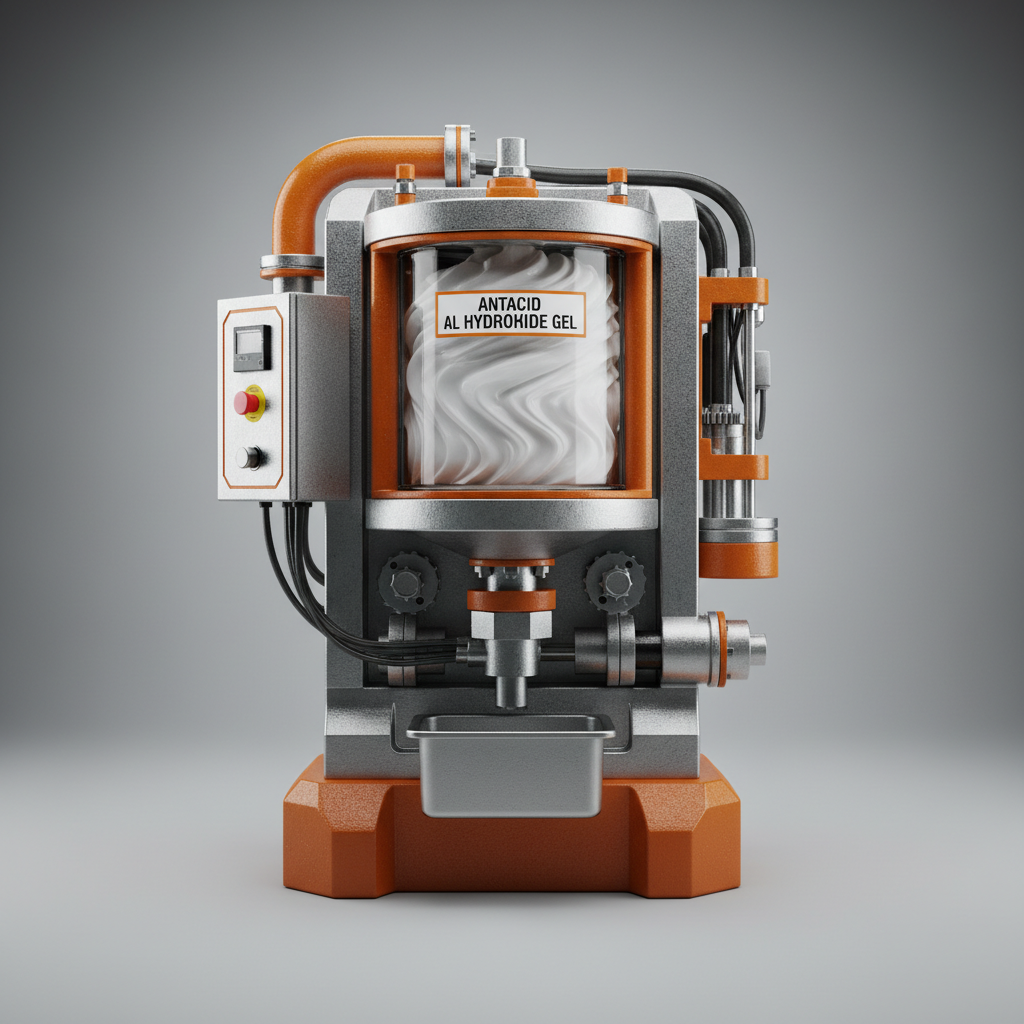
Antacid aluminum hydroxide gel represents a cornerstone in the management of acid-related digestive disorders. Its widespread availability and effectiveness make it a globally significant pharmaceutical product. Understanding its properties, applications, and evolving formulations is crucial for healthcare professionals and individuals alike. This gel offers a readily accessible and generally safe method for neutralizing stomach acid, providing relief from heartburn, indigestion, and other discomforts associated with excess acidity.
The global demand for antacids, including aluminum hydroxide gel formulations, is consistently high, driven by factors such as dietary habits, lifestyle choices, and increasing prevalence of gastroesophageal reflux disease (GERD). Reports from organizations like the World Health Organization (WHO) highlight the significant burden of digestive diseases worldwide, emphasizing the need for effective and affordable treatment options. This accessibility is critical, particularly in regions with limited access to advanced medical care.
The development and refinement of antacid aluminum hydroxide gel exemplify the ongoing commitment to improving patient comfort and quality of life. Its simple mechanism of action, combined with its relatively low cost, contributes to its enduring relevance in the pharmaceutical landscape. Continued research focuses on optimizing formulations for enhanced efficacy and minimizing potential side effects.
Introduction to antacid aluminum hydroxide gel
Antacid aluminum hydroxide gel is a widely used over-the-counter medication designed to neutralize stomach acid. It functions by reacting with hydrochloric acid in the stomach, effectively raising the pH level and providing symptomatic relief from conditions like heartburn and acid indigestion. Its relatively rapid onset of action makes it a popular choice for quick relief.
The formulation of this gel typically includes aluminum hydroxide, water, and other inactive ingredients to enhance its texture and stability. The concentration of aluminum hydroxide is carefully controlled to ensure both efficacy and safety. Different brands may vary slightly in their precise composition, but the core principle of acid neutralization remains consistent.
Defining antacid aluminum hydroxide gel
At its core, antacid aluminum hydroxide gel is an inorganic compound acting as a buffering agent within the gastrointestinal tract. The aluminum hydroxide reacts with excess hydrochloric acid, forming aluminum chloride and water. This chemical reaction neutralizes the acidity, reducing the burning sensation associated with acid reflux and indigestion. It’s a crucial component in treating symptoms, not necessarily the underlying cause, of these conditions.
Its relevance to modern industry extends beyond simple pharmaceutical production. The principles of gel formulation and controlled chemical reactions employed in its creation have applications in various fields, including materials science and chemical engineering. The production process requires stringent quality control and adherence to pharmaceutical standards, contributing to the overall robustness of the industry.
The humanitarian need for readily available and affordable treatments for digestive ailments, especially in regions with limited resources, underscores the importance of antacid aluminum hydroxide gel. Its cost-effectiveness and ease of administration make it a valuable tool for public health initiatives.
Key Characteristics of the Gel
One key characteristic of antacid aluminum hydroxide gel is its rapid onset of action. Typically, relief from symptoms can be experienced within minutes of ingestion. This makes it a preferred choice for immediate relief of heartburn and indigestion. However, the duration of relief is generally shorter compared to some other types of antacids.
The binding capacity of aluminum hydroxide is another important factor. It has the ability to neutralize a significant amount of stomach acid, providing substantial relief. However, excessive use can lead to constipation, as aluminum hydroxide can slow down bowel movements. This is a common side effect that patients should be aware of.
The formulation’s viscosity, or thickness, contributes to its protective effect. The gel coats the lining of the esophagus and stomach, providing a physical barrier against further acid irritation. This coating can also help to soothe inflamed tissues. Maintaining the optimal viscosity is crucial for both efficacy and palatability.
Practical Applications and Uses
The primary application of antacid aluminum hydroxide gel is the relief of heartburn, acid indigestion, and sour stomach. These conditions often arise from dietary factors, stress, or underlying gastrointestinal issues. The gel provides a temporary solution by neutralizing excess stomach acid, reducing discomfort and allowing the esophagus and stomach lining to heal.
Beyond simple indigestion, it’s also used in conjunction with other medications to protect the stomach lining from irritation. For example, individuals taking nonsteroidal anti-inflammatory drugs (NSAIDs) may use it to prevent acid-related ulcers. The gel helps to mitigate the corrosive effects of these medications on the gastric mucosa.
Efficacy Ratings of Different antacid aluminum hydroxide gel Formulations
Global Usage & Scenarios
In developed countries, antacid aluminum hydroxide gel is readily available in pharmacies and supermarkets, primarily used for self-treatment of occasional heartburn. However, in regions with limited access to healthcare, it’s often a crucial component of basic medical kits, providing relief for more chronic digestive issues.
During disaster relief operations, these gels are frequently included in emergency medical supplies. Rapidly neutralizing stomach acid can be critical for individuals experiencing stress-induced digestive problems or those with compromised diets. Similarly, in remote industrial zones where dietary conditions may be less than ideal, it serves as a preventative measure against acid-related discomfort.
Advantages & Long-Term Impact
A key advantage of antacid aluminum hydroxide gel is its affordability. Compared to many prescription medications for acid reflux, it represents a cost-effective solution for managing symptoms. This accessibility is particularly important for individuals with limited financial resources.
From a societal perspective, reducing the burden of digestive discomfort contributes to increased productivity and improved quality of life. Individuals experiencing fewer symptoms are better able to engage in daily activities, leading to economic and social benefits. The relative safety profile, when used as directed, further enhances its positive impact.
The consistent demand for this gel fosters innovation in formulation and delivery methods. Ongoing research aims to minimize side effects and enhance efficacy, ensuring that it remains a valuable therapeutic option for years to come. Trust in the product’s reliability is built on decades of safe and effective use.
Future Trends & Development
Future developments may focus on combining antacid aluminum hydroxide gel with other ingredients, such as alginates, to create longer-lasting formulations. Alginates form a protective raft on top of the stomach contents, further preventing acid reflux. These combination therapies offer enhanced symptom control.
The integration of digital health technologies, such as smartphone apps, could also play a role. These apps could provide personalized recommendations for antacid use, track symptom patterns, and offer lifestyle advice to prevent acid reflux. Digitalization can empower patients to take a more proactive role in their healthcare.
Sustainability is becoming increasingly important in the pharmaceutical industry. Developing more environmentally friendly packaging and production processes for aluminum hydroxide gel formulations is a key area of focus. This aligns with the growing global emphasis on reducing the environmental impact of healthcare.
FAQS
The most common side effect associated with antacid aluminum hydroxide gel is constipation. This occurs because aluminum can bind to phosphates in the gut, reducing bowel movements. Long-term or excessive use may also lead to aluminum accumulation in the body. Other less frequent side effects include nausea and vomiting. If any of these symptoms persist or worsen, it's essential to consult with a healthcare professional.
Antacid aluminum hydroxide gel can interact with various medications, reducing their absorption. It's particularly important to avoid taking it concurrently with tetracycline antibiotics, digoxin, and certain phosphate binders. Always allow at least two hours between taking antacids and these medications. Consulting your doctor or pharmacist is crucial to ensure there are no contraindications with your specific medication regimen.
Antacid aluminum hydroxide gel should be stored at room temperature, away from direct sunlight, heat, and moisture. Keep the container tightly closed when not in use. It’s important to check the expiration date before using the product, as its effectiveness may decrease over time. Properly storing the gel ensures its stability and maintains its therapeutic properties.
While antacid aluminum hydroxide gel is generally safe for short-term relief, long-term use is not recommended without medical supervision. Prolonged use can lead to aluminum accumulation, electrolyte imbalances, and potentially mask underlying medical conditions. If you find yourself needing to use antacids regularly, it's crucial to consult a healthcare professional to determine the underlying cause of your symptoms and explore alternative treatment options.
Aluminum hydroxide is a type of antacid that works by neutralizing stomach acid. Other antacids, like magnesium hydroxide and calcium carbonate, have different mechanisms of action. Magnesium hydroxide can cause diarrhea, while calcium carbonate may lead to constipation. Some antacids combine aluminum and magnesium hydroxide to balance out these side effects. The choice of antacid depends on individual needs and tolerance.
Using antacid aluminum hydroxide gel during pregnancy should be done under the guidance of a healthcare professional. While generally considered safe in limited amounts, it’s essential to discuss potential risks and benefits with your doctor. Excessive aluminum intake could potentially affect fetal development. Always prioritize consulting with a medical provider before taking any medication during pregnancy.
Conclusion
In conclusion, antacid aluminum hydroxide gel remains a vital and readily accessible solution for managing acid-related digestive discomfort. Its simplicity, affordability, and rapid onset of action continue to make it a cornerstone of over-the-counter treatment options globally. Understanding its mechanism, potential side effects, and appropriate usage is crucial for both healthcare professionals and individuals seeking relief.
Looking ahead, innovation in formulation and delivery methods, coupled with the integration of digital health technologies, will likely enhance the efficacy and convenience of this classic remedy. Continued research focused on sustainability and minimizing environmental impact will further solidify its long-term viability. For more information and to explore our range of antacid aluminum hydroxide gel products, please visit our website.