Antacid with magnesium hydroxide and aluminum hydroxide formulations represent a cornerstone in the management of acid-related digestive disorders. Globally, the prevalence of conditions like heartburn, acid reflux, and peptic ulcers necessitates readily available and effective over-the-counter treatments. These antacids offer a rapid, yet temporary, relief mechanism, making them a vital component of self-care for millions worldwide. Understanding their mechanism, composition, and appropriate use is crucial for both patients and healthcare professionals.
The demand for antacid with magnesium hydroxide and aluminum hydroxide is driven by lifestyle factors, dietary habits, and increasing stress levels, all contributing to heightened acid production. Market research indicates a consistently high demand, particularly in developed nations with a higher prevalence of fast-food consumption and sedentary lifestyles. This demand also extends to developing countries where access to specialized gastrointestinal care may be limited, making affordable and accessible antacids essential.
Beyond symptomatic relief, antacid with magnesium hydroxide and aluminum hydroxide provide a critical bridge for individuals awaiting diagnosis or initiating long-term treatment plans. They aren’t simply a 'quick fix,' but an important tool to manage discomfort and prevent complications while a patient's condition is being evaluated. Their widespread availability and generally benign safety profile contribute to their continued relevance in modern healthcare.
Introduction to antacid with magnesium hydroxide and aluminum hydroxide
Antacid with magnesium hydroxide and aluminum hydroxide represent a widely used class of medications designed to neutralize stomach acid. The combination of these two ingredients allows for a balanced approach, mitigating the individual side effects often associated with each component when used alone. Magnesium hydroxide acts as a saline laxative, while aluminum hydroxide can cause constipation; combining them provides a synergistic effect that minimizes these drawbacks.
The efficacy of antacid with magnesium hydroxide and aluminum hydroxide relies on their ability to directly counteract hydrochloric acid in the stomach, raising the pH level and providing relief from symptoms such as heartburn, indigestion, and sour stomach. This immediate action distinguishes them from other acid-reducing medications that work through different mechanisms and typically take longer to produce noticeable effects.
Defining antacid with magnesium hydroxide and aluminum hydroxide
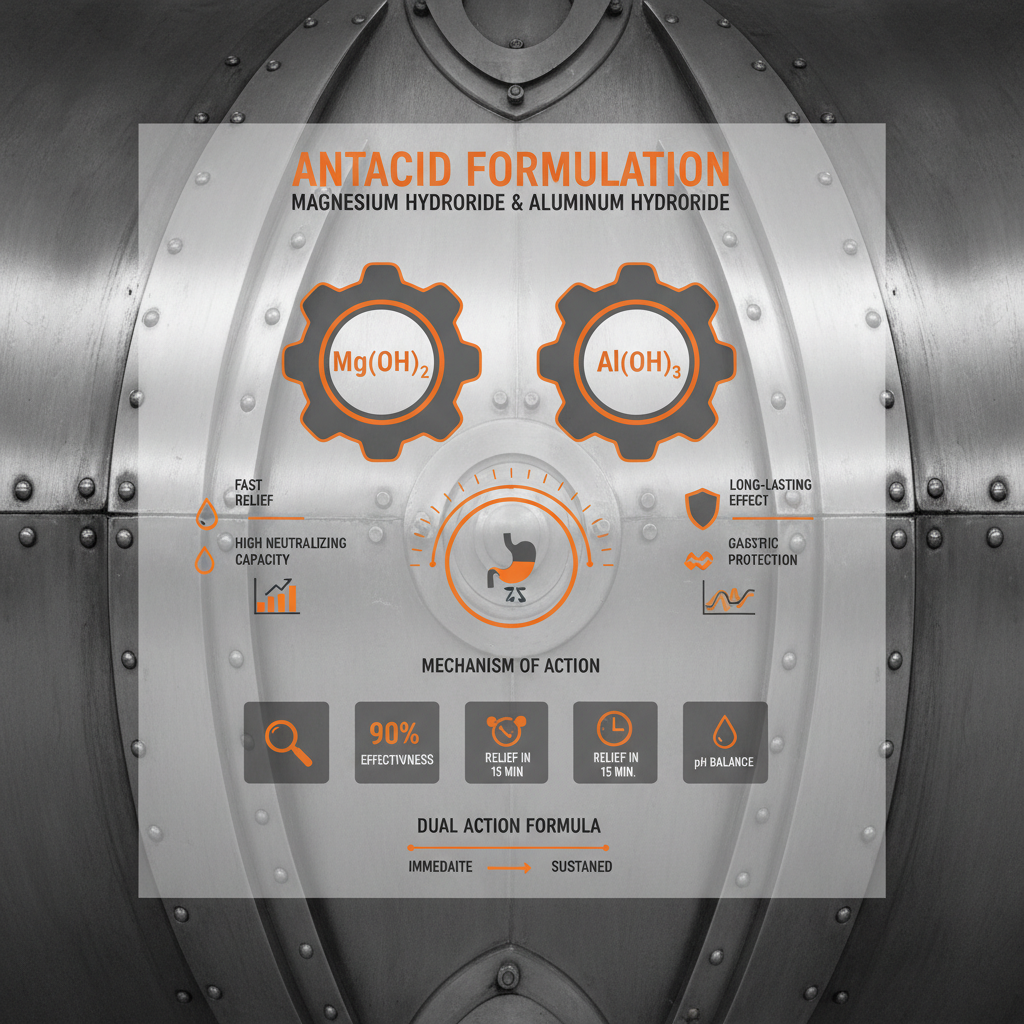
Antacid with magnesium hydroxide and aluminum hydroxide is a pharmaceutical preparation used to alleviate heartburn, indigestion, and stomach upset by neutralizing excess stomach acid. Magnesium hydroxide is a base that reacts with hydrochloric acid to form magnesium chloride and water, raising the stomach's pH. Aluminum hydroxide similarly reacts with hydrochloric acid to form aluminum chloride and water, providing an additional neutralizing effect.
This combination is strategically formulated because magnesium hydroxide can have a laxative effect, while aluminum hydroxide can cause constipation. By combining both, these effects tend to balance each other out, minimizing undesirable gastrointestinal side effects. The dosage and concentration of each component are carefully controlled to ensure optimal efficacy and safety.
This type of antacid directly addresses symptoms rather than treating the underlying cause of acid reflux or other digestive issues. It’s a symptomatic treatment, meaning it’s most effective for occasional discomfort, rather than long-term management of chronic conditions. Consultation with a healthcare professional is recommended for persistent or severe symptoms.
Core Components of Effective Formulations
The effectiveness of antacid with magnesium hydroxide and aluminum hydroxide formulations hinges on several key factors. First, the particle size of the magnesium and aluminum hydroxides impacts their dissolution rate and, consequently, their neutralizing capacity. Smaller particle sizes generally lead to faster absorption and more efficient acid neutralization. Secondly, the ratio of magnesium hydroxide to aluminum hydroxide is critical to minimize gastrointestinal side effects, aiming for a balanced effect.
Formulation additives also play a significant role. These can include flavoring agents to improve palatability, binding agents to maintain tablet integrity, and coating materials to protect the active ingredients from degradation. The choice of these excipients directly influences the product's stability, shelf life, and overall user experience. The bioavailability of the core components is a critical factor for efficacy.
Finally, the dosage form – whether it’s a tablet, liquid, or chewable – influences the speed of action and ease of administration. Liquids generally provide faster relief than tablets, as they don’t require dissolution. Chewable tablets offer a convenient alternative, while standard tablets provide a longer-lasting effect.
Practical Applications in Healthcare
Antacid with magnesium hydroxide and aluminum hydroxide are most commonly used for the short-term relief of mild to moderate heartburn, acid indigestion, and sour stomach. They are often the first line of defense for individuals experiencing occasional discomfort, especially after consuming trigger foods or during periods of stress. Their over-the-counter availability makes them a readily accessible option for self-treatment.
In clinical settings, antacid with magnesium hydroxide and aluminum hydroxide are sometimes used as an adjunct therapy alongside other medications for more complex gastrointestinal conditions. For example, they may be prescribed alongside H2 receptor antagonists or proton pump inhibitors to provide immediate symptom relief while the latter medications work to reduce acid production over a longer period.
Comparative Efficacy of Different antacid with magnesium hydroxide and aluminum hydroxide Formulations
Global Reach and Regional Use Cases
The demand for antacid with magnesium hydroxide and aluminum hydroxide transcends geographical boundaries. In North America and Europe, readily available over-the-counter options contribute to a large consumer base. Factors like high-fat diets and stressful lifestyles drive consistent demand. In Asia, particularly in rapidly developing economies, changing dietary habits and increased urbanization are fueling a growing need for accessible digestive remedies.
In regions with limited access to advanced healthcare, antacid with magnesium hydroxide and aluminum hydroxide serve as an essential first-line treatment for acid-related discomfort. For instance, in remote rural areas or disaster-stricken zones, their affordability and ease of use make them invaluable for managing symptoms. They are also common in emergency preparedness kits globally, providing a readily available solution for digestive upset during crises.
Long-Term Benefits and Value Proposition
The primary benefit of antacid with magnesium hydroxide and aluminum hydroxide is the rapid and effective relief of heartburn, acid indigestion, and sour stomach. This immediate comfort can significantly improve quality of life, allowing individuals to continue their daily activities without disruption. Their affordability makes them accessible to a broad range of consumers, removing a financial barrier to treatment.
From a public health perspective, widespread access to antacid with magnesium hydroxide and aluminum hydroxide can reduce the burden on healthcare systems by decreasing the need for consultations for mild to moderate acid-related symptoms. They represent a safe and reliable self-care option, empowering individuals to manage their own health.
The convenience of over-the-counter availability also contributes to their value, eliminating the need for a prescription and allowing for immediate treatment when symptoms arise. This contributes to a sense of control and self-sufficiency for individuals experiencing digestive discomfort.
Future Trends and Innovation
Future innovations in antacid with magnesium hydroxide and aluminum hydroxide may focus on optimizing formulations for faster action and reduced side effects. This could involve exploring novel delivery systems, such as nanoparticles or microencapsulation, to enhance bioavailability and targeted acid neutralization.
Research is also ongoing into combining antacid with magnesium hydroxide and aluminum hydroxide with other ingredients, such as probiotics or enzymes, to provide a more comprehensive approach to digestive health. The integration of digital health technologies, such as mobile apps that track symptoms and provide personalized dosage recommendations, could further enhance the effectiveness and user experience.
Sustainability is also becoming an increasingly important consideration, leading to the development of more eco-friendly packaging and manufacturing processes. The move towards plant-based formulations, utilizing alternative alkaline sources, is another area of potential innovation within the field of antacid technology.
Analysis of Factors Affecting antacid with magnesium hydroxide and aluminum hydroxide Performance
| Formulation Type |
Neutralization Speed |
Side Effect Profile |
Cost-Effectiveness (1-10) |
| Tablet |
Moderate |
Low to Moderate |
8 |
| Liquid |
Fast |
Moderate |
7 |
| Chewable |
Fast |
Low |
6 |
| Fast-Dissolve |
Very Fast |
Low to Moderate |
5 |
| Gel |
Fast |
Moderate |
4 |
| Coated Tablet |
Slow-Release |
Lowest |
9 |
FAQS
Antacid with magnesium hydroxide and aluminum hydroxide neutralize existing stomach acid, providing immediate but short-lived relief. H2 blockers, on the other hand, reduce acid production, offering longer-lasting relief but taking longer to take effect. Think of antacids as a fire extinguisher (putting out the flames) and H2 blockers as turning down the gas supply (preventing the flames).
Antacid with magnesium hydroxide and aluminum hydroxide can interact with some medications, reducing their absorption. It’s best to take them at least 2 hours before or after other drugs. Consult with a pharmacist or healthcare professional if you’re unsure about potential interactions with your current medications. This is particularly important with certain antibiotics and iron supplements.
Common side effects are usually mild and include constipation (more common with aluminum hydroxide-dominant formulations) or diarrhea (more common with magnesium hydroxide-dominant formulations). Long-term use of high doses can potentially lead to electrolyte imbalances or mineral deficiencies. If you experience persistent side effects, discontinue use and consult a doctor.
While generally considered safe for occasional use during pregnancy, it’s always best to consult with your doctor before taking any medication, including antacids. They can assess your individual needs and recommend the most appropriate course of action. Excessive use or prolonged reliance on antacids during pregnancy should be avoided.
Antacid with magnesium hydroxide and aluminum hydroxide are intended for short-term, occasional relief. If you find yourself needing to use them frequently or for extended periods (more than two weeks), it’s crucial to see a doctor to investigate the underlying cause of your symptoms. Persistent heartburn may indicate a more serious condition that requires professional medical attention.
Both effectively neutralize stomach acid. Calcium carbonate can also provide a source of dietary calcium, but it may cause constipation and can sometimes lead to rebound acid hypersecretion. Antacid with magnesium hydroxide and aluminum hydroxide aims for a balance to minimize these effects, and it doesn’t offer the calcium supplementation benefit.
Conclusion
In summary, antacid with magnesium hydroxide and aluminum hydroxide remain a vital component of over-the-counter digestive health solutions. Their ability to provide rapid, accessible relief from heartburn and indigestion makes them indispensable for millions globally. Understanding the formulation nuances, potential side effects, and appropriate usage patterns is key to maximizing their benefits and minimizing risks.
Looking ahead, continued innovation in delivery systems and combination therapies holds promise for enhancing the efficacy and user experience. Embracing sustainable manufacturing practices and promoting responsible use are also crucial for ensuring the long-term viability of these essential medications. For more information on antacids and other digestive health solutions, visit our website: antacid with magnesium hydroxide and aluminum hydroxide.