Antacids containing aluminum hydroxide represent a cornerstone in over-the-counter treatments for acid indigestion, heartburn, and upset stomach. These medications work by neutralizing stomach acid, providing rapid, yet temporary, relief from discomfort. Globally, the demand for effective and accessible antacids is consistently high, driven by factors like dietary habits, stress levels, and increasing prevalence of gastroesophageal reflux disease (GERD). Understanding the composition, mechanism, and potential applications of antacids containing aluminum hydroxide is crucial for both healthcare professionals and consumers alike.
The widespread use of antacids containing aluminum hydroxide reflects a significant public health need. According to the World Health Organization, digestive disorders are among the most common health concerns worldwide, impacting quality of life for millions. These medications offer a readily available solution, frequently more accessible and affordable than prescription alternatives. This accessibility is particularly important in developing countries where healthcare infrastructure may be limited. The continued relevance of these compounds underscores their essential role in managing common digestive ailments.
Beyond individual relief, antacids containing aluminum hydroxide also play a vital role in managing symptoms associated with more complex medical conditions. They are often recommended as an adjunct therapy for patients undergoing treatment for peptic ulcers or those taking medications that increase gastric acid production. The simplicity and affordability of these antacids, combined with their generally well-tolerated profile, contribute to their sustained importance within the pharmaceutical landscape. Choosing antacids containing aluminum hydroxide can provide a valuable, short-term solution for many.
Introduction to antacids containing aluminum hydroxide
Antacids containing aluminum hydroxide are a prevalent class of medications used to relieve acid indigestion and heartburn. Their effectiveness stems from their ability to directly neutralize stomach acid, providing quick symptomatic relief. Understanding the fundamental properties of aluminum hydroxide, including its chemical structure and interaction with gastric fluids, is essential for appreciating its therapeutic benefits.
These antacids are often formulated with other ingredients, such as magnesium hydroxide, to counter potential side effects like constipation, which can occur with prolonged aluminum hydroxide use. The formulation and dosage of these medications are carefully considered to optimize efficacy and minimize adverse reactions. antacids containing aluminum hydroxide are a common first-line treatment for many digestive issues.
Defining Antacids Containing Aluminum Hydroxide
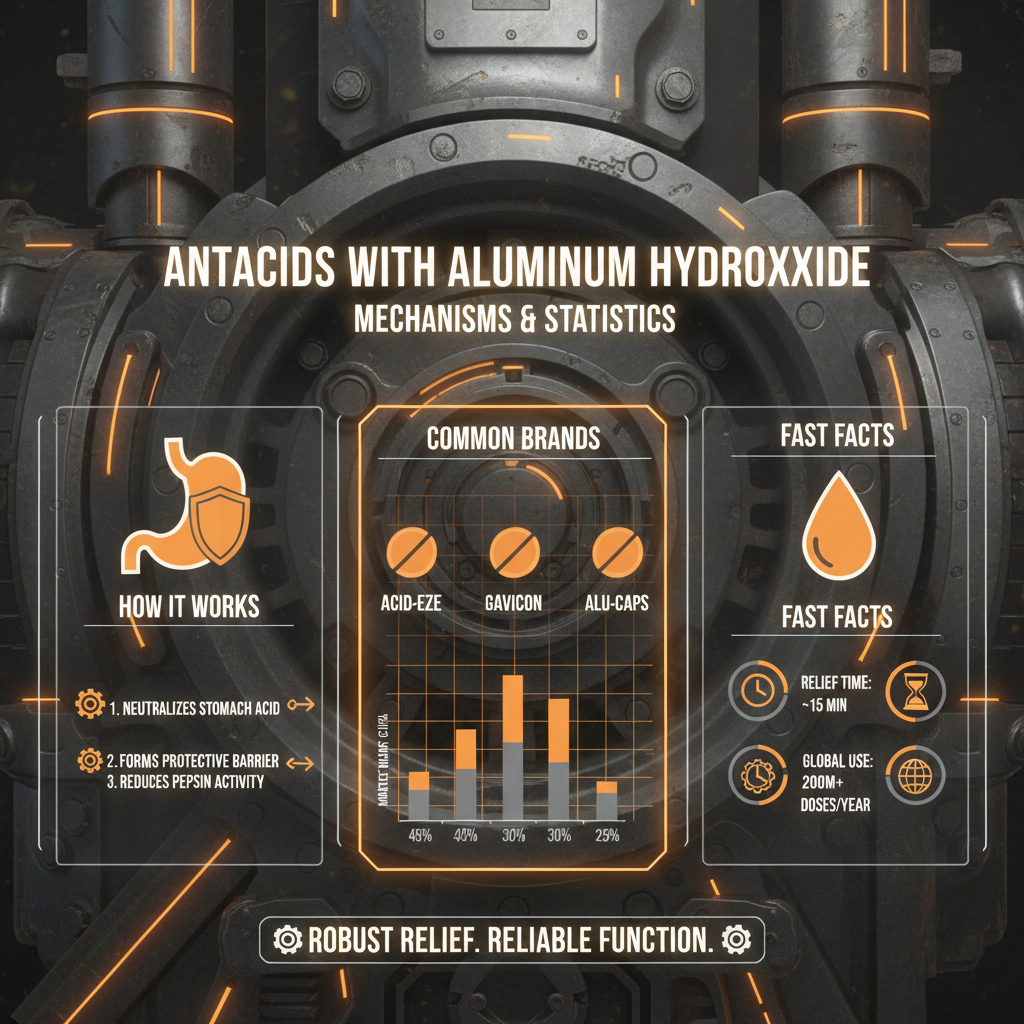
Antacids containing aluminum hydroxide are pharmaceutical preparations designed to counteract the effects of excess stomach acid. They consist primarily of aluminum hydroxide (Al(OH)₃), a white, odorless powder that is insoluble in water. When ingested, aluminum hydroxide reacts with hydrochloric acid (HCl) in the stomach, neutralizing it to form aluminum chloride (AlCl₃) and water (H₂O). This chemical reaction elevates the stomach pH, reducing acidity and alleviating symptoms of heartburn and indigestion.
The defining characteristic of these antacids is their relatively slow onset of action compared to some other acid-reducing medications. However, they provide longer-lasting relief, making them suitable for managing symptoms throughout the day. They are categorized as over-the-counter (OTC) medications, meaning they are readily available without a prescription, contributing to their accessibility and widespread use.
The use of aluminum hydroxide as an antacid dates back decades, establishing a long track record of effectiveness and safety. While newer acid-reducing drugs have emerged, antacids containing aluminum hydroxide remain a valuable option, particularly for those seeking a simple, affordable, and readily available solution for occasional heartburn or indigestion.
Core Components of Aluminum Hydroxide Antacids
The core functionality of antacids containing aluminum hydroxide relies on several key factors. First, the purity and particle size of the aluminum hydroxide itself are critical. Smaller particle sizes increase the surface area available for reaction with stomach acid, leading to faster neutralization. Second, the formulation often includes excipients, such as binders and flavoring agents, to improve palatability and tablet integrity.
A crucial aspect is the potential for interaction with other medications. Aluminum hydroxide can bind to certain drugs in the gastrointestinal tract, reducing their absorption and effectiveness. Therefore, it's essential to consider potential drug interactions when using these antacids. The presence of magnesium hydroxide in some formulations aims to mitigate the constipating effects often associated with aluminum hydroxide alone, providing a more balanced effect.
The buffering capacity of aluminum hydroxide, meaning its ability to resist changes in pH, dictates the duration of its effect. Higher buffering capacity translates to longer-lasting relief. Quality control measures during manufacturing are paramount to ensure consistent potency and prevent contamination, guaranteeing both safety and effectiveness for consumers.
Global Applications and Practical Use
Antacids containing aluminum hydroxide find widespread application across diverse populations and healthcare settings globally. In developed nations, they are commonly used for self-treatment of occasional heartburn and indigestion, often after consuming spicy or fatty foods. They’re also frequently recommended by physicians for symptomatic relief of GERD, particularly in mild cases.
In developing countries, where access to advanced medical care may be limited, these antacids serve as a critical resource for managing digestive discomfort. Their affordability and availability make them a viable option for individuals who cannot readily access or afford prescription medications. In post-disaster relief operations, they are often included in essential medicine kits to address the gastrointestinal issues that frequently arise due to stress and changes in diet.
Furthermore, in remote industrial zones or areas with limited infrastructure, antacids containing aluminum hydroxide provide a convenient and effective solution for workers experiencing digestive upset due to challenging working conditions or dietary factors. The continued demand for antacids containing aluminum hydroxide underscores its versatility and importance in global healthcare.
Effectiveness of Different Aluminum Hydroxide Antacid Formulations
Advantages and Long-Term Value Proposition
The advantages of antacids containing aluminum hydroxide extend beyond simple symptom relief. They offer a cost-effective solution for managing occasional heartburn and indigestion, making them accessible to a broad range of consumers. Their ease of use – typically requiring no prescription or complex administration – further enhances their value.
From a societal perspective, widespread availability of these antacids can reduce the burden on healthcare systems by addressing minor digestive issues before they escalate into more serious conditions. Their generally well-tolerated profile, when used as directed, minimizes the risk of adverse effects, contributing to patient safety and trust. The long-term value lies in their ability to improve quality of life for individuals suffering from mild to moderate acid-related digestive problems.
Future Trends and Innovation in Antacid Formulations
Innovation in antacid formulations is focused on improving efficacy, minimizing side effects, and enhancing patient compliance. Researchers are exploring novel delivery systems, such as chewable tablets with faster disintegration rates and sustained-release formulations for prolonged relief. The integration of probiotics into antacid products is also gaining traction, aiming to address underlying gut imbalances that contribute to digestive issues.
Furthermore, the development of combination therapies, pairing aluminum hydroxide with other acid-reducing agents or gastroprotective compounds, is being investigated to provide more comprehensive and targeted treatment. Digital health technologies, such as mobile apps that track symptoms and provide personalized dosage recommendations, may also play a role in optimizing antacid use in the future.
Challenges and Solutions in Aluminum Hydroxide Antacid Usage
Despite their benefits, antacids containing aluminum hydroxide face challenges related to potential side effects, such as constipation, and drug interactions. Prolonged or excessive use can lead to aluminum accumulation in the body, although this is rare. Addressing these concerns requires educating consumers about proper dosage, duration of use, and potential interactions with other medications.
Combining aluminum hydroxide with magnesium hydroxide in formulations can effectively mitigate the constipating effects. Developing formulations with enhanced bioavailability and reduced aluminum absorption is another area of research. Furthermore, promoting mindful use – encouraging consumers to address underlying lifestyle factors that contribute to heartburn, such as diet and stress – can reduce reliance on these medications.
The ongoing research to minimize these limitations and improve the overall safety and effectiveness of antacids containing aluminum hydroxide will ensure their continued relevance in the pharmaceutical landscape.
Overview of Key Factors Influencing Aluminum Hydroxide Antacid Efficacy
| Formulation Type |
Particle Size (µm) |
Magnesium Hydroxide Content (%) |
Neutralization Rate (min) |
| Tablet |
5-10 |
20 |
15 |
| Chewable Tablet |
2-5 |
10 |
10 |
| Liquid Suspension |
1-3 |
30 |
5 |
| Capsule |
8-12 |
0 |
20 |
| Fast-Dissolving Tablet |
1-2 |
25 |
8 |
| Sustained-Release Tablet |
6-9 |
15 |
30 |
FAQS
Antacids containing aluminum hydroxide generally take 30-60 minutes to start providing noticeable relief from heartburn or indigestion. The exact timeframe can vary depending on factors like individual metabolism, the presence of food in the stomach, and the specific formulation of the antacid. While slower-acting than some other acid-reducing medications, they tend to offer longer-lasting relief, making them suitable for managing symptoms over several hours. It’s important to follow the dosage instructions on the product label for optimal results.
Yes, antacids containing aluminum hydroxide can interact with certain medications, reducing their absorption and effectiveness. These include some antibiotics (tetracyclines, quinolones), iron supplements, digoxin, and certain anti-seizure medications. It is crucial to separate the administration of these medications from the antacid by at least 2 hours. Always consult with a healthcare professional or pharmacist to check for potential drug interactions before taking antacids with other medications.
The most common side effect of antacids containing aluminum hydroxide is constipation. This can be minimized by choosing formulations that include magnesium hydroxide, which has a laxative effect. Less common side effects include nausea, vomiting, and abdominal cramping. In rare cases, prolonged or excessive use can lead to aluminum accumulation in the body. If you experience persistent or severe side effects, discontinue use and consult with a healthcare professional.
Generally, antacids containing aluminum hydroxide are considered safe for occasional use during pregnancy and breastfeeding. However, it’s always best to consult with your healthcare provider before taking any medication, including over-the-counter antacids, during these periods. They can assess your individual situation and provide personalized recommendations based on your medical history and current health status. Avoiding overuse is also key.
Antacids containing aluminum hydroxide should be stored in a cool, dry place, away from direct sunlight and moisture. Keep the container tightly closed to prevent the medication from degrading. Do not use antacids that have expired or that show signs of damage or contamination. Properly storing your medication helps maintain its potency and ensures its safety and effectiveness.
Frequent, daily use of antacids containing aluminum hydroxide is generally not recommended. While they can provide temporary relief, relying on them long-term may mask underlying digestive issues that require medical attention. If you find yourself needing antacids on a daily basis, it's crucial to consult with a healthcare professional to determine the cause of your symptoms and explore appropriate treatment options. Long-term use may also increase the risk of side effects and nutrient imbalances.
Conclusion
Antacids containing aluminum hydroxide remain a cornerstone in the management of common digestive discomforts like heartburn and indigestion. Their accessibility, affordability, and generally well-tolerated profile make them a valuable resource for individuals worldwide. Understanding their mechanism of action, potential side effects, and appropriate usage guidelines is crucial for maximizing their benefits and ensuring patient safety.
Looking ahead, ongoing research and innovation will continue to refine antacid formulations, addressing existing limitations and enhancing efficacy. By promoting mindful use and encouraging individuals to seek medical attention when symptoms persist, we can harness the full potential of these medications and improve the quality of life for millions. For more information on antacids containing aluminum hydroxide and our range of products, visit our website today!