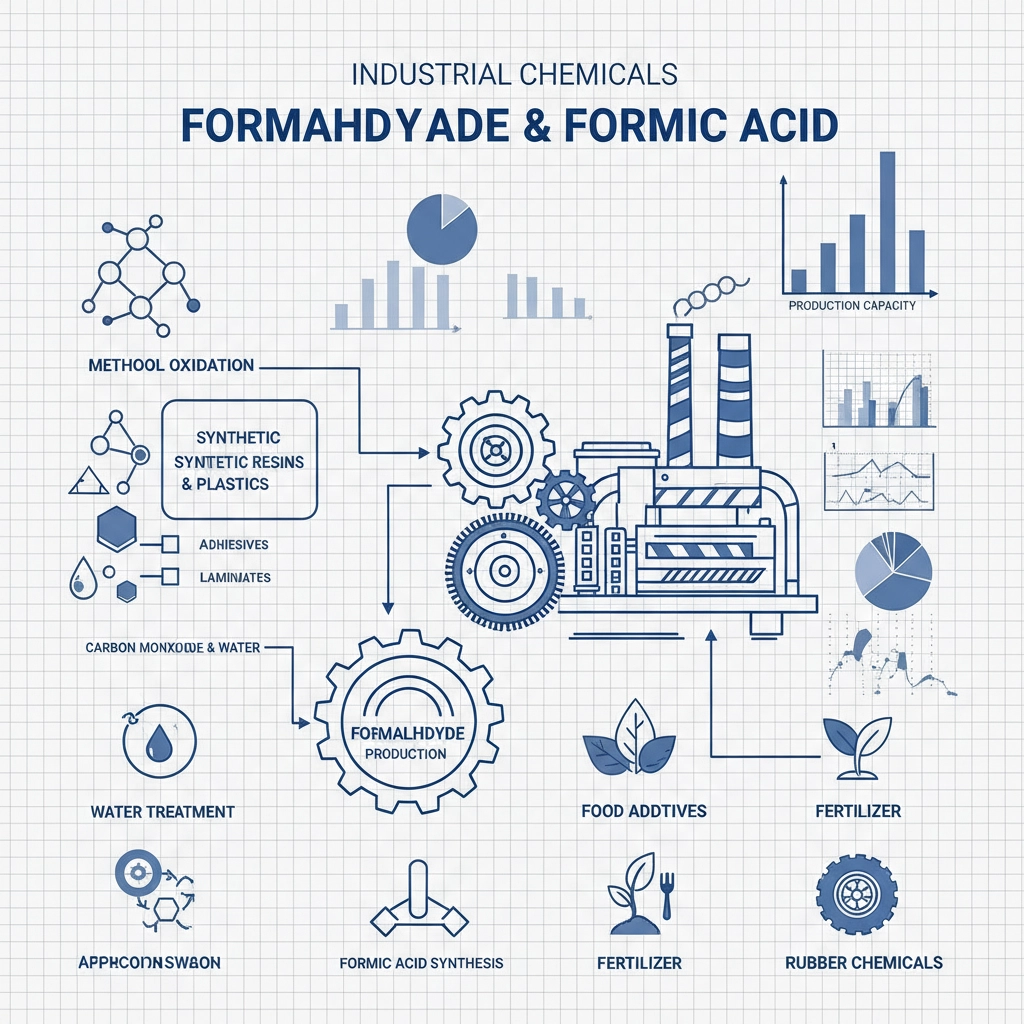
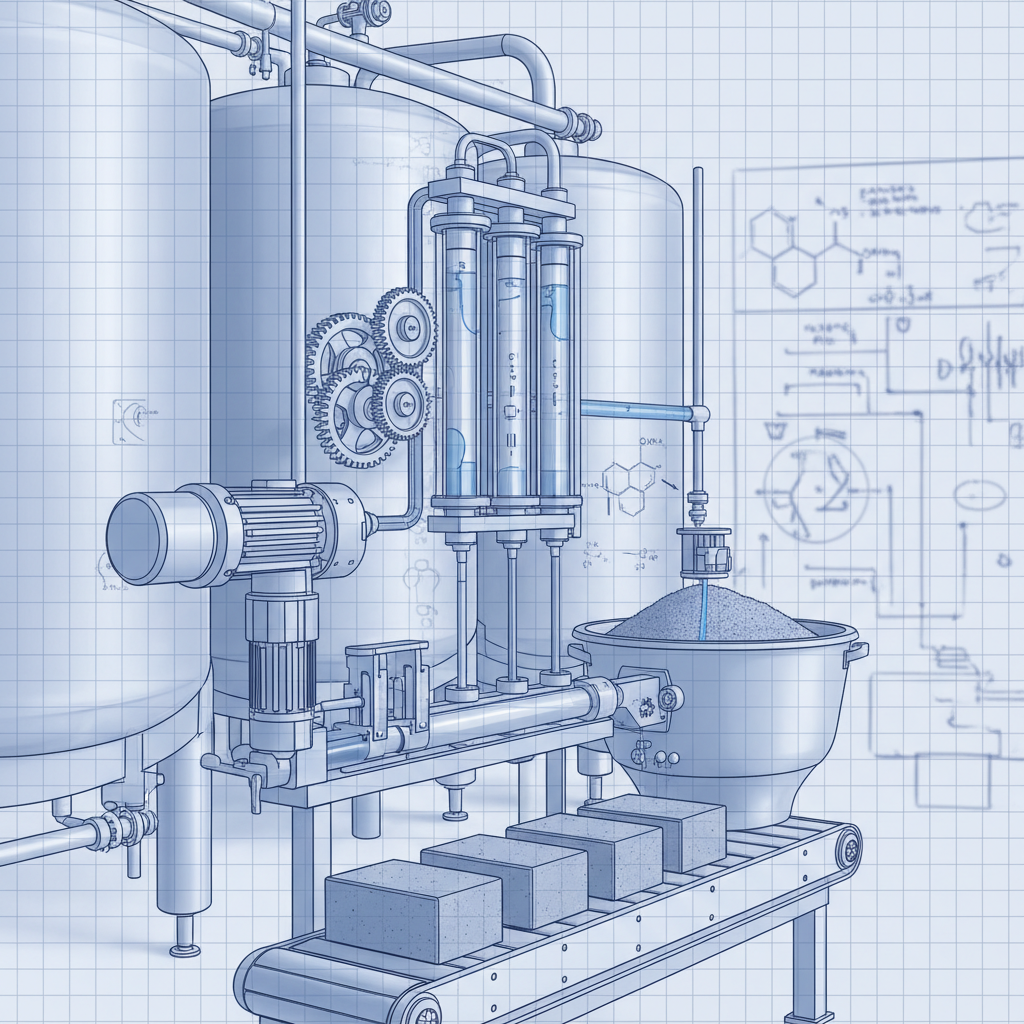
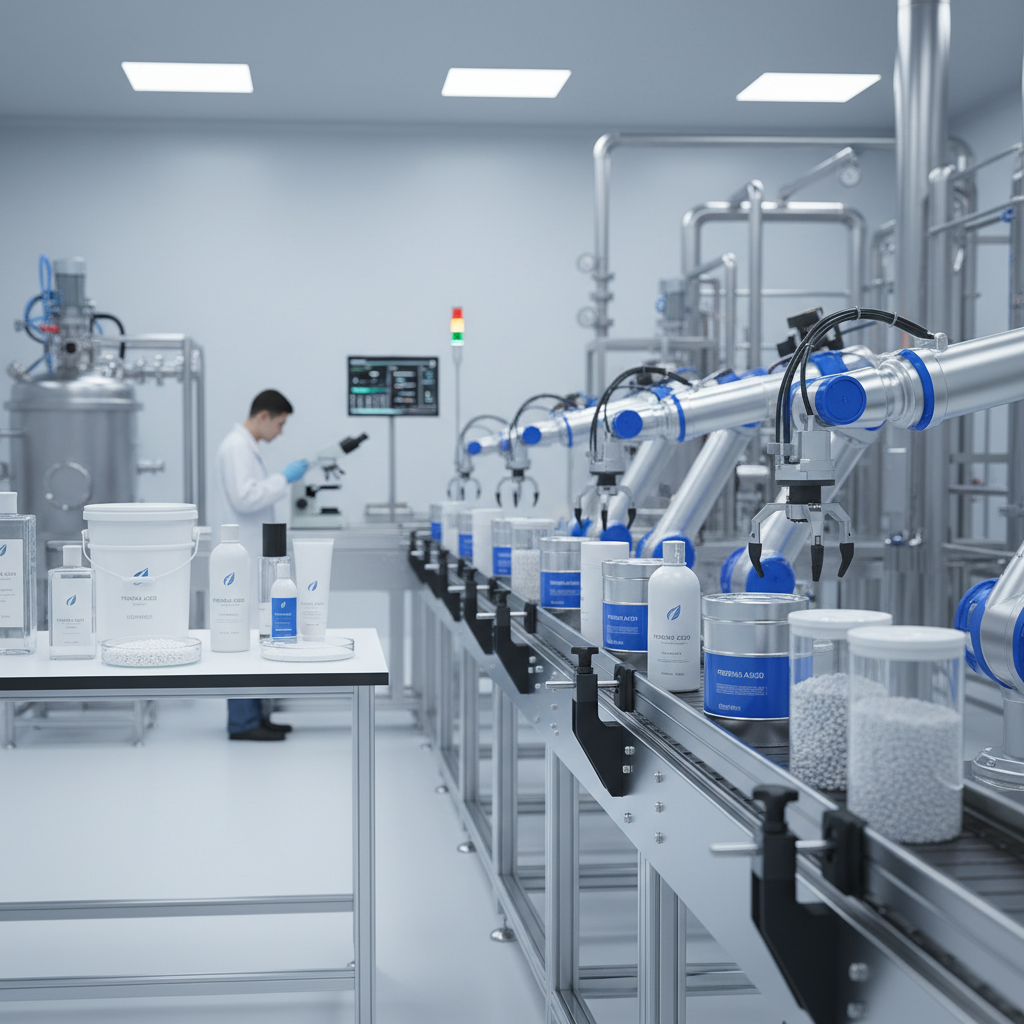
In the complex landscape of modern industrial chemistry, the synergy between formaldehyde and formic acid serves as a cornerstone for countless manufacturing processes. These two compounds, while distinct in their chemical behavior, are inextricably linked through the oxidation processes of methanol, providing the essential building blocks for synthetic resins, polymers, and high-performance adhesives that sustain global infrastructure.
Understanding the delicate balance and reactivity of formaldehyde and formic acid is not merely a matter of academic interest but a commercial necessity. From the construction of energy-efficient housing via urea-formaldehyde resins to the precision required in leather tanning and textile finishing, these chemicals drive efficiency, durability, and scalability across multiple sectors of the global economy.
As the industry pivots toward greener chemistry and more stringent environmental regulations, the strategic sourcing and application of high-purity formaldehyde and formic acid have become critical. This guide explores their technical properties, industrial applications, and the evolving trends that are shaping the future of basic chemical raw materials in the 21st century.
Global Market Dynamics of Formaldehyde and Formic Acid
The global demand for formaldehyde and formic acid is closely tied to the growth of the construction and automotive industries. As emerging economies expand their urban infrastructure, the need for composite woods and high-strength adhesives has surged, placing these chemicals at the center of the supply chain. Market data suggests a steady CAGR growth, driven primarily by the Asia-Pacific region's dominance in resin production.
However, the industry faces a significant challenge: balancing high production volumes with increasingly strict VOC (Volatile Organic Compound) emission standards. Manufacturers are now tasked with refining the synthesis of these chemicals to minimize impurities, ensuring that the end products—such as plywood or textile dyes—meet international safety certifications like ISO and REACH.
Technical Definitions and Chemical Synergy
Formaldehyde is the simplest aldehyde, a colorless, strong-smelling gas that is typically sold as an aqueous solution known as formalin. Its high reactivity makes it an ideal cross-linking agent, allowing it to bind various polymers into rigid, durable structures. In the context of synthetic resins, it acts as the "glue" that provides structural integrity to composite materials used in everything from furniture to aerospace components.
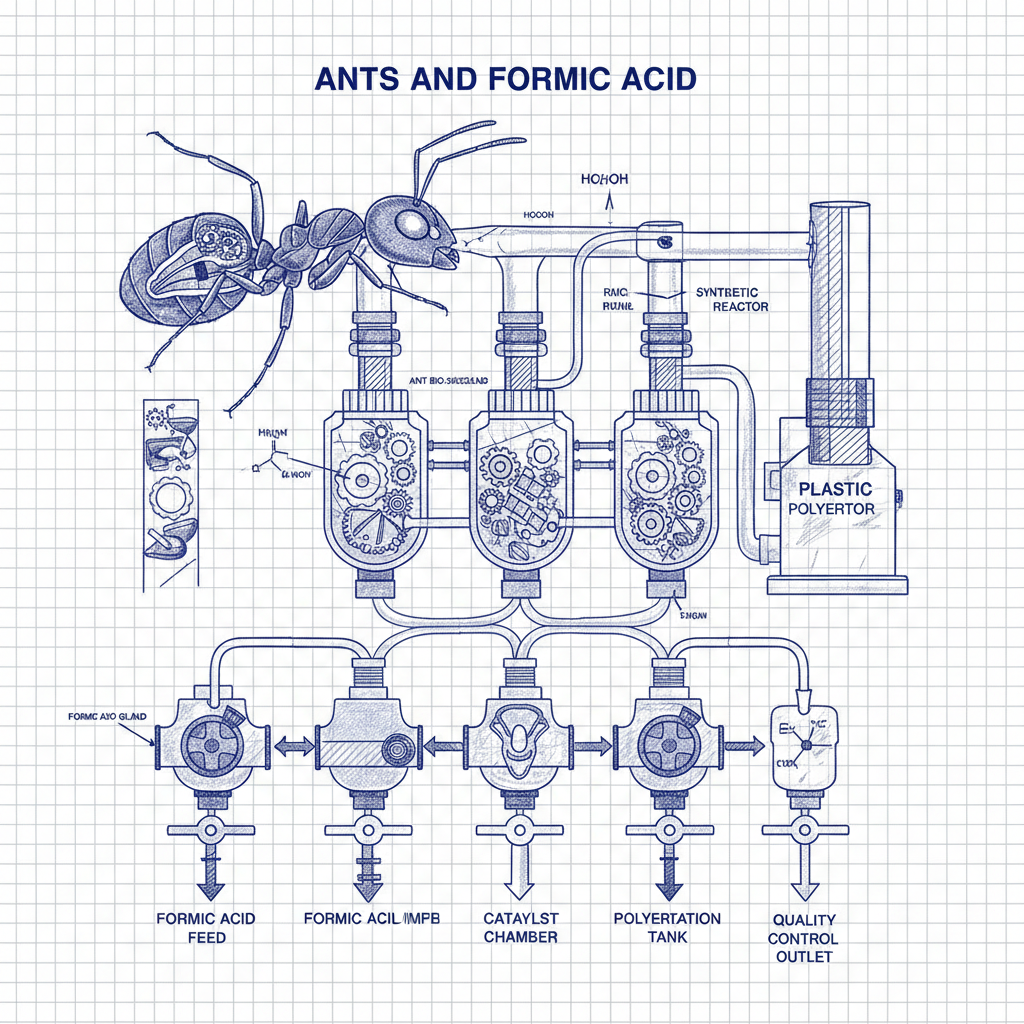
Formic acid, the simplest carboxylic acid, is a powerful organic acid used extensively as a preservative and a pH regulator. While formaldehyde focuses on structure, formic acid often focuses on processing—acting as a coagulant in rubber production or a tanning agent in the leather industry. Together, formaldehyde and formic acid represent a spectrum of reactivity that allows chemists to manipulate materials from the molecular level.
The connection between these two is not just functional but chemical; formic acid can be produced via the carbonylation of methanol or through the oxidation of formaldehyde. This relationship allows industrial plants to optimize their production streams, switching focus between the two depending on market demand and feedstock availability, thereby enhancing overall resource efficiency.
Core Components of Industrial Performance
When evaluating the industrial grade of formaldehyde and formic acid, purity is the primary driver of performance. Higher purity levels ensure that cross-linking reactions in resin production are predictable and consistent, preventing structural weaknesses in the final composite material.
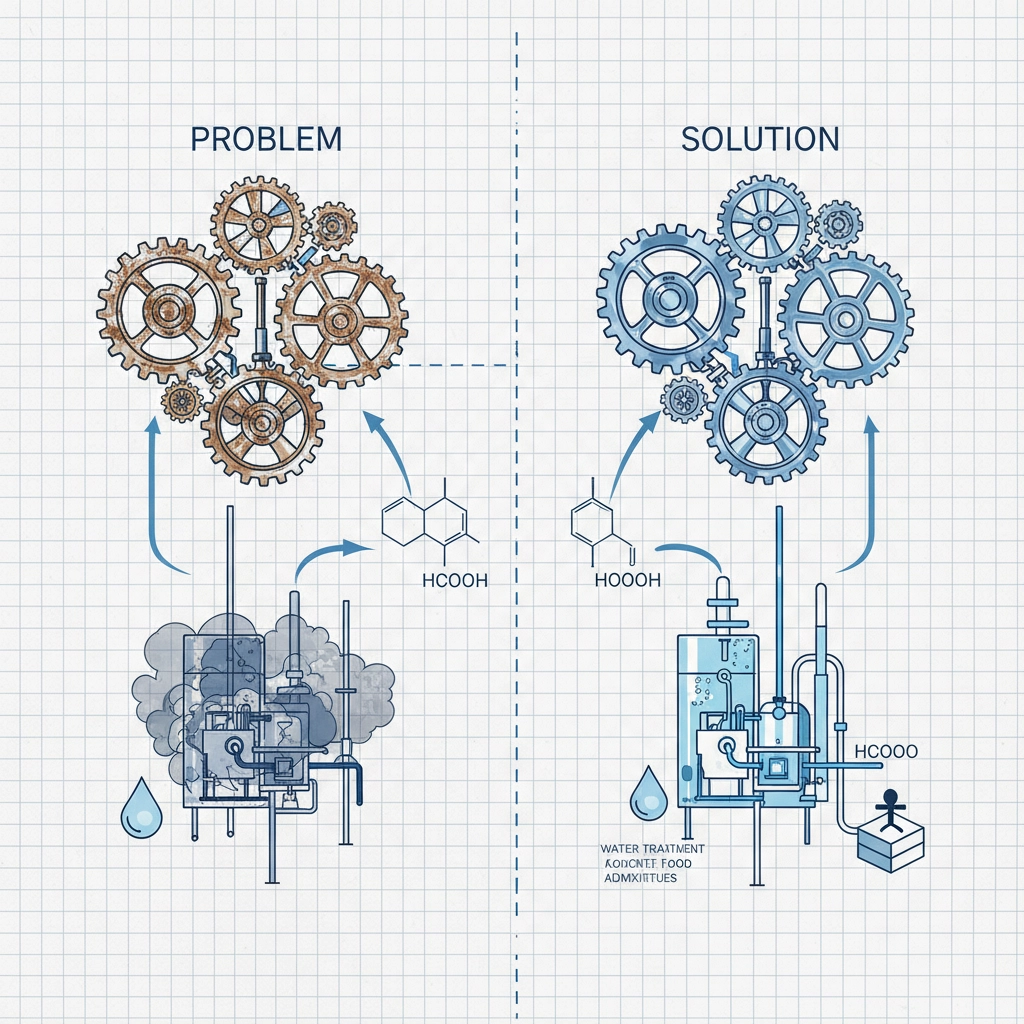
Stability is another critical factor. Because formaldehyde is prone to polymerization and formic acid is highly corrosive, the use of stabilizers (such as methanol in formalin) is essential. This ensures that the chemicals remain safe for transport and consistent in potency from the factory to the end-user.
Finally, the reactivity ratio determines the speed of the curing process. In fast-paced manufacturing environments, the ability to control the reaction rate of formaldehyde and formic acid allows for shorter production cycles and higher throughput without sacrificing the quality of the bond.
Scalability and Cost-Efficiency Analysis
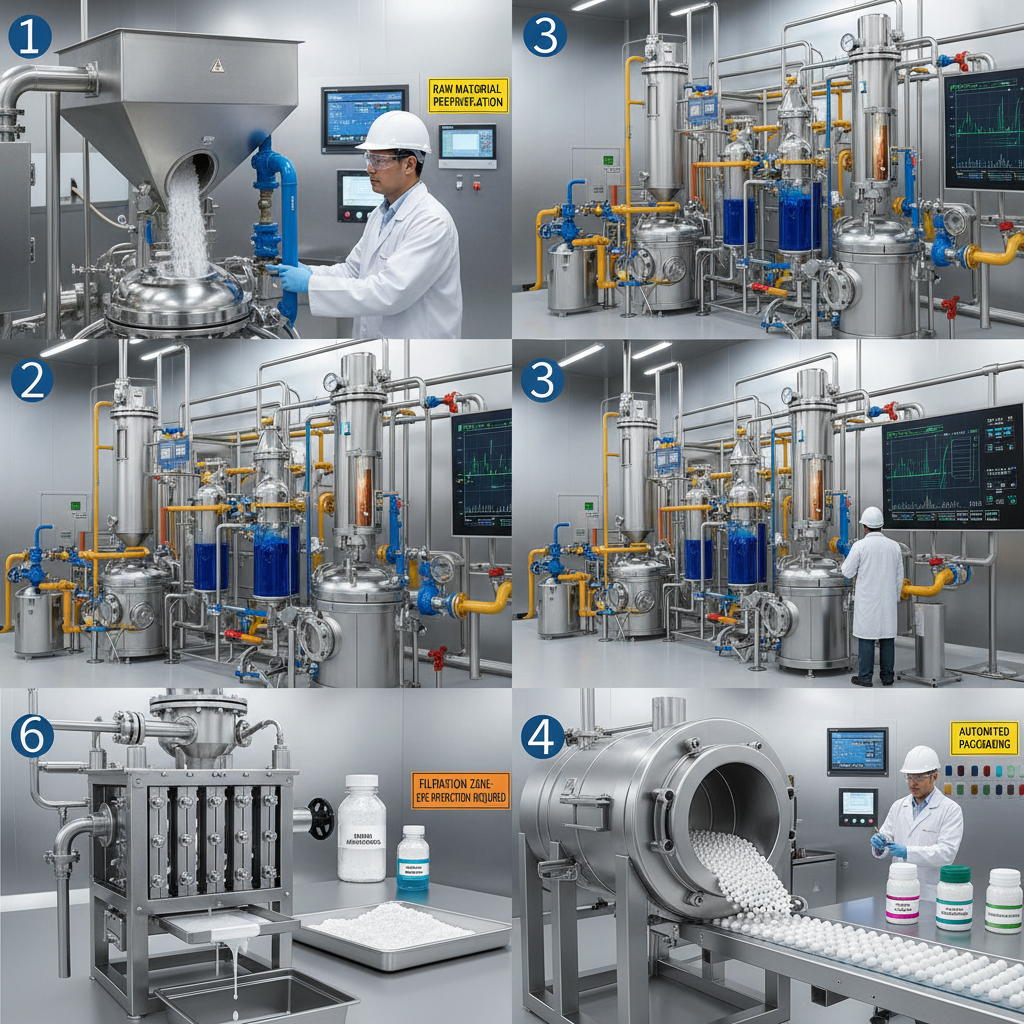
Scalability in the production of formaldehyde and formic acid relies on the optimization of catalyst efficiency. By utilizing advanced silver or metal-oxide catalysts, manufacturers can increase the yield per pass, reducing the energy required for distillation and recycling unreacted methanol, which directly lowers the cost per ton.
Cost-efficiency is also achieved through integrated logistics. Since these chemicals are often produced in large volumes, reducing the distance between the synthesis plant and the resin manufacturing facility minimizes transport risks and costs, ensuring a lean supply chain that can react quickly to market fluctuations.
Efficiency Comparison of Formaldehyde and Formic Acid Synthesis
Global Applications and Cross-Industry Use Cases
The versatility of formaldehyde and formic acid is evident in their diverse applications. In the textile industry, they are used for crease-resistant finishes and dye fixation, ensuring that fabrics maintain their shape and color after multiple washes. In the agricultural sector, formic acid serves as a critical preservative for silage, preventing spoilage and ensuring livestock feed quality in remote farming zones.
Beyond these, the mining and rubber industries rely on these chemicals for coagulation and leaching processes. For example, in the production of synthetic rubber, formic acid is employed to precipitate the polymer from its solution, while formaldehyde is used in the synthesis of the resins that bond the rubber to fabric in tire manufacturing. This cross-industry reliance makes these chemicals indispensable to the global industrial machine.
Long-Term Value and Sustainability Benefits
The long-term value of integrating high-quality formaldehyde and formic acid lies in the durability of the end products. By optimizing the cross-linking density in resins, manufacturers can create building materials that last decades longer and resist moisture and decay more effectively, reducing the need for frequent replacements and lowering the overall environmental footprint of construction.
From a safety and trust perspective, the transition toward "Low-F" (Low Formaldehyde) emissions is an innovation that provides immense social value. By developing resins that sequester formaldehyde more effectively, the industry is improving indoor air quality for millions of people, aligning commercial success with human health and dignity.
Furthermore, the potential for bio-based formic acid—derived from CO2 capture—represents a logical shift toward a circular economy. This innovation transforms a greenhouse gas into a valuable industrial feedstock, proving that the production of basic chemicals can be a solution to environmental challenges rather than a cause.
Future Innovations and Regulatory Trends
The future of formaldehyde and formic acid is being shaped by the digital transformation of chemical plants. AI-driven process control is now being used to monitor reaction temperatures and pressures in real-time, reducing waste and preventing the hazardous "runaway" reactions that can occur during large-scale synthesis.
Regulatory policies are also pushing the industry toward safer alternatives and stricter containment. The adoption of closed-loop systems for the handling of these chemicals is becoming the standard, ensuring that zero emissions leak into the atmosphere. This shift is not just about compliance but about establishing a new benchmark for industrial responsibility.
As we look forward, the integration of green hydrogen in the production of methanol (the feedstock for both chemicals) will likely decarbonize the entire value chain. This evolution will ensure that these essential compounds remain viable in a net-zero world, combining historical reliability with future sustainability.
Comparative Analysis of Production and Application Standards
| Dimension |
Formaldehyde (Standard) |
Formic Acid (Standard) |
Impact Score (1-10) |
| Main Feedstock |
Methanol / Air |
Carbon Monoxide / Methanol |
9 |
| Primary Use |
Resin Synthesis |
pH Control / Tanning |
10 |
| Storage Risk |
Polymerization / VOCs |
Corrosivity |
7 |
| Green Alt. |
Bio-methanol path |
CO2 Capture synthesis |
8 |
| Industry Focus |
Construction / Wood |
Agriculture / Leather |
9 |
| Market Growth |
Steady / High Volume |
Moderate / Specialized |
7 |
FAQS
Formaldehyde is primarily used as a chemical building block for synthetic resins and adhesives, focusing on creating structural bonds. Formic acid, conversely, is used more as a processing agent—serving as a pH regulator, coagulant, or preservative. While one builds the material, the other often optimizes the process or preserves the product.
Reducing emissions involves using high-purity formaldehyde to minimize side reactions and implementing "scavenger" technologies in the resin formulation. Additionally, transitioning to closed-loop manufacturing systems and ensuring precise temperature control during curing can significantly lower the amount of free formaldehyde released into the air.
Yes, formic acid is widely accepted as a safe and effective preservative for silage and livestock feed when used at regulated concentrations. It prevents the growth of molds and bacteria, ensuring the nutritional value of the feed is maintained during storage, which is critical for livestock health in large-scale farming.
Formaldehyde (formalin) should be stored in cool, well-ventilated areas, often with stabilizers to prevent polymerization. Formic acid requires corrosion-resistant containers, such as high-density polyethylene (HDPE) or specially lined stainless steel, to prevent the acid from eating through the storage vessel over time.
The movement is driving a shift toward bio-based feedstocks. For example, using captured CO2 to synthesize formic acid reduces the reliance on fossil fuels. Similarly, the move toward bio-methanol for formaldehyde production allows companies to lower their overall carbon footprint while maintaining the same technical performance.
Yes, but they require specialized logistics. Because they are classified as hazardous materials, shipping involves strict adherence to IMDG (International Maritime Dangerous Goods) codes. Most global suppliers provide them in ISO tanks or specialized drums to ensure safety and purity during long-distance transit.
Conclusion
The strategic importance of formaldehyde and formic acid cannot be overstated. From providing the structural integrity of our homes to ensuring the quality of our food and textiles, these chemicals are the invisible engines of industrial productivity. By balancing purity, stability, and reactivity, manufacturers can unlock immense value, creating products that are not only efficient and cost-effective but also durable and reliable for long-term use.
Looking ahead, the industry must embrace the dual challenge of sustainability and innovation. The shift toward bio-based feedstocks and AI-optimized production is not just a regulatory requirement but a competitive advantage. By investing in greener synthesis and lower-emission resins, the chemical industry can ensure that the essential roles of these compounds are preserved for future generations. Visit our website for more professional chemical solutions: www.tengerchemical.com