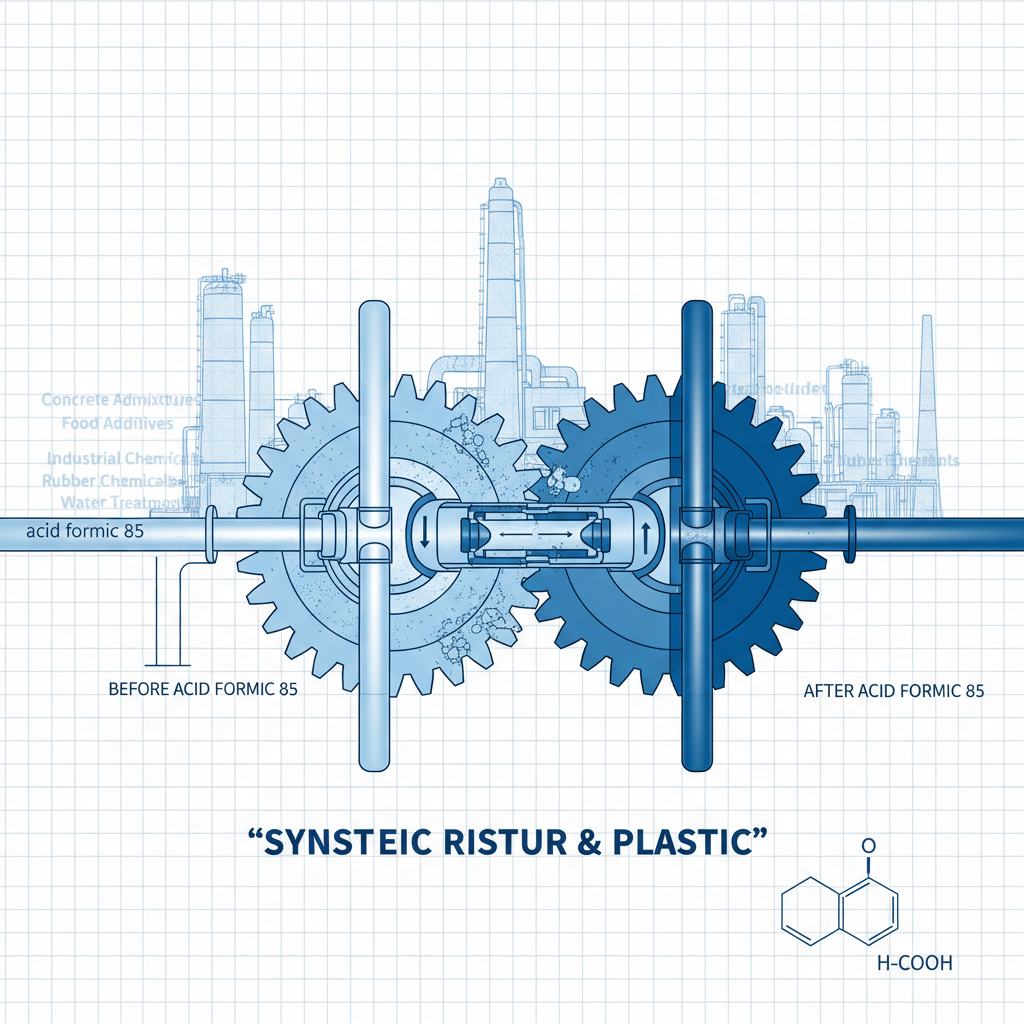
Understanding the cost of formic acid is crucial for procurement managers and industrial chemists across the globe. As a versatile organic compound, its pricing directly influences the bottom line of various sectors, from leather tanning and textile processing to the production of high-efficiency silage and advanced chemical synthesis. Monitoring these cost fluctuations allows businesses to optimize their supply chains and maintain competitive pricing for their end products.
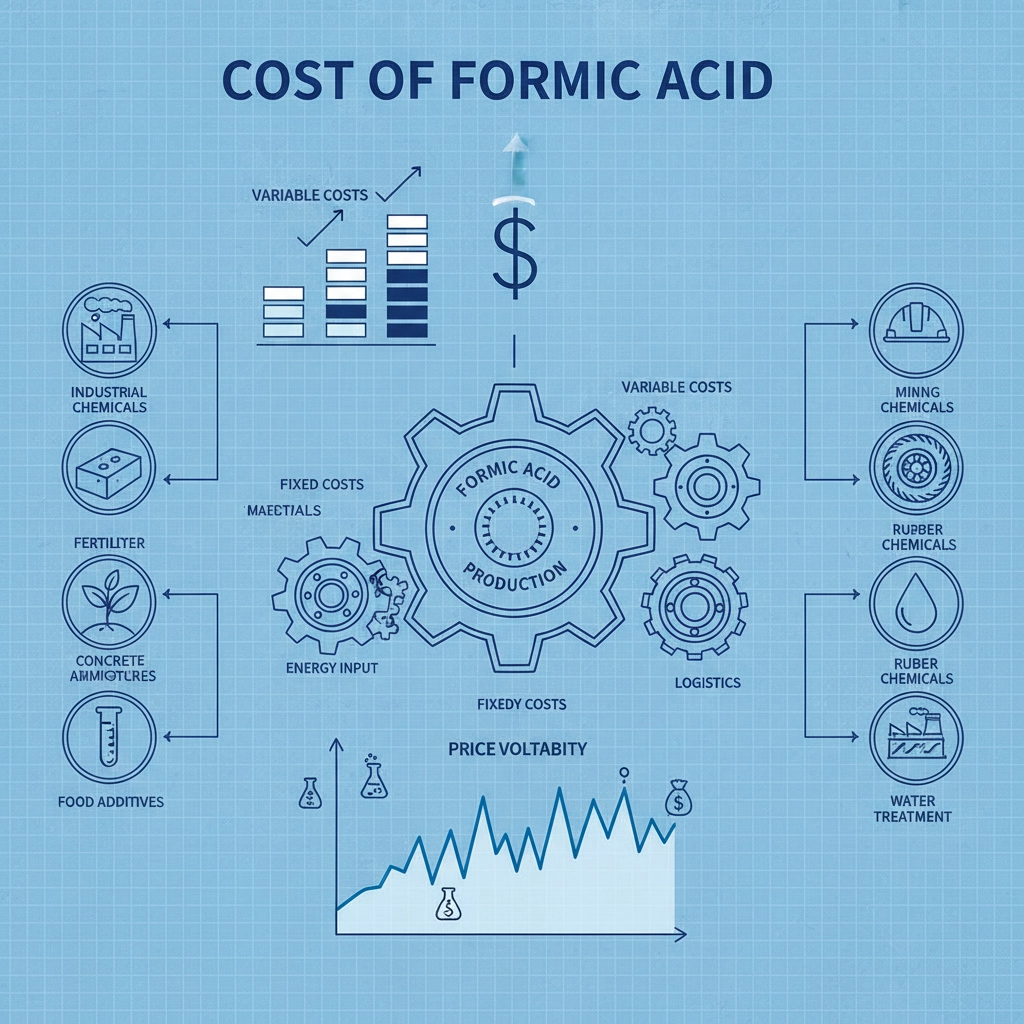
On a global scale, the volatility of the cost of formic acid is often tied to the availability of raw materials, such as carbon monoxide and methanol, and the energy costs associated with its synthesis. Because it is used in everything from rubber coagulation to water treatment, any shift in the global market price can trigger a ripple effect throughout the industrial chemical landscape, making strategic sourcing a priority for stability.
By analyzing the factors that drive the cost of formic acid, companies can move from reactive purchasing to proactive hedging. Whether you are sourcing for agricultural preservatives or industrial solvents, a deep dive into the pricing mechanisms ensures that you are not only getting a fair market rate but also securing a sustainable supply of this critical chemical reagent.
Global Market Drivers of Formic Acid Costs
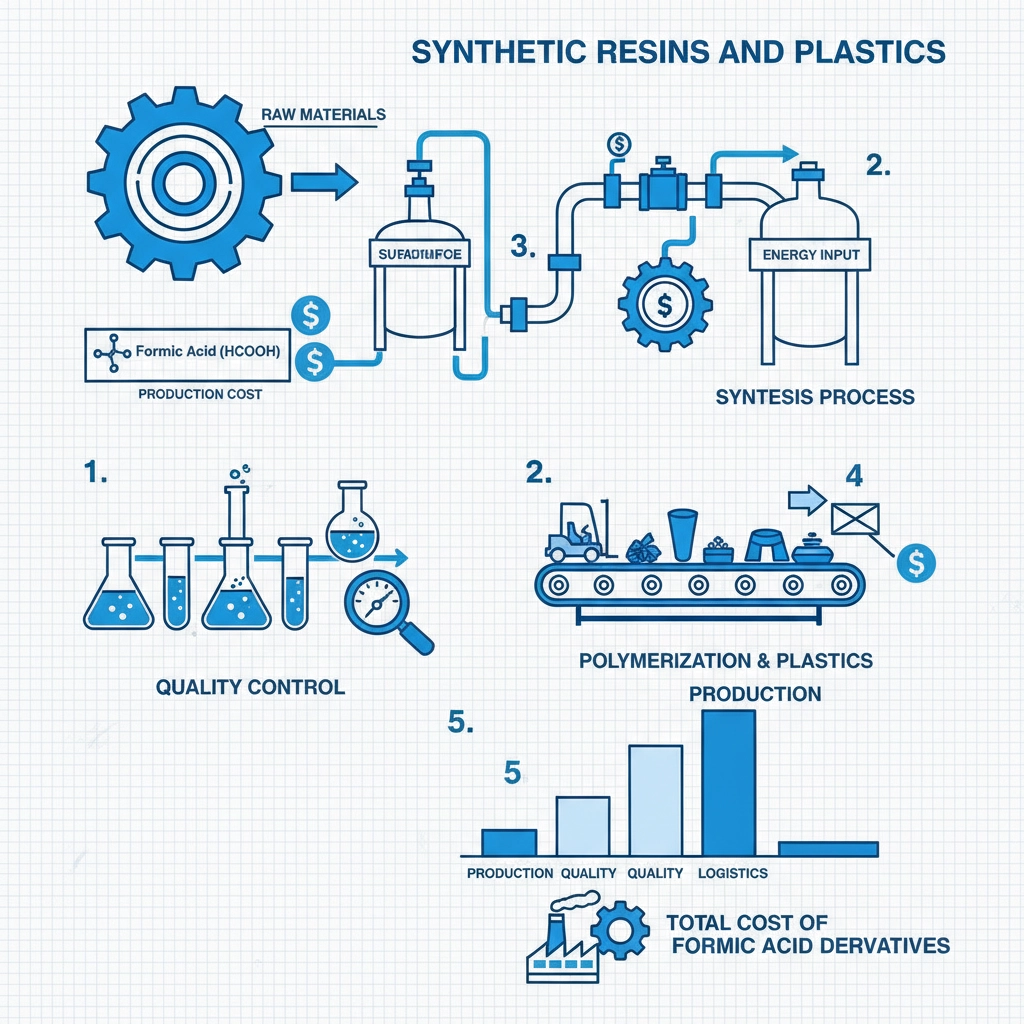
The cost of formic acid is primarily dictated by the volatility of feedstock prices. Since the most common industrial production method involves the carbonylation of methanol, any spike in the price of natural gas or methanol immediately translates to a higher cost per ton. Global trade policies and tariffs also play a significant role, particularly when sourcing from major production hubs in Asia or Europe.
Beyond raw materials, logistics and energy consumption during the synthesis process are critical factors. The energy-intensive nature of purifying the acid to high concentrations means that regional electricity prices can create significant variances in the final cost of formic acid across different geographic zones.
Understanding the Components of Pricing
When evaluating the cost of formic acid, it is essential to distinguish between the base chemical price and the total landed cost. The base price is the commodity value, but the landed cost includes freight, insurance, and customs duties, which can fluctuate based on shipping lane availability and geopolitical stability.
Packaging also contributes significantly to the overall expense. Whether the product is delivered in bulk ISO tanks, IBC totes, or 25kg drums, the packaging material and the handling requirements for corrosive substances add a premium to the base cost of formic acid.
Finally, order volume triggers tiered pricing. Large-scale industrial buyers typically negotiate long-term contracts to hedge against spot market volatility, effectively lowering their average cost of formic acid compared to small-batch purchasers who are subject to daily market swings.
The Relationship Between Purity and Cost
The purity grade of the chemical is one of the most direct modifiers of the cost of formic acid. Industrial grade (typically 85%) is the most common and cost-effective for applications like leather tanning or silage preservation.
As the purity increases toward 99% or higher (pharmaceutical or laboratory grade), the cost of formic acid rises exponentially. This is due to the rigorous distillation and filtration processes required to remove trace impurities, which increases energy consumption and waste.
For businesses, the goal is to match the purity level exactly to the application requirements. Over-specifying the purity leads to an unnecessary increase in the cost of formic acid without providing any additional functional benefit to the final product.
Comparative Analysis of Sourcing Methods
Choosing between spot buying and contract pricing is a strategic decision that fundamentally alters the cost of formic acid for a company. Spot buying offers flexibility and the potential to capitalize on market dips, but it exposes the buyer to sudden price spikes during supply shortages.
In contrast, long-term supply agreements provide price predictability, allowing for more accurate budgeting and financial planning. This stability often offsets the risk of missing a temporary market low, ensuring a consistent cost of formic acid throughout the fiscal year.
Comparison of Sourcing Impact on Formic Acid Costs
Strategic Applications and Value Engineering
In the rubber and textile industries, the cost of formic acid is managed through value engineering. By optimizing the concentration of the acid in the coagulation bath, manufacturers can reduce the total volume of chemical required, thereby lowering the operational cost without sacrificing product quality.
Similarly, in the agricultural sector, using formic acid as a preservative for silage requires a precise balance. Understanding the cost-to-benefit ratio ensures that farmers can protect their fodder from spoilage while keeping the cost of formic acid within a sustainable budget for the farm's annual overhead.
Long-term Economic Benefits and Sustainability
Integrating sustainable sourcing practices can lead to a reduction in the long-term cost of formic acid. Companies that transition to bio-based formic acid, although initially facing a higher premium, may benefit from carbon credits and governmental subsidies aimed at reducing the industrial carbon footprint.
Furthermore, implementing closed-loop recovery systems allows some industrial plants to reclaim and reuse the acid. This circular approach dramatically reduces the need for fresh procurement, effectively lowering the average cost of formic acid over the lifecycle of the production plant.
From a reliability perspective, establishing a diversified supplier base prevents "price gouging" during regional shortages. By spreading the risk across multiple vendors, companies ensure that the cost of formic acid remains stable regardless of localized disruptions.
Future Price Forecasts and Technological Shifts
The future cost of formic acid is expected to be influenced by the rise of Carbon Capture and Utilization (CCU) technologies. By converting captured CO2 directly into formic acid, the industry could decouple production from traditional fossil-fuel feedstocks, potentially stabilizing prices.
Automation in chemical logistics and the adoption of AI-driven demand forecasting are also set to optimize the supply chain. These efficiencies will likely reduce the overhead costs associated with storage and transport, bringing down the final cost of formic acid for the end user.
As global environmental regulations tighten, the shift toward "Green Formic Acid" will likely create a two-tiered pricing market. While traditional acid may remain cheap, the high-value, eco-certified version will command a premium, redefining how we perceive the cost of formic acid in a sustainable economy.
Analysis of Formic Acid Cost Variations by Application and Grade
| Application Sector |
Required Purity |
Cost Sensitivity |
Price Stability |
| Leather Tanning |
85% Industrial |
High |
Moderate |
| Silage Preservatives |
85% Industrial |
Very High |
Seasonal |
| Pharmaceuticals |
>99% Pure |
Low |
High |
| Rubber Coagulation |
85% Industrial |
High |
Moderate |
| Textile Finishing |
85-90% |
Moderate |
Moderate |
| Lab Reagents |
Analytical Grade |
Very Low |
High |
FAQS
The cost is primarily driven by the price of raw materials like methanol and carbon monoxide, energy costs for synthesis, and logistics. Additionally, the purity grade (e.g., 85% vs 99%) and the order volume significantly impact the final price per unit.
Yes, high-purity formic acid (99%+) is considerably more expensive than industrial grade (85%). This is due to the intensive distillation and purification processes required to remove impurities, which increases production time and energy expenditure.
Buyers can reduce costs by entering into long-term supply contracts to avoid spot market volatility, sourcing directly from manufacturers to eliminate middleman margins, and implementing value engineering to optimize the concentration used in their processes.
Absolutely. Because formic acid is corrosive, it requires specialized containers (such as HDPE or stainless steel). The choice between bulk ISO tanks and smaller drums, combined with hazardous material shipping fees, can add a significant percentage to the base cost.
Initially, bio-based or CO2-captured formic acid may carry a premium. However, as these technologies scale and carbon taxes increase for traditional methods, the relative cost of green formic acid is expected to become more competitive.
Concentrated production in regions like China or Europe means that local policy changes, environmental regulations, or energy crises in those areas can cause global price fluctuations due to supply chain dependencies.
Conclusion
Navigating the complexities of the cost of formic acid requires a comprehensive understanding of feedstock volatility, purity requirements, and strategic sourcing. From the industrial applications in rubber and leather to the specialized needs of the pharmaceutical sector, managing the financial impact of this essential chemical is a balance between cost-efficiency and quality assurance. By leveraging long-term contracts and exploring value engineering, businesses can shield themselves from market turbulence.
Looking ahead, the transition toward sustainable production and the integration of CCU technologies promise a more stable and eco-friendly pricing model. We encourage procurement professionals to stay informed on technological shifts and diversify their supplier networks to ensure long-term resilience. For high-quality chemical solutions and transparent pricing, visit our website: www.tengerchemical.com.