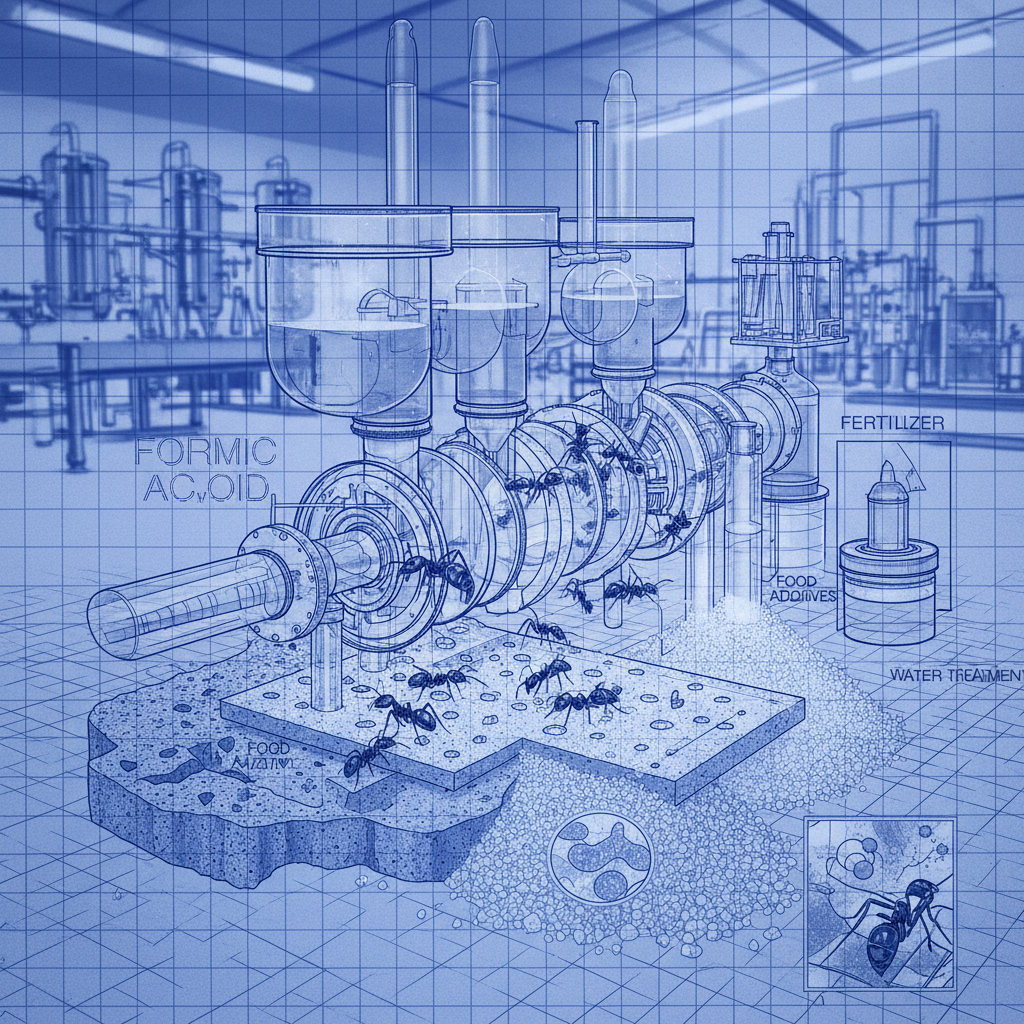
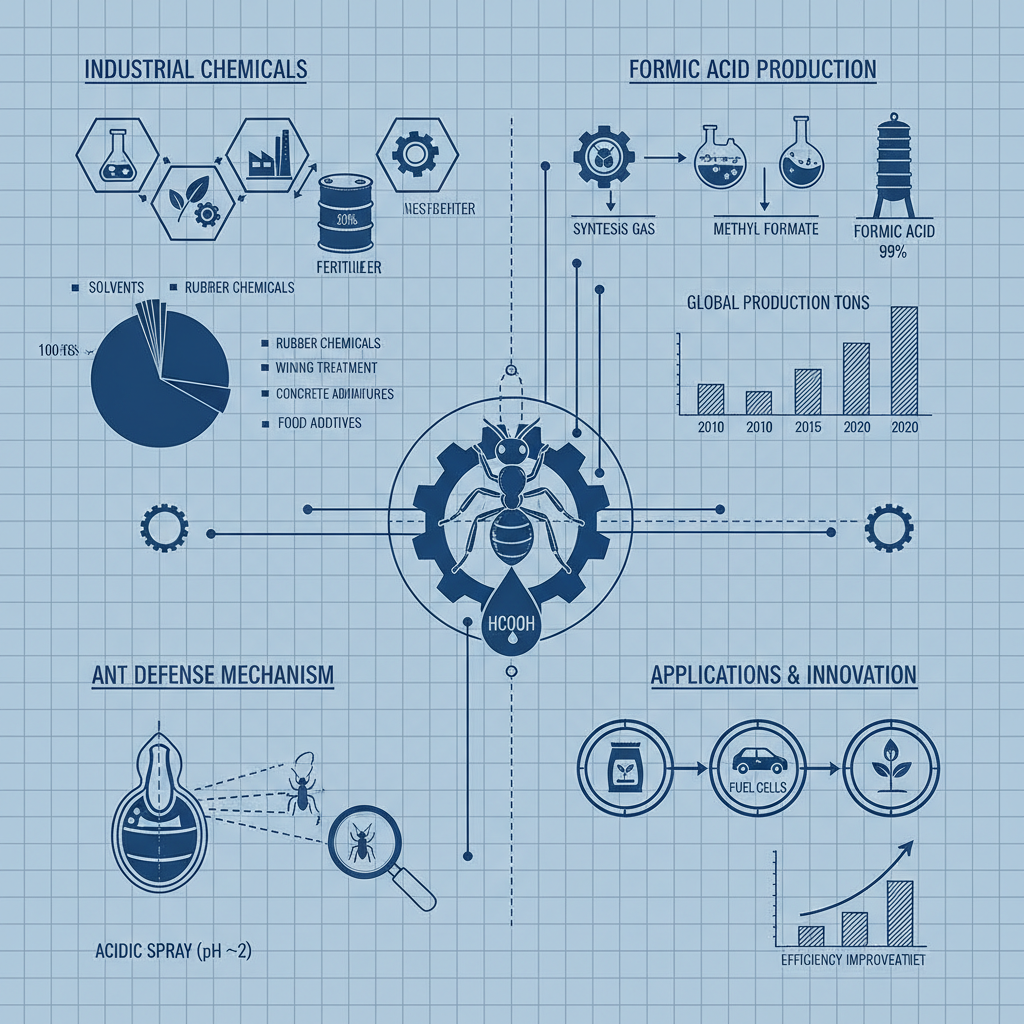
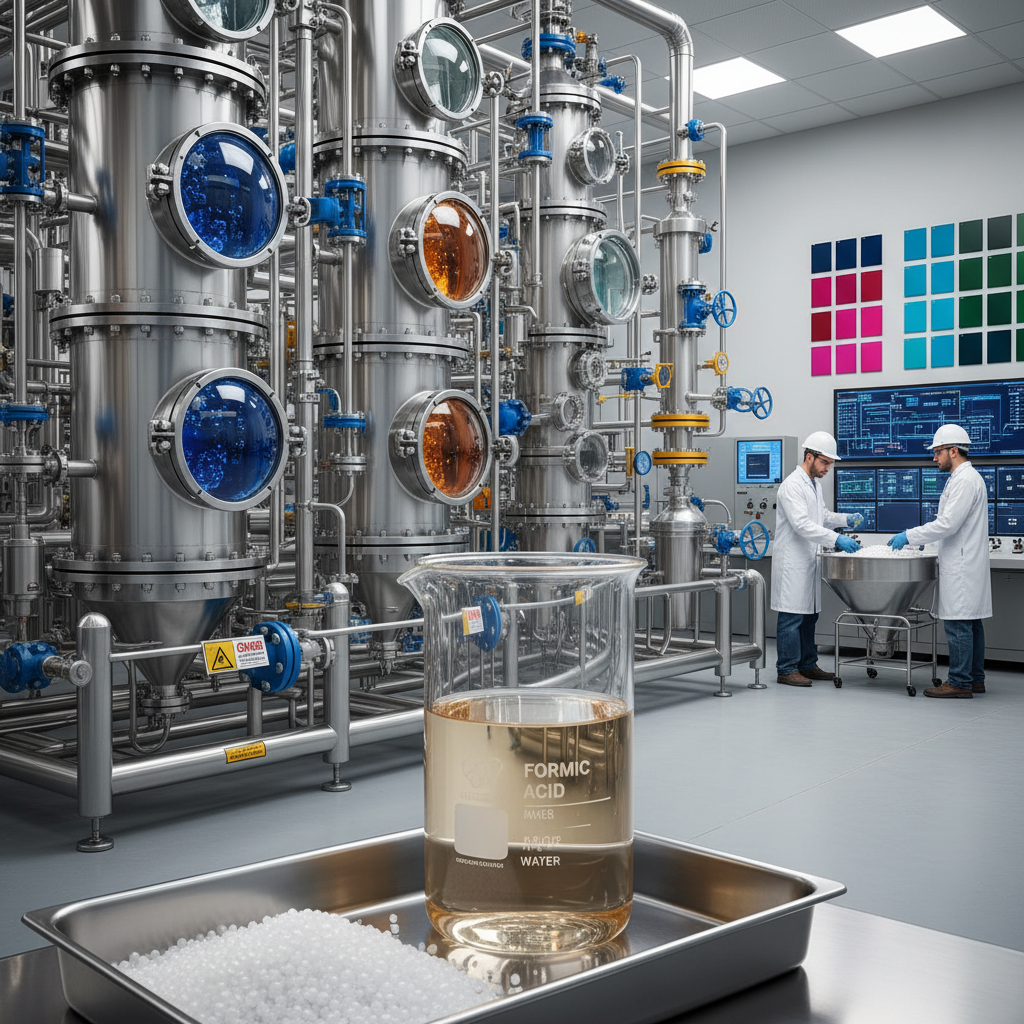
The biological synergy between ants and formic acid represents one of nature's most sophisticated chemical defense mechanisms, offering a blueprint for modern synthetic chemistry. Formic acid, the simplest carboxylic acid, is synthesized by various ant species to act as a potent pheromone, a defensive weapon, and a tool for colony communication. Understanding this relationship allows industrial chemists to refine the production of high-purity formic acid for a multitude of commercial applications.
Globally, the demand for formic acid has surged as industries pivot toward biodegradable and less toxic alternatives to traditional mineral acids. From the livestock sector, where it serves as a critical silage preservative, to the textile industry, where it aids in dyeing and finishing, the versatility of this organic compound is unmatched. The biological efficiency of how ants manage this corrosive substance provides invaluable insights into stabilization and storage techniques used in the chemical manufacturing sector.
By exploring the intersection of biological synthesis and industrial production, we can appreciate how the chemical properties inherent in ants and formic acid contribute to sustainable development. Whether it is enhancing the quality of leather tanning or optimizing food additives, the application of formic acid continues to drive innovation across the global supply chain, bridging the gap between natural evolution and human ingenuity.
Biological Synthesis of Formic Acid in Ants
The biological production of formic acid within the metapleural glands of ants is a marvel of evolutionary chemistry. Unlike industrial synthesis, which often relies on carbon monoxide and methanol, ants utilize a biological pathway that converts amino acids and other precursors into a concentrated acid solution. This natural process allows the colony to maintain a ready supply of chemical weaponry that is both effective against predators and essential for trail marking.
Studying the relationship between ants and formic acid reveals how organisms can handle extremely corrosive materials without self-injury. This involves specialized membrane structures and pH-regulating proteins that prevent the acid from damaging the ant's own tissues, providing a theoretical foundation for creating more resilient industrial coatings and storage containers for chemical agents.
Chemical Properties and Industrial Standards
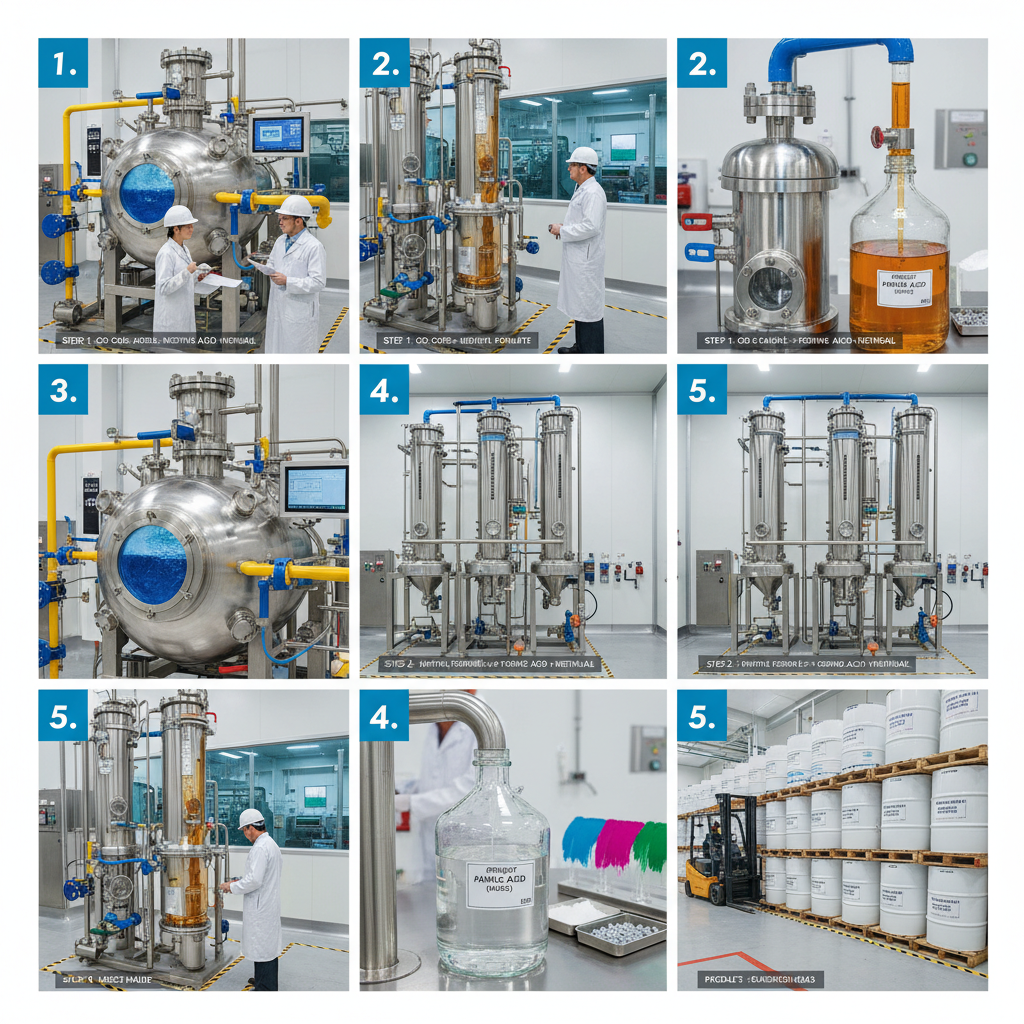
Formic acid (HCOOH) is characterized by its strong acidity and its ability to act as both a reducing and an oxidizing agent. In the industrial sphere, the purity of the acid is paramount; technical grade formic acid is typically supplied in concentrations of 85% to 99%, depending on the end-use application. The volatility of the compound requires strict adherence to ISO standards for transport and storage to prevent premature degradation.
When compared to other organic acids, the unique structure of formic acid—containing only one carbon atom—makes it exceptionally reactive. This reactivity is precisely why it is sought after in the rubber industry for coagulation and in the textile industry for pH adjustment. The balance between its potency and its volatility defines the logistical challenges and the commercial value of the product.
Maintaining consistent quality control is essential for manufacturers. The presence of impurities, such as formic salts or metallic residues, can significantly alter the efficacy of the acid in sensitive applications like food preservation. Consequently, advanced chromatography and titration methods are employed to ensure that the synthetic version of the chemical found in ants and formic acid meets rigorous global safety and performance benchmarks.
Core Applications in Global Manufacturing
In the realm of agriculture, the application of formic acid is indispensable for livestock feed preservation. By rapidly lowering the pH of silage, it inhibits the growth of mold and unwanted bacteria, ensuring that nutrient density is maintained over long periods. This prevents spoilage and enhances the overall health of livestock, showcasing a practical leap from the defensive mechanisms of ants and formic acid to large-scale food security solutions.
Beyond agriculture, the leather industry relies heavily on formic acid for the "pickling" process. It helps in adjusting the pH of hides to allow for the effective penetration of tanning agents. This chemical precision ensures that leather remains supple and durable, illustrating how the pungent acid utilized by insects becomes a cornerstone of luxury goods manufacturing globally.
The chemical industry also utilizes this compound as a catalyst and a raw material for the production of other chemicals, such as formic esters. In the textile sector, it serves as a decalcifying agent and a dyeing assistant. The versatility of ants and formic acid thus extends from the microscopic needs of a colony to the macroscopic needs of the global economy.
Comparative Efficiency of Formic Acid Variants
Depending on the specific industrial requirement, different concentrations and formulations of formic acid are utilized. High-concentration variants are preferred for rapid pH adjustment and intensive chemical synthesis, while diluted versions are more common in livestock additives to prevent mucosal irritation in animals. The efficiency of these variants is measured by their reaction speed and their cost-to-performance ratio.
To better understand the performance of various formic acid delivery systems, we analyze their efficacy across different industrial benchmarks. Whether utilizing pure synthetic methods or bio-derived precursors, the objective remains the same: achieving maximum stability with minimal environmental footprint.
Industrial Efficiency of Formic Acid Application Methods
Environmental Impact and Biodegradability
One of the most significant advantages of formic acid is its exceptional biodegradability. Unlike synthetic halogenated acids, the compound found in ants and formic acid breaks down naturally in the environment into water and carbon dioxide. This makes it an ideal choice for "green" chemistry initiatives, reducing the long-term chemical load on soil and groundwater systems.
Furthermore, the shift toward bio-based formic acid production is reducing the industry's reliance on fossil-fuel-derived carbon monoxide. By integrating renewable feedstocks, manufacturers can lower the carbon footprint of their operations while maintaining the same potent chemical properties. This transition aligns with global sustainability goals and the growing consumer demand for eco-friendly industrial processes.
Safety Protocols for Handling Corrosive Acids
Given its corrosive nature, the handling of formic acid requires stringent safety protocols to protect workers and the environment. Proper Personal Protective Equipment (PPE), including acid-resistant gloves, face shields, and specialized aprons, is non-negotiable. Because the acid can cause severe chemical burns and respiratory irritation, facilities must be equipped with high-efficiency ventilation systems and emergency eye-wash stations.
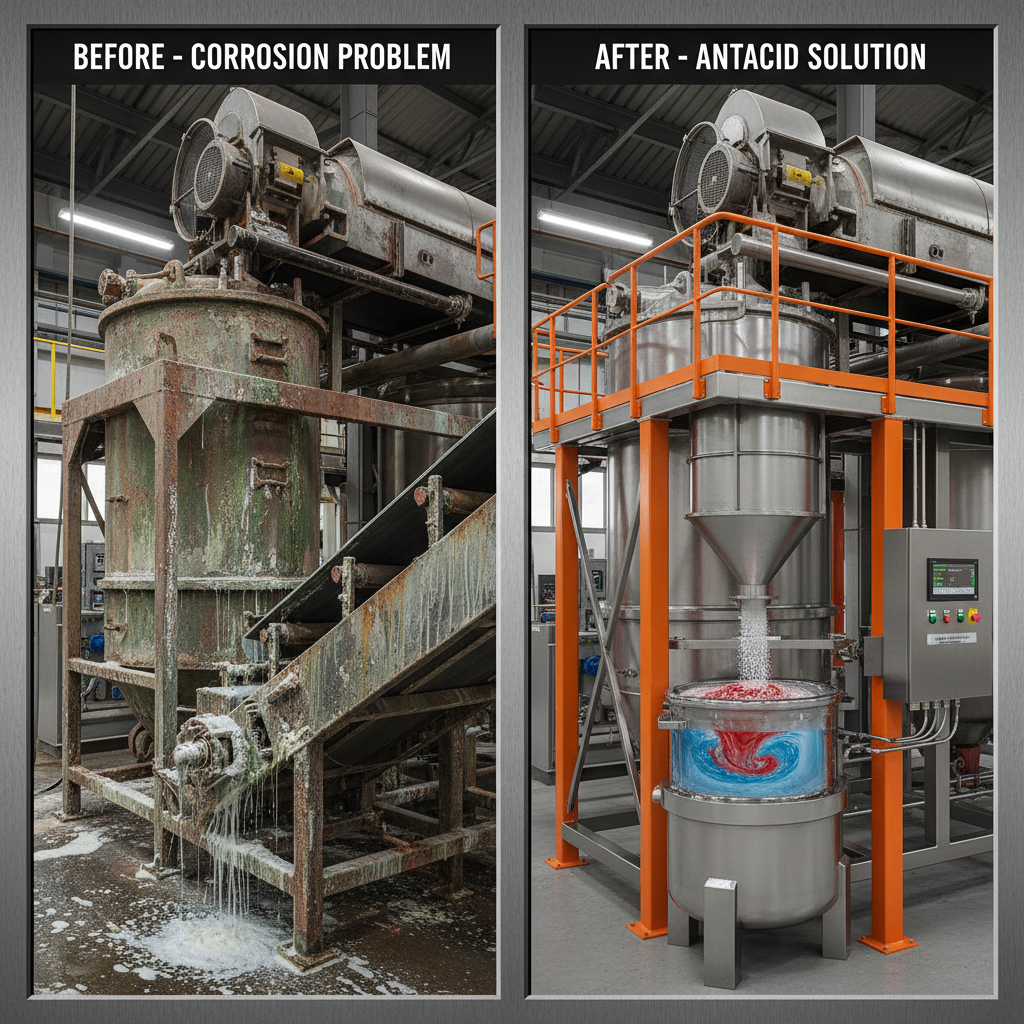
Storage is equally critical; formic acid must be kept in containers made of materials that resist corrosion, such as high-density polyethylene (HDPE) or specially lined stainless steel. Storing the acid away from strong bases and oxidizing agents prevents dangerous exothermic reactions. These safety measures ensure that the potency of the chemical—much like the concentrated reserves in ants and formic acid—is managed safely.
Employee training programs focusing on spill containment and neutralization techniques (using sodium bicarbonate, for example) are essential. By fostering a culture of safety, companies can leverage the industrial power of organic acids while eliminating the risks associated with their corrosive properties.
Future Innovations in Organic Acid Production
The future of organic acid synthesis is moving toward the integration of biotechnology and electrochemistry. Researchers are currently developing microbial fuel cells that can produce formic acid as a byproduct of carbon capture, effectively turning atmospheric CO2 into a valuable industrial asset. This "circular" approach mirrors the efficiency seen in ants and formic acid, where nature converts simple biological precursors into complex tools.
Digital transformation is also playing a role through the use of AI-driven process optimization. By utilizing real-time sensors and machine learning, chemical plants can now adjust reaction parameters instantly to maximize yield and minimize waste. This precision manufacturing ensures that the production of formic acid becomes more cost-effective and less energy-intensive.
As we look toward a post-petrochemical era, the role of organic acids as hydrogen carriers is gaining traction. Formic acid can store hydrogen in a liquid state and release it upon demand, offering a safe and efficient method for powering fuel-cell vehicles. This innovation transforms a simple biological defense mechanism into a key component of the global energy transition.
Comparative Analysis of Formic Acid Production and Utility
| Production Method |
Environmental Impact |
Primary Industrial Use |
Efficiency Score (1-10) |
| Biological (Ant-inspired) |
Very Low |
Pheromone/Defense |
9 |
| Methyl Formate Hydrolysis |
Moderate |
Leather Tanning |
8 |
| Carbon Monoxide Synthesis |
High |
Industrial Catalyst |
10 |
| Electro-chemical Reduction |
Low |
Hydrogen Storage |
7 |
| Bio-fermentation |
Very Low |
Food Additives |
6 |
| Atmospheric Carbon Capture |
Negative |
Sustainable Fuel |
5 |
FAQS
Formic acid provides a perfect balance of volatility and corrosiveness. Its small molecular size allows it to penetrate the exoskeletons of predators quickly, while its volatility ensures it can act as an effective airborne pheromone for communication. This makes the combination of ants and formic acid a highly efficient biological tool for survival and colony organization.
Yes, chemically they are identical. In fact, industrial synthetic formic acid is often more effective for large-scale applications because it can be produced at specific purities (up to 99%) that are not possible in nature. This allows for precise dosing in industries like leather tanning and livestock feed preservation.
Formic acid works by rapidly lowering the pH of the silage to a level where spoilage-causing bacteria and molds cannot survive. This acidification process stabilizes the feed, prevents nutrient loss, and ensures that the fodder remains palatable and safe for livestock over several months.
The primary risks are chemical burns to the skin and eyes, and respiratory distress if the fumes are inhaled. Because it is highly corrosive, any leak can quickly damage equipment and endanger personnel. Rigorous use of PPE and specialized ventilation is required to mitigate these risks.
Yes, formic acid is being researched as a liquid organic hydrogen carrier (LOHC). It can store hydrogen atoms safely and release them via a catalyst to power fuel cells. This solves the problem of hydrogen's low density and high volatility during transport.
Formic acid is a stronger acid than acetic acid and has a simpler structure. This makes it more reactive and effective as a reducing agent. While acetic acid is common in food (vinegar), formic acid is preferred in heavy industrial processes like rubber coagulation and leather pickling due to its higher potency.
Conclusion
The intricate relationship between ants and formic acid serves as a powerful reminder of how biological evolution can inspire industrial innovation. From its role as a natural defense mechanism to its application in livestock preservation, leather tanning, and sustainable energy, formic acid has proven to be an indispensable tool in the modern chemical arsenal. Its unique combination of high reactivity, strong acidity, and excellent biodegradability makes it a superior choice for industries striving for both efficiency and environmental responsibility.
Looking forward, the shift toward bio-based production and carbon-capture synthesis will further enhance the sustainability of organic acids. As we integrate AI and biotechnology into the manufacturing process, we can expect even higher purity and lower environmental costs. For businesses seeking reliable, high-quality chemical solutions, embracing these innovations is key to maintaining a competitive and sustainable edge. Visit our website for more professional chemical solutions: www.tengerchemical.com