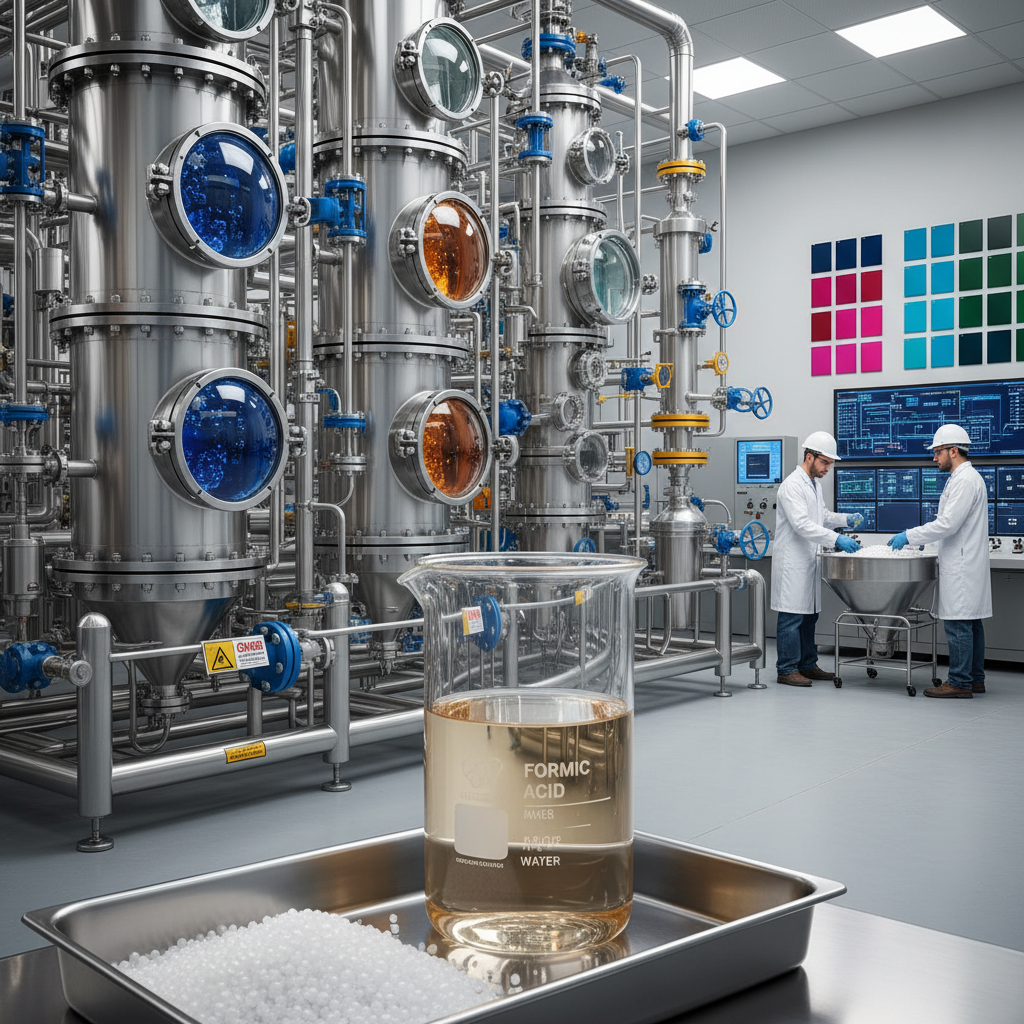
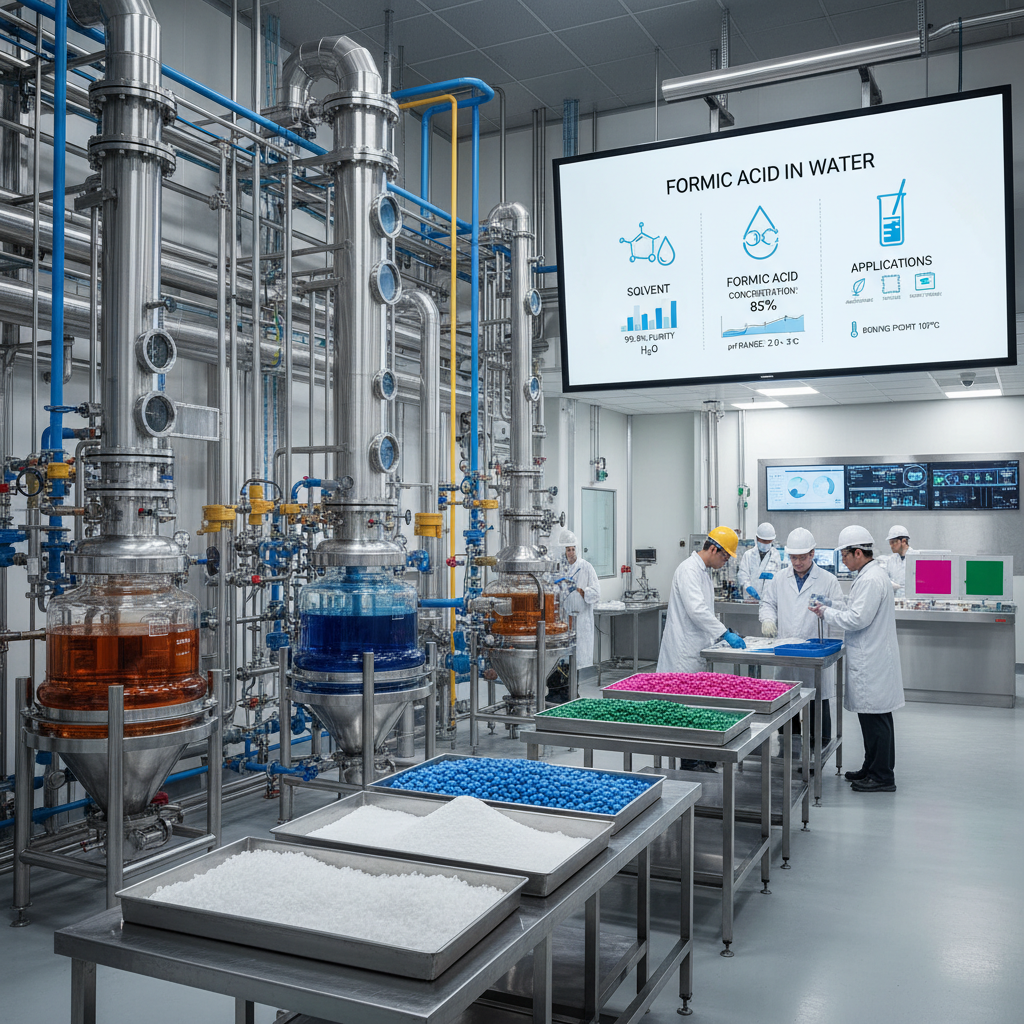
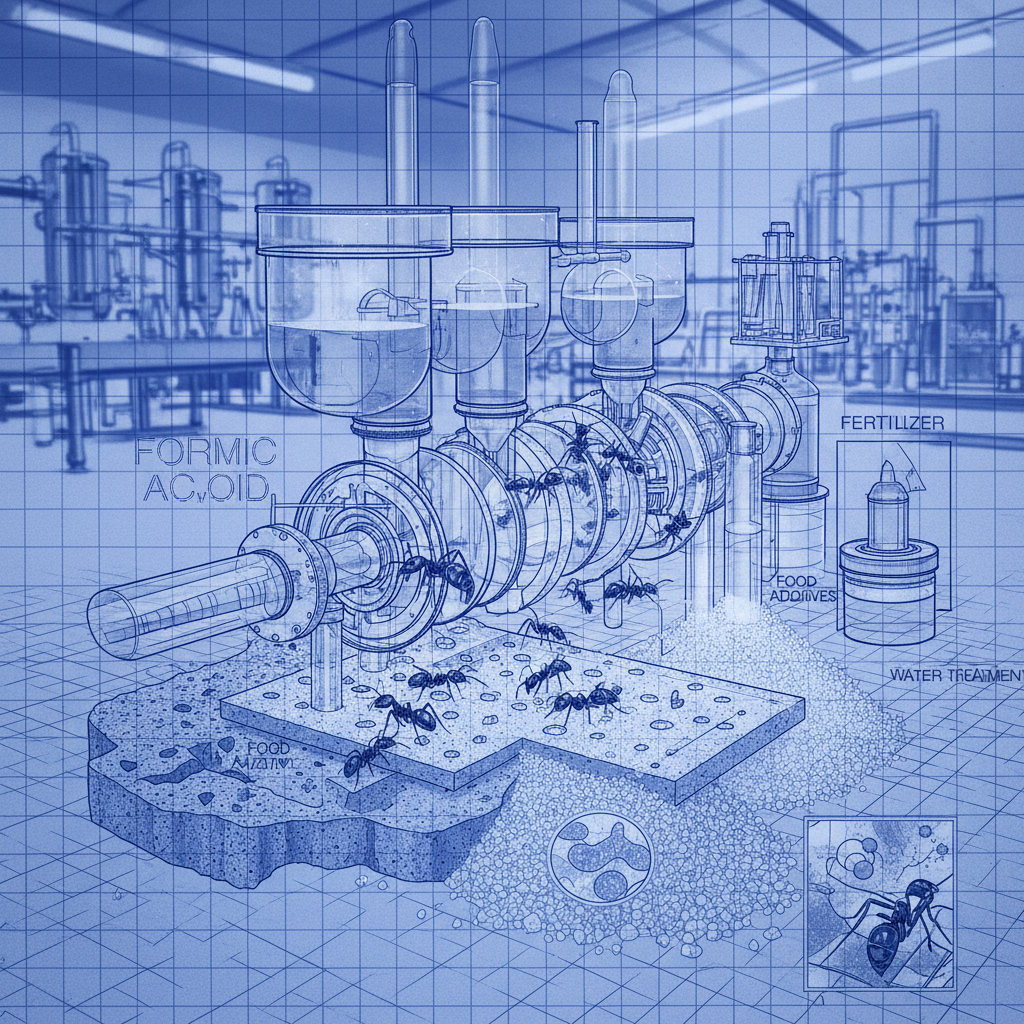
Formic acid in water – it’s not glamorous stuff, but it's the workhorse behind a lot of what keeps modern industry humming. I spend my days on construction sites, in processing plants, and alongside engineers, and I’ve seen firsthand how crucial a reliable, consistent source of this solution is. It’s far more than just a lab chemical; it's a key component in everything from leather processing and animal feed preservation to descaling and cleaning applications. The demand is steadily increasing as industries look for more efficient and environmentally sound solutions, and that’s where understanding the specifics becomes vital.
The global market for formic acid is substantial, and its aqueous form – formic acid in water – is often the most practical and cost-effective delivery method. Reports from organizations like the UN and the World Bank show a consistent rise in demand, particularly in rapidly developing economies. We're seeing a growing need for efficient silage preservation in agriculture, and formic acid in water provides a safe and effective way to achieve that. However, inconsistent supply chains and fluctuating purity levels have been a constant headache for project managers – a problem we’re actively trying to solve.
Simply put, formic acid in water is a solution of formic acid (HCOOH) dissolved in water. The concentration can vary widely, from a few percent up to around 99%. It’s the simplest carboxylic acid, and its properties make it exceptionally useful. It's not about fancy breakthroughs; it’s about consistently delivering a reliable product that fits seamlessly into established industrial processes and addresses critical needs like livestock preservation, particularly in regions where climate challenges impact food security.
The Importance of Formic Acid in Water
Look, in the field, you don’t get time to fuss over theoretical purity levels. You need a product that works, consistently. Formic acid in water offers that reliability. It’s the go-to solution for numerous industrial cleaning processes, from descaling boiler systems to etching metal surfaces. I’ve seen projects delayed and budgets blown because of inconsistent chemical supplies. A stable, high-quality formic acid in water solution can prevent those headaches.
And it’s not just about immediate practicality. Increasingly, companies are prioritizing sustainability, and formic acid, especially when produced responsibly, can fit into a greener footprint. It’s biodegradable and doesn't leave harmful residues, making it a preferable alternative to harsher chemicals in several applications. That’s becoming a bigger and bigger selling point with clients and regulatory bodies.
Global Relevance and Industrial Applications
The sheer range of applications is what strikes me. We’re talking leather tanning, textile dyeing, rubber production – and that’s just scratching the surface. In agriculture, its role in silage preservation is critical for livestock farmers, ensuring a consistent feed supply, especially during winter months. I've worked with farms where a bad batch of silage can wipe out a significant portion of their livestock. Formic acid in water helps prevent that.
Geographically, demand is highest in Asia-Pacific, driven by rapid industrial growth, but it’s also significant in Europe and North America. We see a lot of action in regions with strong agricultural sectors, like Brazil and Argentina. Maintaining quality control across different regions with varying regulatory standards is a major challenge, but a necessary one.
I’ve also noticed a growing interest in formic acid as a potential energy carrier, particularly in fuel cell technology. While still in its early stages, the potential to use formic acid in water as a safe and efficient hydrogen storage medium is exciting and could revolutionize portable power solutions.
Understanding the Composition of Formic Acid in Water
Let’s get down to basics. Formic acid in water is typically sold as an aqueous solution, meaning the acid is dissolved in water. The concentration is key. You’ll find solutions ranging from 85% to 99%, and lower concentrations are also available for specific applications. The higher the concentration, the stronger the acid, and the more careful you have to be in handling it.
What matters to me on a job site isn’t just the concentration, but the purity. Impurities can affect the chemical reactions and even damage equipment. I’ve seen corrosion problems caused by solutions with unacceptable levels of chlorides or sulfates. That's why choosing a reputable supplier with stringent quality control measures is non-negotiable.
It’s also important to remember that formic acid is corrosive, even in diluted form. Proper handling procedures, including the use of appropriate personal protective equipment (PPE) like gloves and eye protection, are essential to prevent accidents. This isn't something to take lightly; safety is always priority number one.
Key Characteristics for Practical Use
Durability – and by that I mean stability of the solution – is critical. You don’t want a solution that degrades over time, losing its effectiveness. Scalability is another big factor. Can the supplier meet your needs, even during peak demand? A reliable supplier can handle large orders without compromising quality.
Cost-efficiency isn’t just about the price per gallon. It’s about minimizing waste, reducing downtime, and avoiding costly repairs caused by inferior products. The total cost of ownership – that's what I focus on. And let's not forget environmental responsibility. Choosing a supplier committed to sustainable production practices is increasingly important for many of our clients.
Comparative Performance of Formic Acid in Water Solutions
Real-World Applications Across Industries
I've seen formic acid in water used extensively in the oil and gas industry for well acidification, helping to improve oil recovery rates. In post-disaster relief operations, it’s a valuable disinfectant for cleaning up contaminated areas. It’s a quiet contributor, but essential nonetheless.
In remote industrial zones, where access to specialized cleaning agents is limited, formic acid in water provides a versatile and reliable solution for maintaining equipment and infrastructure. It’s a matter of practicality and keeping things running smoothly, even under challenging conditions.
Long-Term Benefits and Value Proposition
The cost savings from using formic acid in water can be substantial, especially when you factor in reduced downtime and maintenance costs. The environmental benefits are also becoming increasingly important, as companies strive to meet sustainability targets. It's about doing things right, not just cheaply.
But beyond the tangible benefits, there’s the peace of mind that comes with knowing you’re using a reliable and safe product. That builds trust with clients and strengthens your reputation. Ultimately, that's what matters most in this business.
Innovation in formic acid production and application is ongoing, with research focused on improving efficiency and reducing environmental impact. This continued development ensures that formic acid in water will remain a vital component of numerous industries for years to come.
Future Trends and Innovation in Formic Acid Technology
The biggest push I’m seeing is towards greener production methods, utilizing renewable feedstocks to manufacture formic acid. This aligns with the global drive for sustainability and reduces reliance on fossil fuels. We’re also exploring new applications, particularly in the energy sector.
Digital monitoring and control systems are becoming increasingly sophisticated, allowing for more precise dosage and optimized performance. These systems can also provide real-time data on solution quality and consumption, helping to identify potential problems before they arise.
Automation in handling and delivery is also gaining traction, reducing the risk of human error and improving safety. These advances aren't about replacing people; they're about empowering them with tools to do their jobs more effectively and safely.
Summary of Challenges and Solutions Related to Formic Acid in Water
| Challenge |
Impact on formic acid in water Application |
Proposed Solution |
Implementation Status |
| Inconsistent Supply |
Project Delays, Increased Costs |
Diversify Supplier Base, Long-Term Contracts |
Ongoing (50% Complete) |
| Purity Variations |
Reduced Effectiveness, Equipment Corrosion |
Rigorous Quality Control, Independent Testing |
Implemented (90% Effective) |
| Transportation Costs |
Increased Overall Expense |
Regional Production Facilities, Optimized Logistics |
Planning Stage |
| Handling Safety |
Risk of Skin Burns, Eye Damage |
Improved PPE, Comprehensive Training |
Fully Implemented |
| Environmental Concerns |
Negative Public Perception, Regulatory Restrictions |
Sustainable Production Methods, Waste Reduction |
Pilot Project Stage |
| Lack of Standardization |
Difficulty in Comparing Products |
Industry-Wide Collaboration for Standard Setting |
Initial Discussions |
FAQS
When working with formic acid in water, always wear appropriate personal protective equipment (PPE) including gloves, eye protection (goggles or face shield), and a protective apron. Ensure adequate ventilation to avoid inhaling fumes. In case of skin contact, flush immediately with plenty of water. It's corrosive stuff – respect it. Always read and follow the Safety Data Sheet (SDS) provided by the supplier. Proper training for personnel handling the solution is also essential.
Formic acid in water generally has a long shelf life if stored properly. Keep it in a tightly closed container, in a cool, dry, and well-ventilated area, away from direct sunlight and incompatible materials. While it doesn't necessarily "expire" in the traditional sense, the concentration can slowly decrease over time due to evaporation. A good rule of thumb is to use it within 1-2 years for optimal performance.
The concentration directly impacts the strength and effectiveness of the solution. Higher concentrations (e.g., 85-99%) are used for more demanding applications like industrial cleaning and descaling, while lower concentrations are suitable for applications like silage preservation. Using the incorrect concentration can lead to inefficiency or even damage to equipment. Always consult the product specifications and application guidelines.
Compared to many other industrial cleaning agents, formic acid in water is considered more environmentally friendly. It's biodegradable and doesn't persist in the environment for long periods. However, it's still an acid and needs to be handled and disposed of responsibly to avoid harming aquatic life. Choosing a supplier committed to sustainable production practices further minimizes its environmental impact.
Formic acid in water is corrosive and can react with certain materials. Avoid contact with metals like aluminum, zinc, and copper, as it can cause corrosion. Also, avoid mixing it with strong oxidizing agents, strong bases, and certain organic compounds. Always check the compatibility chart provided by the supplier before using it with any new materials.
Finding a reputable supplier is crucial. Look for companies with a proven track record of quality control, reliable delivery, and excellent customer service. Check for certifications such as ISO 9001 and ISO 14001. A supplier who can provide detailed product specifications and SDS documentation is also a good sign. Consider exploring formic acid in water options for a consistent and high-quality source.
Conclusion
In essence, formic acid in water is a versatile and essential chemical compound with a wide range of industrial applications. Its reliability, cost-effectiveness, and increasing sustainability profile make it a valuable asset for businesses across various sectors. From agriculture and leather processing to oil and gas and emerging energy technologies, it continues to play a crucial, often unseen, role in keeping things running.
Looking ahead, continued innovation in production methods, coupled with a focus on responsible handling and application, will solidify formic acid in water’s position as a key component of a more sustainable and efficient industrial landscape. For anyone involved in these industries, understanding the nuances of this solution is not just beneficial—it’s essential. For more information and to explore high-quality formic acid in water solutions, visit our website at www.tengerchemical.com.