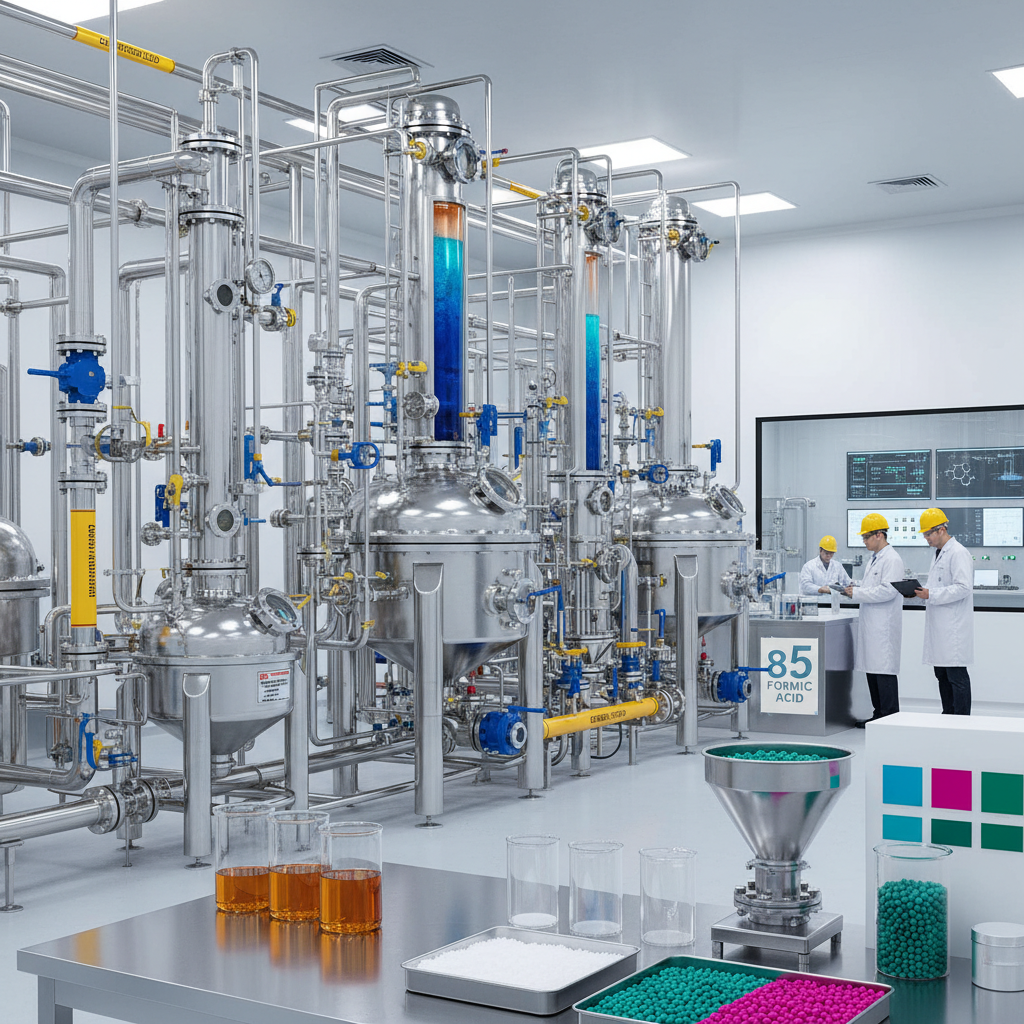
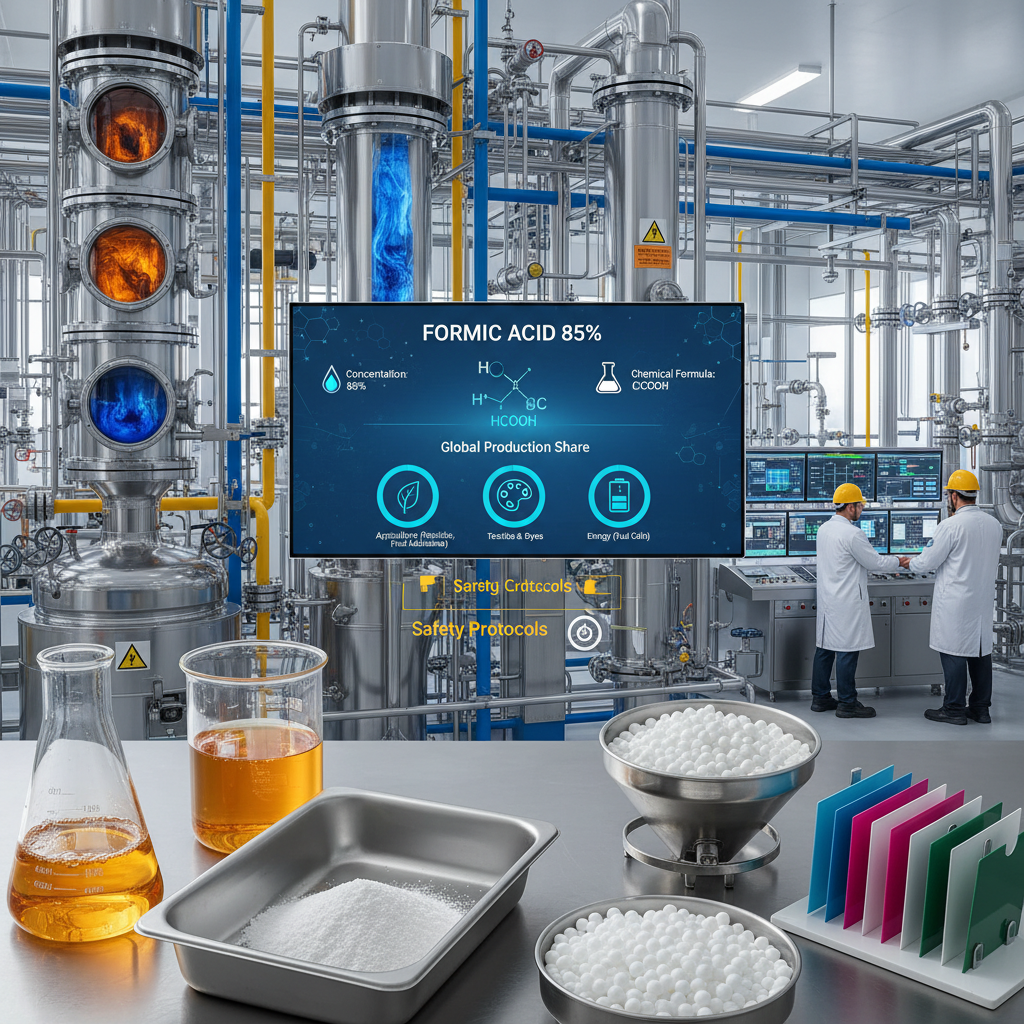
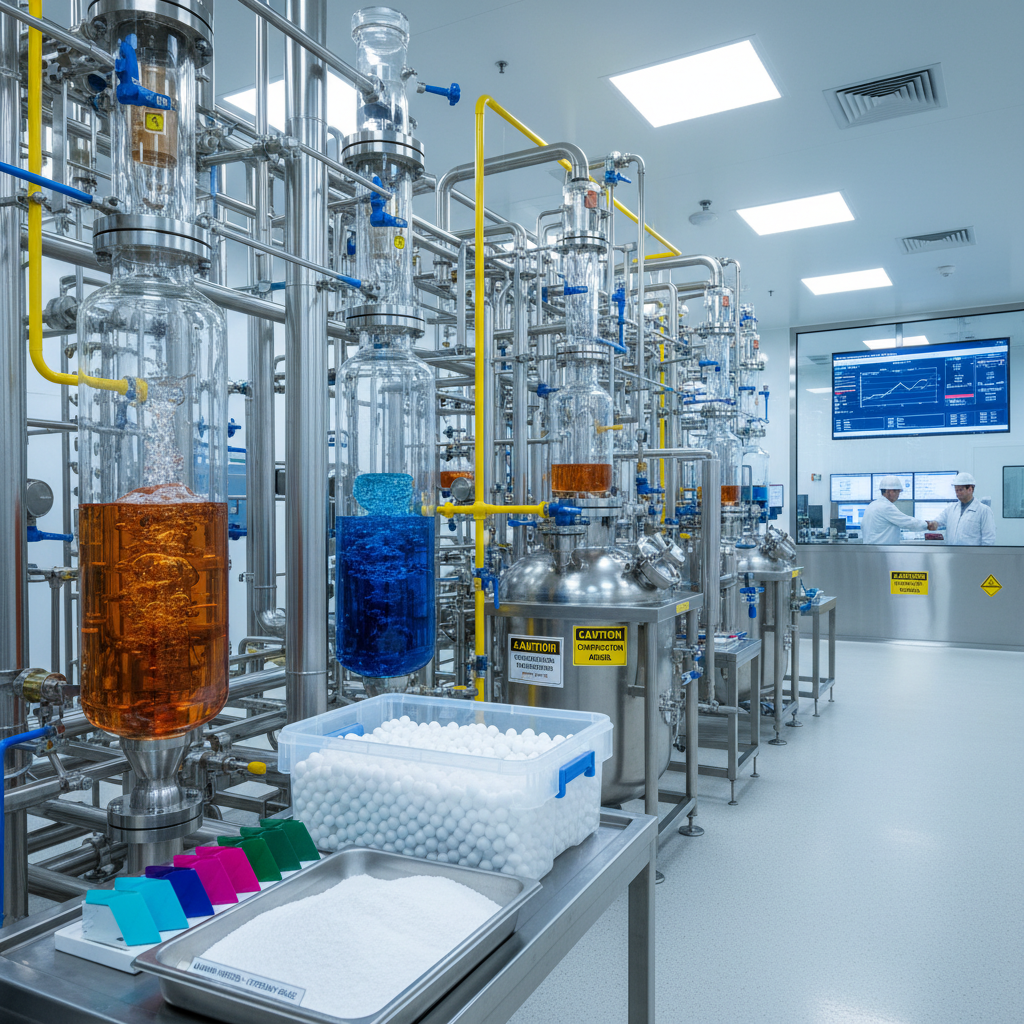
In the complex landscape of industrial chemistry, 85 formic acid stands as a pivotal reagent, bridging the gap between basic chemical synthesis and high-performance industrial applications. Its unique molecular structure allows it to function as both a powerful reducing agent and a versatile solvent, making it indispensable in sectors ranging from textile processing to advanced leather tanning.
The global demand for high-purity organic acids has surged as industries shift toward more efficient and environmentally conscious production methods. Understanding the precise concentration and chemical behavior of 85 formic acid is critical for engineers and procurement specialists who aim to optimize reaction yields while minimizing waste and corrosive wear on infrastructure.
From the stabilization of livestock feed to the synthesis of complex pharmaceutical intermediates, this compound provides a balance of reactivity and stability. By exploring the technical nuances of its application, businesses can unlock significant operational efficiencies, ensuring that their chemical processes are not only productive but also sustainable in the long term.
Global Industrial Relevance of 85 Formic Acid
On a global scale, 85 formic acid is recognized as a cornerstone of the base chemical industry. Market data indicates that the transition toward biodegradable preservatives and efficient tanning agents has placed this specific concentration at the forefront of the supply chain, particularly in the Asia-Pacific and European manufacturing hubs.
The challenge facing modern manufacturers is the volatility of raw material purity. By utilizing a standardized 85% concentration, industries can ensure consistent pH control and reaction kinetics, which are essential for meeting ISO quality standards and reducing the risk of batch failure in large-scale synthesis.
Technical Definition and Chemical Essence
In simple terms, 85 formic acid is a concentrated solution of methanoic acid in water. It is the simplest carboxylic acid, characterized by its pungent odor and strong acidity, which allows it to penetrate surfaces and react efficiently with various organic and inorganic substrates.
Beyond its basic chemistry, it serves as a critical link in humanitarian and industrial needs, such as the preservation of silage for food security in agriculture. Its ability to inhibit the growth of molds and bacteria makes it a vital tool in ensuring that livestock feed remains nutritious and safe during long-term storage.
In the context of synthetic resins and plastics, it acts as a catalyst and pH regulator, ensuring that polymerization occurs at the correct rate and resulting in materials with the desired durability and flexibility.
Core Components of Performance Efficiency
One of the primary drivers of efficiency when using 85 formic acid is its chemical stability. At this concentration, the acid provides a potent yet manageable level of reactivity, allowing for precise titration in laboratory and industrial settings without the extreme volatility of higher concentrations.
Cost-Effectiveness is another critical factor. The 85% grade minimizes shipping costs by reducing the amount of water transported compared to lower concentrations, while avoiding the specialized, ultra-expensive containment systems required for anhydrous forms. This makes it the most economically viable choice for high-volume industrial users.
Furthermore, its scalability in production allows it to be used in everything from small-scale pharmaceutical labs to massive textile dyeing plants. Its compatibility with most stainless steel and polymer-lined equipment ensures that scaling up production does not require a complete overhaul of existing plant infrastructure.
Real-World Global Applications
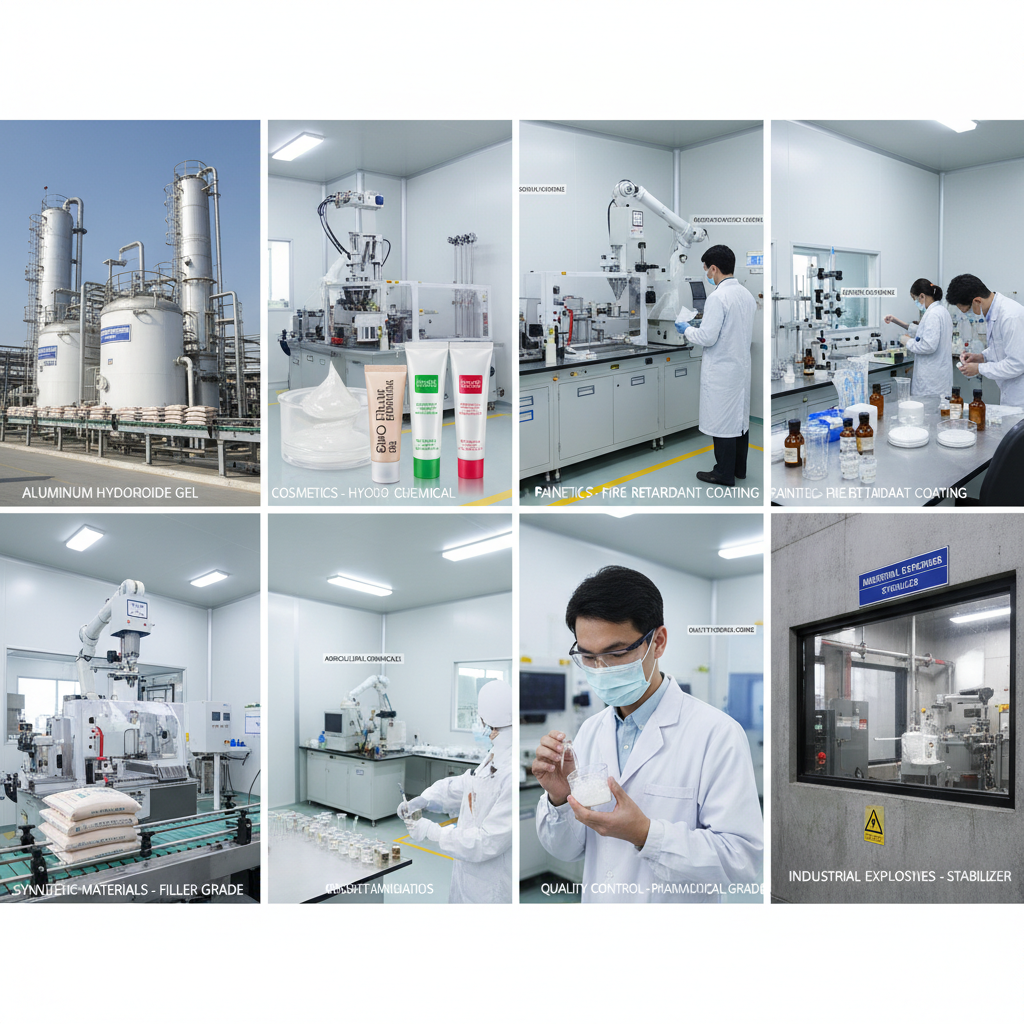
The application of 85 formic acid is diverse and widespread. In the leather industry, it is used as a neutralizing agent during the tanning process, ensuring that the leather achieves the perfect softness and color absorption. This is particularly prevalent in Italian and Brazilian leather hubs.
In remote industrial zones, it is often utilized in mining operations for the leaching of certain ores, providing a more environmentally friendly alternative to harsher mineral acids. Additionally, it is used in the production of rubber chemicals to enhance the vulcanization process, improving the elasticity of automotive tires.
Application Efficiency of 85 Formic Acid Variants
Long-Term Strategic Value and Advantages
The long-term value of adopting high-quality 85 formic acid lies in its sustainability profile. As a biodegradable organic acid, it reduces the environmental footprint of chemical plants compared to synthetic alternatives, aiding companies in achieving their ESG (Environmental, Social, and Governance) targets.
Beyond the ecological benefits, there is a profound logical advantage in reliability. Using a consistent, high-purity grade ensures that safety protocols remain standardized across a facility, reducing the risk of accidents and fostering a culture of trust and innovation among the technical staff.
Future Innovations in Organic Acid Synthesis
The future of 85 formic acid is being shaped by the rise of green chemistry. Researchers are currently developing methods to produce formic acid from captured CO2, turning a greenhouse gas into a valuable industrial feedstock. This circular economy approach will likely revolutionize the cost structure of the acid.
Digital transformation is also playing a role, with automated dosing systems using real-time sensors to optimize the concentration of the acid in reaction vessels. This minimizes waste and maximizes the purity of the final product, whether it be a pharmaceutical intermediate or a high-grade solvent.
Furthermore, the integration of AI-driven molecular modeling is helping scientists discover new catalysts that can utilize 85 formic acid more efficiently, opening doors to new materials in the synthetic resin and plastics sector.
Overcoming Challenges in Chemical Handling
Despite its benefits, the corrosive nature of 85 formic acid presents significant handling challenges. Improper storage can lead to container degradation and hazardous leaks, requiring strict adherence to material compatibility charts and the use of HDPE or specialized stainless steel alloys.
To overcome these limitations, many leading firms are implementing closed-loop delivery systems. These systems reduce human exposure to fumes and prevent atmospheric moisture from altering the concentration of the acid, ensuring that the 85% purity is maintained from the factory to the reaction tank.
Expert insights suggest that comprehensive staff training and the implementation of automated leak detection systems are the most effective ways to mitigate risk. By combining high-quality chemical sourcing with advanced safety engineering, the inherent risks of organic acids are effectively managed.
Comparative Analysis of 85 Formic Acid Handling and Performance
| Evaluation Metric |
Standard Grade |
Premium 85% Grade |
Impact on Process |
| Purity Consistency |
Variable (80-85%) |
Strict 85% ±0.5% |
Higher Batch Yield |
| Corrosivity Rate |
Moderate |
Controlled |
Extended Equipment Life |
| Reaction Speed |
Standard |
Accelerated |
Reduced Cycle Time |
| Eco-Footprint |
Medium |
Low (Bio-based) |
Easier Waste Treatment |
| Storage Stability |
6 Months |
12+ Months |
Lower Inventory Loss |
| Cost per Unit |
Low |
Medium |
Better ROI via Quality |
FAQS
The 85% concentration provides the optimal balance between chemical potency and handling safety. It is concentrated enough to minimize shipping costs and maximize reaction speed, yet it avoids the extreme volatility and hazardous storage requirements associated with anhydrous (100%) formic acid, making it the most cost-effective and safe choice for large-scale applications.
Yes, when sourced from a certified manufacturer, 85 formic acid is widely used as a preservative in silage and livestock feed. It works by lowering the pH to inhibit mold and bacterial growth. However, it must be handled with professional equipment to ensure precise dosing and avoid contamination or acidity spikes that could affect animal health.
It should be stored in containers made of high-density polyethylene (HDPE), polypropylene, or high-grade stainless steel (such as 316L). Storage areas must be cool, well-ventilated, and equipped with secondary containment (bunding) to capture potential leaks. Avoiding direct sunlight and moisture prevents the acid from degrading or reacting with the container walls.
Not in all cases. While it is a strong acid, its properties as an organic acid make it a better choice for applications requiring biodegradability or specific reducing capabilities (like leather tanning). Sulfuric acid is a stronger mineral acid and may be required for extremely high-temperature or high-acidity reactions where the organic nature of formic acid would cause it to decompose.
Unlike many mineral acids, 85 formic acid is biodegradable, meaning it breaks down more naturally in the environment. This reduces the toxic load on wastewater treatment plants and makes it a preferred choice for companies pursuing "Green Chemistry" certifications. Its ability to be synthesized from CO2 also offers a pathway to carbon-neutral chemical production.
The most reliable method is through acid-base titration using a standardized sodium hydroxide (NaOH) solution. Additionally, reviewing the Certificate of Analysis (COA) provided by the supplier and performing a refractive index test can quickly confirm if the concentration aligns with the 85% specification before it is introduced into your production line.
Conclusion
In summary, 85 formic acid serves as a vital catalyst for industrial growth, combining high reactivity with an manageable safety profile. Its role in leather tanning, feed preservation, and synthetic material production underscores its versatility and essential nature in the global supply chain. By focusing on purity, precise handling, and sustainable sourcing, manufacturers can leverage this compound to drive both efficiency and environmental responsibility.
Looking forward, the transition toward bio-based production and the integration of smart dosing technologies will further enhance the value of this organic acid. We recommend that industrial procurement officers prioritize suppliers who offer strict purity certifications and comprehensive safety documentation to ensure long-term operational stability. For high-quality chemical solutions and expert guidance, visit our website: www.tengerchemical.com