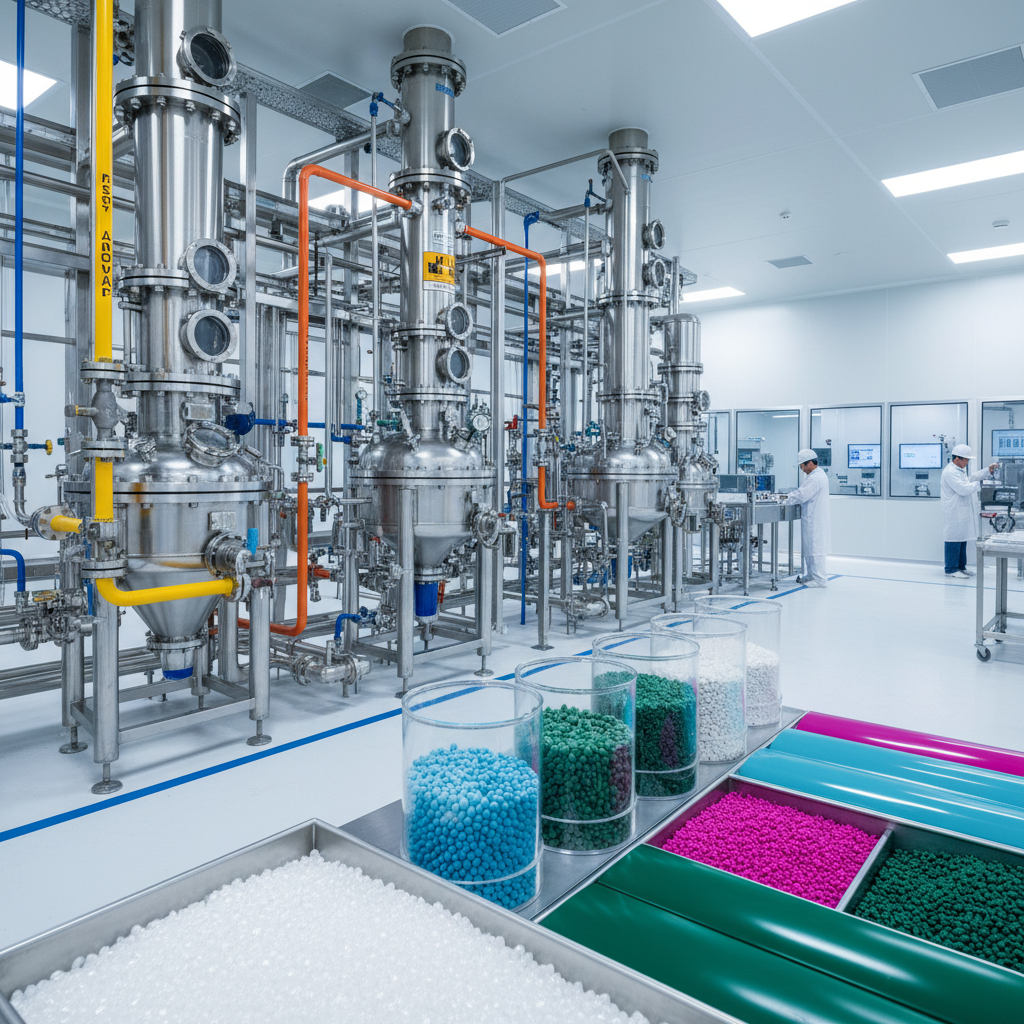
The transition from formic acid to oxalic acid represents a sophisticated pivot in chemical synthesis and industrial application, moving from a simple monocarboxylic acid to a powerful dicarboxylic acid. In the realm of synthetic resins and plastics, this chemical evolution is not merely a change in formula but a strategic upgrade in functionality, allowing manufacturers to achieve higher chelating capabilities and stronger acidity for complex industrial processes.
Understanding the conversion and comparative utility of formic acid to oxalic acid is critical for global supply chains specializing in industrial chemicals and water treatment. As regulatory pressures mount for more efficient and sustainable chemical intermediaries, the ability to leverage the specific properties of oxalic acid—often derived from or conceptually linked to formic acid pathways—becomes a competitive advantage in high-precision manufacturing.
Whether utilized in the purification of rare earth elements or as a critical component in textile processing, the shift from formic acid to oxalic acid offers tangible benefits in terms of reaction kinetics and product stability. This guide explores the technical nuances, global market dynamics, and innovative applications that define this chemical transition in the modern industrial landscape.
Global Context of Formic Acid to Oxalic Acid Transition
On a global scale, the industrial demand for organic acids has seen a significant shift toward higher-purity dicarboxylic acids. The movement from formic acid to oxalic acid is mirrored in the growth of the electronics and pharmaceutical sectors, where precision cleaning and metal precipitation are paramount. According to recent ISO standards for chemical purity, the transition toward oxalic acid is often driven by the need for stronger chelating agents that formic acid simply cannot provide due to its molecular structure.
This shift addresses a critical challenge in the "green chemistry" movement: reducing the waste generated during metal leaching and rust removal. While formic acid is an excellent preservative and pH regulator, the transition to oxalic acid enables the removal of stubborn iron stains and the precipitation of calcium oxalates in water treatment, significantly improving the efficiency of industrial cooling systems across Europe and Asia.
Defining the Chemical Shift from Formic to Oxalic Acid
In simple terms, the transition from formic acid to oxalic acid is a move from a one-carbon acid (HCOOH) to a two-carbon acid (C2H2O4). While formic acid is the simplest carboxylic acid, known for its pungent odor and use in leather tanning, oxalic acid is a stronger organic acid that exists as a diacid. This structural difference means that oxalic acid can form stable complexes with metal ions, a property that makes the formic acid to oxalic acid transition essential for advanced chemical synthesis.
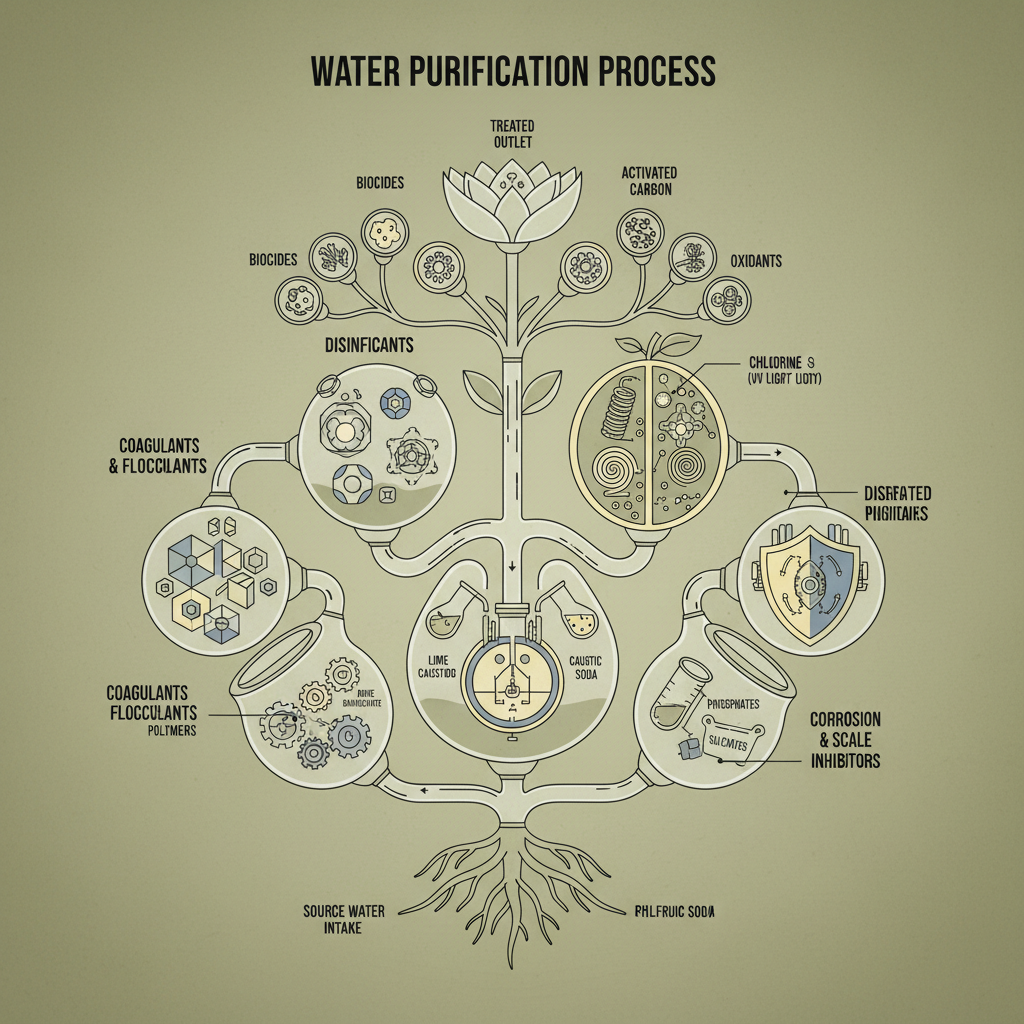
From an industrial perspective, this shift is closely connected to modern humanitarian needs, particularly in water purification and the production of sustainable fertilizers. By upgrading the acidity and chelating power of the process, manufacturers can more effectively remove heavy metal contaminants from industrial wastewater, ensuring that downstream agricultural products are free from toxic residues.
Furthermore, in the context of synthetic resins, the use of oxalic acid over formic acid allows for the creation of cross-linked polymers with higher thermal stability. This chemical evolution ensures that plastics used in harsh industrial environments can withstand higher temperatures and chemical stresses, bridging the gap between basic chemical inputs and high-performance engineered materials.
Core Components Influencing Chemical Conversion
One of the primary factors in the transition from formic acid to oxalic acid is Chelating Efficiency. Oxalic acid possesses the unique ability to bind to metal ions, forming soluble complexes. This makes it far superior to formic acid in applications such as the removal of iron scale in boilers or the polishing of precious metals.
Reaction Kinetics and pH Control play a pivotal role in how industries manage the shift from formic acid to oxalic acid. Because oxalic acid is significantly more acidic (pKa1 ≈ 1.25) compared to formic acid (pKa ≈ 3.75), it allows for faster reaction rates in acidification processes, reducing the residence time required in industrial reactors and increasing overall throughput.
Finally, Cost-to-Performance Scalability is a core driver. While formic acid is often cheaper as a raw material, the higher potency of oxalic acid means that lower concentrations are required to achieve the same result. This efficiency reduces the volume of chemicals transported and stored, lowering the operational risk and environmental footprint associated with the formic acid to oxalic acid application.
Technical Performance and Scalability Metrics
When evaluating the transition from formic acid to oxalic acid, engineers focus on the "efficiency ratio"—the amount of acid required to achieve a specific purity level in metal precipitation. In large-scale operations, the scalability of oxalic acid processes is higher because it minimizes the byproduct formation typically associated with the decomposition of formic acid at high temperatures.
The following data illustrates the comparative performance of various methods used to implement the shift from formic acid to oxalic acid, focusing on yield, stability, and purity levels across different industrial scales.
Comparative Efficiency of Formic Acid to Oxalic Acid Transition Methods
Global Applications of Oxalic Acid Derivatives
The real-world application of the formic acid to oxalic acid shift is most evident in the mining and metallurgy sectors of South America and Africa. In remote industrial zones, oxalic acid is used for the precise precipitation of rare earth metals from leach liquors, a process where formic acid lacks the necessary binding affinity to ensure high recovery rates.
In the textiles industry, particularly in the Asia-Pacific region, the transition is used to neutralize alkaline residues after bleaching. By substituting formic acid with oxalic acid, manufacturers can achieve a more neutral pH more quickly while simultaneously removing residual iron impurities that would otherwise cause yellowing in high-grade fabrics.
Long-Term Value and Sustainability Gains
The long-term value of implementing a formic acid to oxalic acid strategy lies in the intersection of reliability and environmental stewardship. From a logical angle, the reduced volume of chemicals required leads to lower shipping costs and a smaller carbon footprint. From an emotional and safety angle, the ability to more effectively sequester toxic metals provides peace of mind for companies adhering to strict ESG (Environmental, Social, and Governance) criteria.
Moreover, the transition supports innovation in the "closed-loop" economy. Oxalic acid can be recovered and regenerated more efficiently in certain industrial cycles than formic acid, allowing factories to reuse their chemical agents and minimize the discharge of organic acids into local waterways.
Trust in the supply chain is further enhanced when manufacturers can prove that their transition from formic acid to oxalic acid has resulted in a measurable decrease in hazardous waste. This transition isn't just about a chemical formula; it's about moving toward a standard of excellence that prioritizes both industrial output and planetary health.
Future Trends in Synthetic Organic Acid Production
Looking ahead, the conversion of formic acid to oxalic acid is being revolutionized by digital transformation and automation. AI-driven reactors can now optimize the temperature and pressure in real-time to maximize the yield of oxalic acid while minimizing energy consumption, making the process leaner and more sustainable.
We are also seeing a surge in "Green Oxalic Acid" production, where bio-based formic acid is used as a precursor. This shift toward renewable feedstocks ensures that the production of dicarboxylic acids does not rely solely on petrochemicals, aligning with the global push for net-zero emissions by 2050.
The integration of membrane separation technology further enhances the purity of the resulting oxalic acid, allowing it to meet the ultra-high standards required for the semiconductor industry. As automation increases, the transition from formic acid to oxalic acid will become a seamless, autonomous process within smart factories.
Comparison of Formic Acid and Oxalic Acid Industrial Performance
| Chemical Property |
Formic Acid Performance |
Oxalic Acid Performance |
Industrial Impact |
| Chelating Power |
Low |
Very High |
Metal Recovery |
| Acidity (pKa) |
3.75 (Moderate) |
1.25 (Strong) |
Reaction Speed |
| Thermal Stability |
Moderate |
High |
Polymer Strength |
| Waste Profile |
Standard Organic |
Recoverable |
Eco-Footprint |
| Cleaning Ability |
Basic Descaling |
Deep Oxidation |
Surface Finish |
| Cost Efficiency |
High (Raw Vol) |
High (Effectiveness) |
OpEx Reduction |
FAQS
The primary reason is the superior chelating ability of oxalic acid. Unlike formic acid, oxalic acid can form stable, water-soluble complexes with metal ions, particularly iron and calcium. This allows for the complete removal of rust and mineral scale that formic acid cannot dissolve, resulting in a much cleaner surface and higher efficiency in industrial descaling processes.
Yes, although oxalic acid may have a higher unit price, its stronger acidity and higher potency mean that significantly lower concentrations are needed to achieve the desired result. This reduces the total volume of chemicals used, lowers transportation costs, and decreases the cost of waste treatment, leading to a lower overall operational expenditure (OpEx).
Oxalic acid is often more compatible with green chemistry goals due to its high recoverability. In many industrial cycles, it can be regenerated and reused, reducing the frequency of chemical disposal. Additionally, its efficiency in removing heavy metals from wastewater helps companies meet stricter environmental regulations and reduce their toxic discharge into the ecosystem.
Not necessarily. While oxalic acid provides better thermal stability and cross-linking in many plastics, formic acid is still preferred in applications requiring a milder acid or specific preservative properties. The choice depends on whether the end goal is structural stability (oxalic) or pH regulation and preservation (formic).
Both are strong organic acids and require proper PPE. However, oxalic acid is primarily a concern due to its toxicity if ingested or absorbed through the skin in high concentrations (as it can cause kidney damage via calcium oxalate crystals). Formic acid is more known for its corrosive vapors. Proper ventilation and skin protection are mandatory for both.
Sourcing from reputable industrial chemical suppliers who adhere to ISO and REACH standards is essential. Ensure the supplier provides detailed Certificates of Analysis (CoA) to verify purity levels, especially if the acid is being used in electronics or pharmaceutical manufacturing where trace impurities can ruin the batch.
Conclusion
The strategic transition from formic acid to oxalic acid represents a critical evolution in chemical engineering, offering enhanced chelating power, superior acidity, and improved sustainability for the manufacturing sector. By understanding the technical shift from a monocarboxylic to a dicarboxylic structure, industries can unlock higher efficiencies in metal recovery, textile processing, and the production of high-performance synthetic resins.
As we move toward an era of smart manufacturing and green chemistry, the adoption of high-efficiency organic acids will be the cornerstone of sustainable industrial growth. We recommend that manufacturers audit their current acidification processes to determine where the transition to oxalic acid can reduce waste and improve product quality. To learn more about high-purity chemical solutions and optimize your production chain, visit our website: www.tengerchemical.com