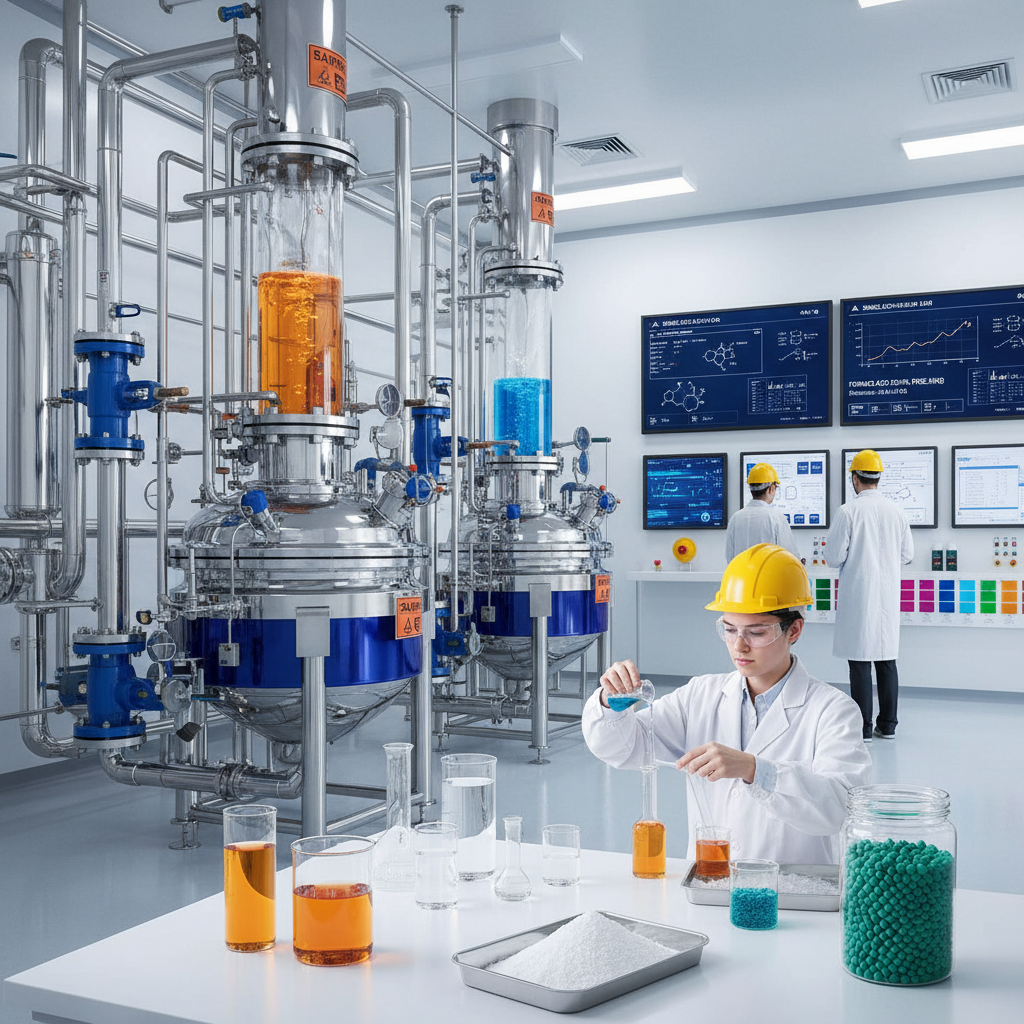
Aluminum hydroxide to aluminum represents a crucial industrial process with far-reaching global implications. This transformation is foundational to numerous sectors, including water treatment, pharmaceuticals, and the production of aluminum metal itself. Understanding this process is vital for optimizing resource utilization, minimizing environmental impact, and developing innovative materials. The efficiency and sustainability of converting aluminum hydroxide to aluminum directly impact global supply chains and technological advancement.
The demand for aluminum continues to rise globally, driven by its lightweight properties, corrosion resistance, and recyclability. Aluminum hydroxide serves as a key intermediate in the Bayer process, the primary method for refining bauxite ore into alumina, which is then reduced to aluminum. Innovations in this process, including advancements in energy efficiency and waste reduction, are critical to meeting growing demands while minimizing environmental concerns. The economic viability of aluminum production is thus intimately linked to the efficient conversion of aluminum hydroxide.
Furthermore, the availability and cost-effectiveness of this conversion process play a significant role in the affordability of countless everyday products. From packaging and transportation to construction and electronics, aluminum's versatility makes it an indispensable material. Continued research and development are essential to improve the aluminum hydroxide to aluminum process and ensure a sustainable future for this essential resource.
The Significance of Aluminum Hydroxide to Aluminum
The conversion of aluminum hydroxide to aluminum is fundamental to modern material science and industrial production. It’s not merely a chemical transformation, but a cornerstone of numerous global industries. This process impacts everything from the cost of beverage cans to the structural integrity of aircraft. The ability to efficiently and sustainably transform aluminum hydroxide into aluminum is therefore of paramount importance.
The environmental implications of this process are also significant. Modern processes are increasingly focused on minimizing waste and reducing energy consumption. Improving the efficiency of aluminum hydroxide to aluminum conversion directly translates to a smaller environmental footprint and more responsible resource management, fostering a circular economy.
Global Context and Industrial Relevance
The global aluminum market is substantial, valued at hundreds of billions of dollars annually. The majority of aluminum production relies on the Bayer process, beginning with aluminum hydroxide extracted from bauxite ore. Regions with significant bauxite reserves, such as Australia, Guinea, and Brazil, are crucial players in the global aluminum supply chain. Demand is driven primarily by the transportation, construction, and packaging sectors.
According to the International Aluminum Institute, aluminum production has been steadily increasing over the past decades, and this trend is expected to continue. This growth is fueled by the demand for lightweight materials in the automotive industry, contributing to fuel efficiency and reduced emissions. The efficient conversion of aluminum hydroxide to aluminum is thus critical to meeting this growing demand and supporting sustainable transportation solutions.
However, the process faces challenges including energy intensity and environmental concerns related to waste disposal. Innovative technologies and best practices are constantly being developed to address these challenges and improve the overall sustainability of the aluminum production lifecycle.
Defining the Aluminum Hydroxide to Aluminum Process
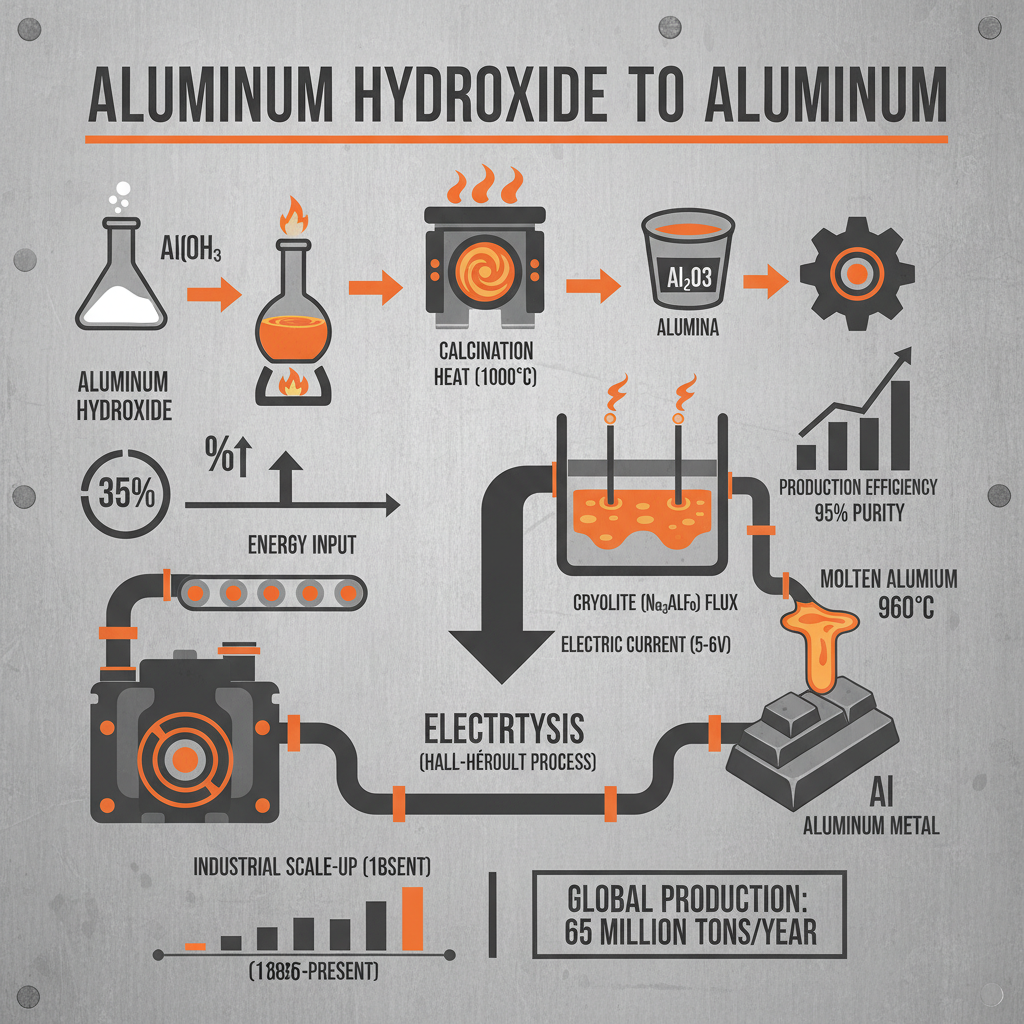
The conversion of aluminum hydroxide to aluminum typically involves two main steps: the Bayer process, which converts bauxite ore to alumina (aluminum oxide), and the Hall–Héroult process, which then reduces the alumina to metallic aluminum. Aluminum hydroxide (Al(OH)₃) is initially dissolved in a hot sodium hydroxide solution, forming sodium aluminate. This solution is then cooled and seeded with aluminum hydroxide crystals, causing the alumina to precipitate out.
The resulting alumina is purified and then subjected to electrolysis in the Hall–Héroult process. In this process, alumina is dissolved in molten cryolite and an electric current is passed through the solution, reducing the aluminum oxide to metallic aluminum. This process is energy-intensive, requiring significant amounts of electricity. Understanding the nuances of each stage is vital for optimizing the entire process and increasing efficiency.
Recent advancements are exploring alternative reduction methods to the Hall-Héroult process, aiming to reduce energy consumption and environmental impact. These include inert anode technologies and the use of molten salts as electrolytes. The goal is to make the aluminum hydroxide to aluminum process more sustainable and economically viable in the long term.
Key Factors Influencing the Conversion
Several key factors influence the efficiency and effectiveness of converting aluminum hydroxide to aluminum. These include temperature control, chemical purity, energy efficiency, and waste management. Maintaining precise temperature control during the Bayer process is critical for optimizing alumina precipitation.
The purity of the aluminum hydroxide feedstock also plays a significant role. Impurities can interfere with the chemical reactions and reduce the yield of alumina. Moreover, the Hall-Héroult process is highly energy-intensive, making energy efficiency a major concern. Reducing energy consumption directly translates to lower production costs and a reduced carbon footprint.
Aluminum Hydroxide to Aluminum Conversion Efficiency
Applications Across Industries
The aluminum produced through the conversion of aluminum hydroxide finds widespread applications across diverse industries. The transportation sector utilizes aluminum for vehicle bodies, engine components, and structural parts, capitalizing on its lightweight properties and corrosion resistance. The packaging industry relies heavily on aluminum for beverage cans, food containers, and foil, ensuring product protection and shelf life.
In the construction industry, aluminum is used in windows, doors, facades, and roofing materials, offering durability, weather resistance, and aesthetic appeal. The aerospace industry extensively uses aluminum alloys for aircraft structures, demanding high strength-to-weight ratios. Furthermore, aluminum plays a crucial role in electrical transmission lines, solar panel frames, and various other industrial applications.
Benefits and Long-Term Value Proposition
The benefits of a streamlined and efficient aluminum hydroxide to aluminum process are manifold. Cost savings resulting from reduced energy consumption and waste generation directly translate to more competitive pricing for aluminum products. Sustainability gains, including reduced greenhouse gas emissions and responsible resource management, enhance the environmental profile of the industry.
Long-term value is derived from the durability, recyclability, and versatility of aluminum. Aluminum can be recycled indefinitely without significant loss of properties, contributing to a circular economy. The inherent corrosion resistance of aluminum ensures longevity and minimizes maintenance costs, making it a reliable and cost-effective material for numerous applications.
Future Trends and Innovation
Future trends in the aluminum hydroxide to aluminum process are focused on sustainability, efficiency, and digitalization. The development of inert anode technologies for the Hall–Héroult process promises to significantly reduce energy consumption and eliminate the generation of hazardous byproducts. Advanced process control systems, utilizing artificial intelligence and machine learning, can optimize operating parameters and improve product quality.
The integration of renewable energy sources, such as solar and wind power, into aluminum production facilities will further reduce the carbon footprint. Furthermore, research into alternative electrolyte materials and innovative separation techniques could revolutionize the Bayer process and unlock new opportunities for resource recovery.
Analysis of Challenges and Potential Solutions in Aluminum Hydroxide to Aluminum Conversion
| Challenge |
Impact Area |
Severity (1-10) |
Potential Solution |
| High Energy Consumption in Hall-Héroult Process |
Economic & Environmental |
9 |
Inert Anode Technology Adoption |
| Bauxite Residue (Red Mud) Disposal |
Environmental & Social |
8 |
Red Mud Valorization for Construction Materials |
| Fluctuations in Bauxite Ore Quality |
Process Efficiency |
7 |
Advanced Ore Blending and Pre-Treatment |
| Cryolite Electrolyte Management |
Operational Costs & Safety |
6 |
Molten Salt Electrolyte Alternatives |
| Supply Chain Vulnerabilities |
Geopolitical & Economic |
7 |
Diversification of Bauxite Sources |
| Carbon Footprint of Production |
Environmental & Regulatory |
8 |
Transition to Renewable Energy Sources |
FAQS
The most significant environmental concern is the generation of red mud, a byproduct of the Bayer process. This material contains high levels of iron oxide and other impurities, and its disposal poses challenges due to its alkalinity and potential for contamination. Ongoing research focuses on valorizing red mud for beneficial reuse in construction or other applications, minimizing landfill disposal and its associated environmental risks.
The Hall-Héroult process is exceptionally energy-intensive, accounting for a significant portion of the total energy consumed during aluminum production. This is due to the high temperatures required to maintain the molten cryolite electrolyte and the large electric current needed to reduce alumina to metallic aluminum. Innovative technologies like inert anodes are being developed to lower the energy demand and improve the process's overall efficiency.
The quality of bauxite ore directly impacts the efficiency of aluminum hydroxide extraction in the Bayer process. Variations in the mineral composition, particularly the levels of silica and other impurities, can affect the solubility of alumina and require adjustments to the process parameters. Consistent bauxite quality reduces process variability and improves overall alumina yield.
Several innovations are targeting a lower carbon footprint, including the development of inert anode technology, increased use of renewable energy sources to power aluminum smelters, and research into carbon capture and storage technologies. Furthermore, improving the efficiency of the Bayer process and valorizing red mud can contribute to a more sustainable production cycle.
Red mud can be utilized in several ways, including as a raw material for cement production, as a component in construction materials like bricks and tiles, and as a soil amendment. Research is also exploring its potential for extracting valuable metals like scandium and rare earth elements. These applications can transform red mud from a waste product into a valuable resource.
Advanced process control systems, leveraging artificial intelligence and machine learning, can optimize various parameters within the aluminum production process, such as temperature, chemical feed rates, and current density. This leads to improved process stability, reduced energy consumption, enhanced product quality, and minimized waste generation, ultimately boosting overall efficiency.
Conclusion
In conclusion, the process of converting aluminum hydroxide to aluminum is a cornerstone of modern industry, impacting global economies and technological advancements. Optimizing this process—through innovations in energy efficiency, waste management, and process control—is not just an economic imperative but also a crucial step towards a more sustainable future. The long-term value lies in the durability, recyclability, and versatility of aluminum, a material integral to countless applications.
Looking ahead, continued research and development are vital to unlock the full potential of aluminum production. Investing in innovative technologies, fostering collaboration between industry and academia, and promoting responsible resource management will be essential to ensuring a reliable, sustainable, and economically viable supply of this critical material for generations to come. For more information on our innovative solutions, visit our website: www.tengerchemical.com.