Aluminum hydroxide antacid plays a crucial role in managing acid-related digestive issues globally. Its effectiveness, affordability, and relative safety make it a widely used over-the-counter medication. The demand for such antacids is consistently high, driven by factors like changing dietary habits, increased stress levels, and an aging population. Understanding the properties and applications of aluminum hydroxide antacid is vital for both healthcare professionals and individuals seeking relief from heartburn, indigestion, and other related conditions.
The global market for antacids is substantial, with significant growth projected in emerging economies due to improved healthcare access and rising disposable incomes. According to market research reports, the antacid market is estimated to reach billions of dollars in the coming years. Aluminum hydroxide antacid remains a cornerstone of this market, offering a reliable and cost-effective solution for acid neutralization. This widespread use highlights the significant impact of this compound on public health.
Recognizing the importance of aluminum hydroxide antacid, coupled with a thorough understanding of its mechanisms and potential side effects, is paramount. Proper use ensures its effectiveness while minimizing risks. Furthermore, continuous research and development are essential to enhance its formulation and delivery methods, addressing evolving patient needs and improving overall therapeutic outcomes.
Introduction to Aluminum Hydroxide Antacid
Aluminum hydroxide antacid has been a mainstay in over-the-counter medicine for decades, providing relief from heartburn, indigestion, and upset stomach. Its primary function is to neutralize excess stomach acid, raising the pH level and alleviating discomfort. Understanding its chemical composition and how it interacts with the body is crucial for safe and effective use.
The benefits of aluminum hydroxide antacid extend beyond simple symptom relief. It plays a vital role in managing conditions like acid reflux and peptic ulcers, offering a readily available and affordable option for millions worldwide. However, it’s essential to be aware of potential side effects and interactions, making informed use the key to maximizing its benefits.
Defining Aluminum Hydroxide Antacid
Aluminum hydroxide antacid is an inorganic salt composed of aluminum, hydroxide ions, and water. Its chemical formula is Al(OH)₃. In pharmaceutical terms, it’s classified as a non-systemic antacid, meaning it acts locally within the gastrointestinal tract without being significantly absorbed into the bloodstream. This localized action is key to its effectiveness and minimizes systemic side effects.
This compound’s connection to modern medicine stems from its ability to chemically neutralize hydrochloric acid (HCl) in the stomach. The reaction produces aluminum chloride and water, effectively reducing acidity and providing relief from associated symptoms. Its simplicity and efficacy have made it a widely accessible treatment option for a broad range of digestive complaints.
Aluminum hydroxide antacid fulfills a critical humanitarian need by providing affordable and accessible relief from digestive distress in populations with limited access to advanced healthcare. Its ease of manufacture and storage contribute to its widespread availability, making it a valuable resource in both developed and developing countries.
Key Chemical and Physical Properties
Aluminum hydroxide antacid exists as a white, odorless powder. It’s virtually insoluble in water but reacts readily with stomach acid. Its physical state allows for easy formulation into various dosage forms, including tablets, suspensions, and gels. The particle size of the aluminum hydroxide also influences its reactivity and effectiveness.
The chemical stability of aluminum hydroxide is a critical consideration in pharmaceutical formulations. It’s sensitive to prolonged exposure to air and moisture, which can affect its potency. Therefore, proper packaging and storage are essential to maintain its efficacy. The compound's pH also plays a role in its effectiveness; it's typically formulated to have a slightly alkaline pH.
Understanding the chemical properties of aluminum hydroxide antacid is crucial for optimizing its formulation and ensuring its quality. Factors like purity, particle size distribution, and water content all contribute to the final product’s performance and safety profile. Rigorous quality control measures are employed during manufacturing to maintain these standards.
Mechanisms of Action and Efficacy
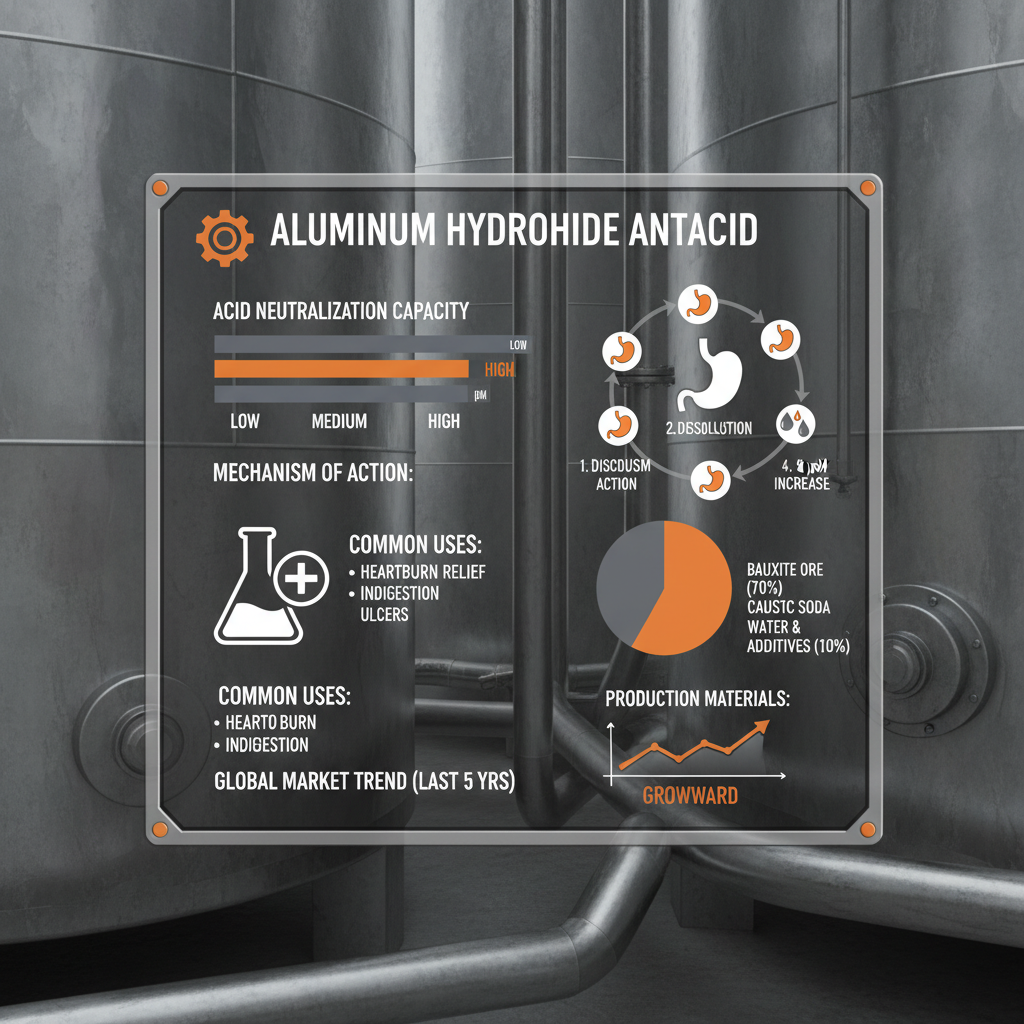
The primary mechanism of action of aluminum hydroxide antacid is the neutralization of hydrochloric acid in the stomach. This reaction increases the gastric pH, reducing irritation of the esophageal lining and providing relief from heartburn. The effectiveness of the antacid is directly related to the amount of aluminum hydroxide present and its surface area.
While aluminum hydroxide is effective at neutralizing acid, it doesn’t prevent acid secretion. It offers symptomatic relief but doesn’t address the underlying cause of acid reflux or ulcer formation. Therefore, it’s often used in conjunction with other medications or lifestyle modifications to manage these conditions effectively.
Aluminum Hydroxide Antacid Efficacy Comparison
Global Applications and Formulations
Aluminum hydroxide antacid is available in numerous formulations worldwide, catering to diverse patient preferences and needs. These include tablets, chewable tablets, suspensions, and gels. The choice of formulation often depends on factors like convenience, speed of onset, and duration of action.
Its applications extend beyond simple heartburn relief. It’s commonly used to manage symptoms of acid reflux disease (GERD), peptic ulcers, and gastritis. In some cases, it’s also used as a phosphate binder in patients with chronic kidney disease. Regional variations in formulation and usage patterns exist due to differing healthcare systems and cultural preferences.
In post-disaster relief operations, aluminum hydroxide antacid provides a readily available and essential medicine for individuals experiencing digestive issues due to stress, dietary changes, or contaminated water sources. Similarly, in remote industrial zones where access to healthcare may be limited, it serves as a valuable first-line treatment for common digestive complaints.
Advantages and Limitations of Use
The advantages of aluminum hydroxide antacid include its affordability, ease of access, and rapid symptom relief. It’s generally well-tolerated, with relatively few side effects when used as directed. Its non-systemic nature minimizes the risk of drug interactions. It represents a cost-effective solution for widespread digestive discomfort.
However, aluminum hydroxide antacid has limitations. Long-term use can lead to constipation due to its binding effect on phosphate in the gut. It can also interfere with the absorption of certain medications. Individuals with kidney problems should use it with caution, as the aluminum can accumulate in the body.
Future Trends in Antacid Development
Future trends in antacid development focus on improving efficacy, reducing side effects, and enhancing patient compliance. Research is exploring novel formulations that combine aluminum hydroxide with other agents to provide more comprehensive acid control and minimize adverse effects.
There’s also growing interest in developing sustained-release formulations that offer longer-lasting relief. Nanotechnology and targeted drug delivery systems are being investigated to improve the absorption and efficacy of antacids. Furthermore, personalized medicine approaches may tailor antacid therapy based on individual patient characteristics.
The integration of digital health technologies, such as mobile apps and wearable sensors, could help monitor symptoms, track medication adherence, and provide personalized recommendations for managing acid-related disorders. These advancements promise to revolutionize the field of antacid therapy, offering more effective and convenient solutions for patients worldwide.
Summary of Future Trends in Aluminum Hydroxide Antacid Development
| Development Area |
Current Status |
Potential Impact |
Timeline (Years) |
| Novel Formulations |
Early-stage research & development |
Improved efficacy & reduced side effects |
5-10 |
| Sustained-Release Technology |
Prototype development & testing |
Longer-lasting symptom relief |
3-7 |
| Nanotechnology Applications |
Preclinical studies underway |
Enhanced absorption & targeted delivery |
7-12 |
| Personalized Medicine |
Data collection & algorithm development |
Tailored therapy based on individual needs |
5-10 |
| Digital Health Integration |
App development & pilot programs |
Improved medication adherence & symptom tracking |
2-5 |
| Combination Therapies |
Clinical trials exploring synergistic effects |
Enhanced acid control & reduced reliance on high doses |
4-8 |
FAQS
For optimal results, take aluminum hydroxide antacid as directed on the product label or as advised by a healthcare professional. Generally, it’s best taken 30-60 minutes after meals or when symptoms occur. Do not exceed the recommended dosage. Shake liquid suspensions well before each use. Avoid taking it with other medications as it can interfere with their absorption.
The most common side effect of aluminum hydroxide antacid is constipation. This can be minimized by drinking plenty of fluids and consuming a high-fiber diet. Less common side effects include nausea and abdominal cramping. If you experience severe or persistent side effects, discontinue use and consult a healthcare provider. Long-term use can lead to aluminum accumulation in the body.
Aluminum hydroxide antacid can interact with various medications, reducing their effectiveness. It’s crucial to separate the administration of antacids and other medications by at least 2 hours. Medications affected include tetracycline antibiotics, certain heart medications, and iron supplements. Always inform your doctor about all the medications you are taking before using aluminum hydroxide antacid.
Generally, aluminum hydroxide antacid is considered safe for use during pregnancy and breastfeeding when used occasionally and as directed. However, it’s always best to consult with a healthcare provider before taking any medication during these periods. They can assess your individual situation and provide personalized recommendations. Excessive aluminum intake should be avoided.
Aluminum hydroxide antacid is intended for short-term relief of occasional heartburn and indigestion. Prolonged or continuous use is not recommended, as it can lead to side effects like constipation and aluminum accumulation. If you require long-term acid control, consult a healthcare provider to explore other treatment options or underlying causes.
If your symptoms persist for more than two weeks despite using aluminum hydroxide antacid, it’s essential to seek medical attention. Persistent heartburn or indigestion could be a sign of a more serious underlying condition, such as gastroesophageal reflux disease (GERD) or a peptic ulcer. A healthcare provider can diagnose the cause and recommend appropriate treatment.
Conclusion
Aluminum hydroxide antacid remains a cornerstone in the management of acid-related digestive issues, offering accessible and effective relief for millions globally. Its long history of safe use, coupled with its affordability, ensures its continued relevance in both developed and developing countries. Understanding its mechanism of action, potential side effects, and proper usage is crucial for maximizing its benefits and minimizing risks.
Looking ahead, ongoing research and development promise to enhance the efficacy and safety of aluminum hydroxide antacid through novel formulations and innovative delivery systems. Integration with digital health technologies offers further opportunities to personalize treatment and improve patient outcomes. To learn more about aluminum hydroxide antacid and its applications, visit our website: aluminum hydroxide antacid.