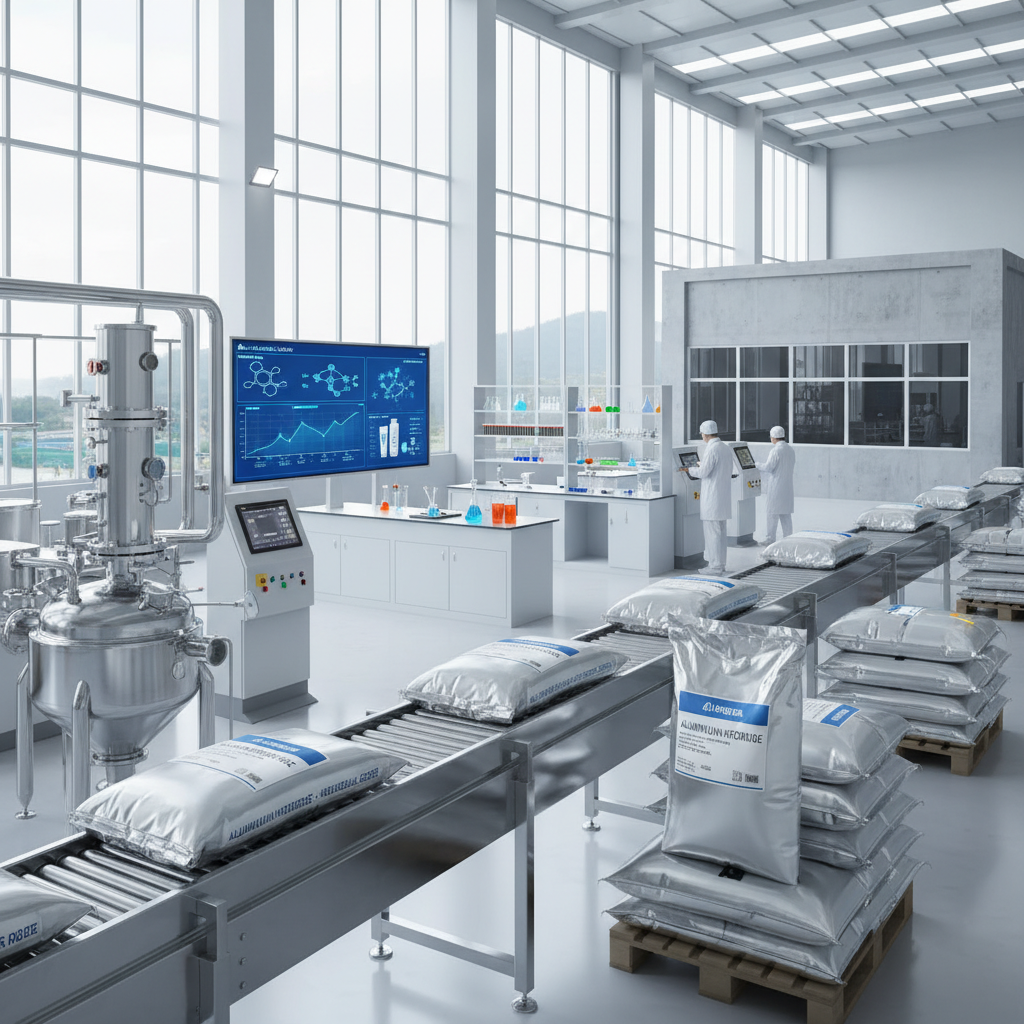
Aluminum hydroxide, a versatile inorganic compound, plays a critical role in numerous industrial processes and everyday applications globally. Its unique properties, including flame retardancy, acid neutralization, and opacity, make it indispensable in sectors ranging from pharmaceuticals and water treatment to paper manufacturing and construction. Understanding its production, characteristics, and applications is crucial for innovation and sustainable development across industries.
The demand for aluminum hydroxide is steadily increasing, driven by growing concerns about fire safety, environmental regulations, and the expanding construction and packaging industries. Global production and consumption are concentrated in regions with robust industrial bases, such as China, the United States, and Europe. This widespread use highlights the compound’s essential nature in modern manufacturing.
This exploration delves into the multifaceted world of aluminum hydroxide, covering its definition, key attributes, diverse applications, future trends, and potential challenges. We will uncover why aluminum hydroxide remains a cornerstone material in various sectors and its importance in addressing evolving industrial and societal needs.
The Importance of Aluminum Hydroxide
The significance of aluminum hydroxide lies in its remarkable versatility and its ability to address critical needs across multiple industries. Its inherent flame-retardant properties make it a vital component in fire safety applications, protecting lives and property. The compound’s non-toxic nature further broadens its applicability in sensitive areas like pharmaceuticals and food processing.
Beyond safety, aluminum hydroxide plays a crucial role in environmental sustainability. It is widely used in water purification, effectively removing contaminants and improving water quality. Furthermore, its use as a smoke suppressant contributes to better air quality during fires, reducing the harmful effects of smoke inhalation.
Defining Aluminum Hydroxide
Aluminum hydroxide (Al(OH)₃) is an inorganic compound, specifically a hydrated aluminum oxide. It exists as a white, odorless powder that is practically insoluble in water. Its formation typically occurs through the reaction of aluminum salts with a base, resulting in the precipitation of this insoluble hydroxide. It is naturally found as the mineral gibbsite.
Its connection to modern industry and humanitarian needs is extensive. In water treatment plants, it serves as a coagulant, removing impurities. In the pharmaceutical industry, it’s a common ingredient in antacids, neutralizing stomach acid. In fire retardant materials it drastically reduces the spread of flame. Its production and use support numerous jobs and contribute to societal wellbeing.
Essentially, aluminum hydroxide is a cornerstone material, quietly enhancing the safety, quality, and sustainability of countless products and processes we rely on daily.
Core Properties of Aluminum Hydroxide
One of the defining characteristics of aluminum hydroxide is its amphoteric nature. This means it can react with both acids and bases, making it effective in neutralizing pH imbalances in various applications. This property is particularly valuable in wastewater treatment and pharmaceutical formulations. Its relatively high melting point (around 300°C) contributes to its stability in high-temperature applications.
Furthermore, its low thermal conductivity and endothermic decomposition make it an excellent flame retardant. When exposed to heat, it releases water molecules, absorbing energy and cooling the surrounding material, hindering combustion. The resulting aluminum oxide forms a protective layer, preventing further fire spread. The low toxicity of the material further enhances its safe application range.
Beyond these chemical properties, aluminum hydroxide boasts high opacity, making it a useful pigment and filler in paper, plastics, and paints. It enhances the brightness and whiteness of these materials, improving their aesthetic appeal and performance. Finally, the relatively low cost of production makes it a practical material.
Key Applications and Industries Utilizing Aluminum Hydroxide
Aluminum hydroxide finds widespread use in the fire retardant industry, where it is incorporated into plastics, rubber, and textiles to reduce flammability. Its ability to release water upon heating effectively cools materials and inhibits combustion.
The pharmaceutical sector relies on aluminum hydroxide as a key ingredient in antacids and adjuvants in vaccines. As an antacid, it neutralizes stomach acid, providing relief from indigestion and heartburn. As a vaccine adjuvant, it enhances the immune response to vaccines, improving their effectiveness.
Water treatment facilities utilize aluminum hydroxide as a coagulant, removing suspended solids and impurities from water supplies. The compound forms flocs, which settle to the bottom, allowing for clear and purified water. Paper manufacturing is another significant consumer, utilizing it as a filler and coating pigment to improve paper quality and brightness.
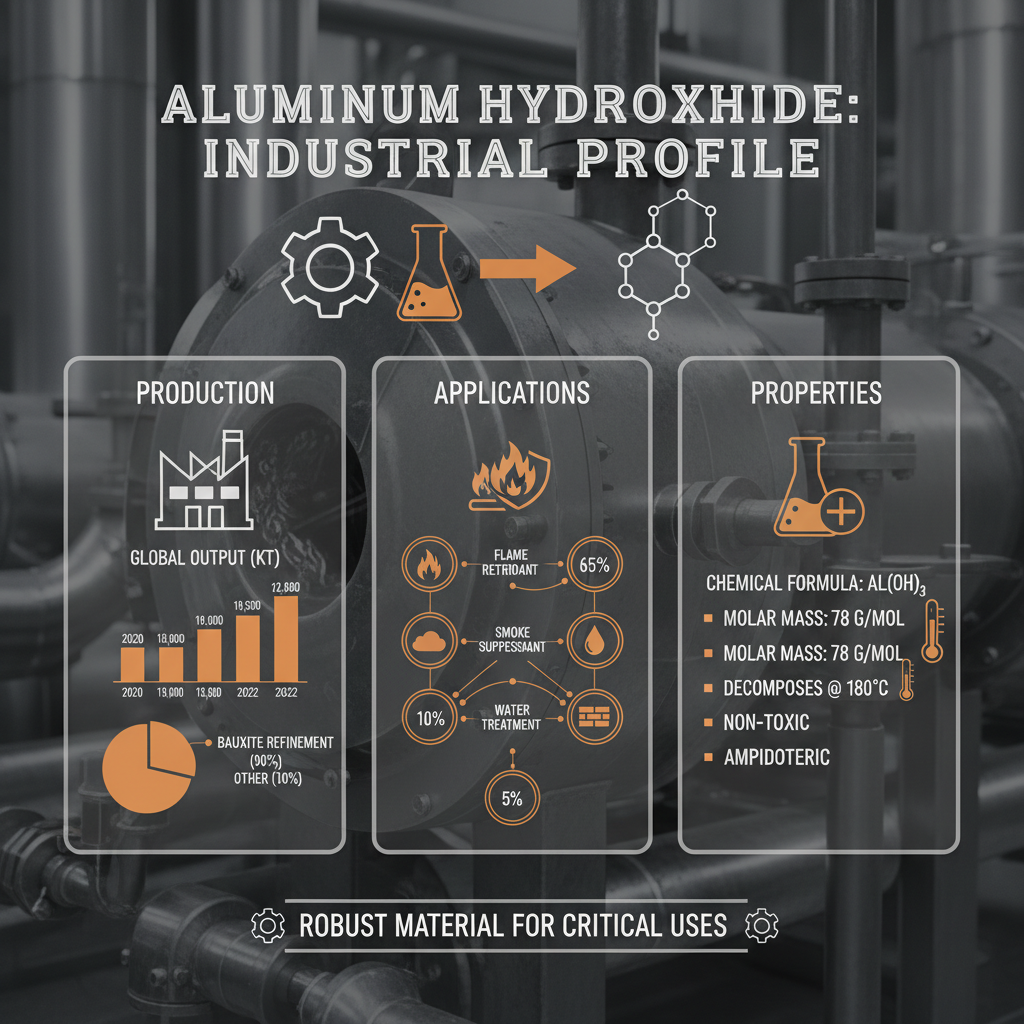
Aluminum Hydroxide Application Distribution
Global Applications & Use Cases of aluminum hydroxide
In Europe, strict fire safety regulations drive significant demand for aluminum hydroxide as a flame retardant in building materials and transportation. Several manufacturers specializing in fire retardant additives are based in Germany and the United Kingdom, serving a broad client base.
North America utilizes a significant quantity of aluminum hydroxide in water treatment, particularly in municipalities with aging infrastructure. Demand is especially high in regions with concerns about water contamination. Pharmaceutical companies across the United States also heavily rely on aluminum hydroxide for vaccine production and antacid formulations.
Asia, especially China, represents the largest consumer of aluminum hydroxide, driven by rapid industrialization and urbanization. A substantial portion is utilized in the paper industry to enhance whiteness and print quality, alongside increasing demand for flame-retardant plastics in electronics and construction.
Advantages and Long-Term Value of aluminum hydroxide
The cost-effectiveness of aluminum hydroxide is a significant advantage, particularly when compared to alternative flame retardants or water treatment chemicals. Its relatively low production cost makes it accessible for a wide range of applications and industries, particularly in emerging economies.
From a sustainability perspective, aluminum hydroxide is considered an environmentally friendly material. It is non-toxic, biodegradable, and does not release harmful pollutants during production or use. This aligns with growing global emphasis on sustainable practices and responsible manufacturing. Its ability to improve water quality also contributes to ecological wellbeing.
Future Trends and Innovations in Aluminum Hydroxide
Ongoing research is focused on enhancing the performance of aluminum hydroxide through surface modifications and particle size control. These improvements aim to increase its flame retardancy, improve its dispersion in polymer matrices, and reduce its impact on mechanical properties of the final product. Nanotechnology is also playing a role, with nano-sized aluminum hydroxide particles offering enhanced surface area and reactivity.
The integration of aluminum hydroxide with other flame retardants, such as magnesium hydroxide and expandable graphite, is another promising trend. Synergistic combinations can achieve superior flame retardancy with lower overall loadings, optimizing cost and performance. Furthermore, developments in green chemistry are driving the exploration of more sustainable production methods for aluminum hydroxide, minimizing environmental impact.
Challenges and Solutions
One of the primary challenges associated with aluminum hydroxide is its relatively high loading required to achieve effective flame retardancy. This can sometimes compromise the mechanical properties of the material it's incorporated into, such as reducing its strength or flexibility.
A potential solution lies in the development of surface-modified aluminum hydroxide particles with enhanced compatibility with polymer matrices. This improved dispersion can reduce the required loading while maintaining flame retardancy. Another approach involves utilizing aluminum hydroxide in combination with other synergistic flame retardants.
Furthermore, optimizing the particle size distribution of aluminum hydroxide can improve its effectiveness. Smaller particle sizes offer greater surface area, enhancing flame retardancy while minimizing impact on material properties.
Analysis of Aluminum Hydroxide Production Parameters
| Production Method |
Particle Size Control (1-10) |
Cost Efficiency (1-10) |
Environmental Impact (1-10, lower is better) |
| Bayer Process |
6 |
8 |
7 |
| Organic Precipitation |
9 |
5 |
6 |
| Sol-Gel Method |
10 |
3 |
5 |
| Hydrothermal Synthesis |
8 |
6 |
4 |
| Neutralization of Aluminum Salts |
7 |
9 |
8 |
| Modified Bayer Process |
7.5 |
7.5 |
6.5 |
FAQS
Aluminum hydroxide is widely used as a flame retardant in plastics, rubber, and textiles. It releases water when heated, cooling the material and inhibiting combustion. This makes it essential in building materials, electronics housings, and transportation components. It's a cost-effective and environmentally friendly alternative to halogenated flame retardants.
Yes, aluminum hydroxide is generally considered safe for pharmaceutical applications. It’s a common ingredient in antacids, neutralizing stomach acid, and is also used as a vaccine adjuvant to enhance the immune response. Regulatory bodies like the FDA have approved its use in various pharmaceutical formulations.
Aluminum hydroxide acts as a coagulant in water treatment. When added to water, it causes small suspended particles to clump together, forming larger flocs. These flocs settle to the bottom, allowing for clearer and purified water. It effectively removes impurities, turbidity, and color from water supplies.
Aluminum hydroxide is a non-toxic and biodegradable material, making it an environmentally friendly choice. It doesn't release harmful pollutants during production or use. Its use in water treatment contributes to cleaner water sources, and as a flame retardant, it can reduce the release of toxic fumes during fires.
A significant limitation is the relatively high loading required to achieve effective flame retardancy, which can impact the material's mechanical properties. It also requires higher concentrations compared to some halogenated flame retardants. Ongoing research focuses on overcoming these limitations through surface modification and synergistic combinations.
You can find reliable suppliers of high-quality aluminum hydroxide by researching established chemical manufacturers and distributors. Look for companies with ISO certifications and a proven track record of providing consistent product quality. Tenger Chemical is a reliable supplier offering a range of aluminum hydroxide grades for various applications.
Conclusion
In conclusion, aluminum hydroxide stands as a remarkably versatile and essential inorganic compound with broad applications across diverse industries. From ensuring fire safety and purifying water to enhancing pharmaceutical formulations and improving paper quality, its unique properties contribute significantly to modern life. Its cost-effectiveness, environmental friendliness, and ongoing innovation make it a vital component in sustainable development.
Looking forward, continued research and development will further unlock the potential of aluminum hydroxide. Exploring synergistic combinations with other materials, enhancing particle size control, and optimizing production processes will lead to even more effective and sustainable applications. Visit our website at www.tengerchemical.com to learn more about our comprehensive range of aluminum hydroxide products and solutions.