0%

Table of Contents

Aluminum hydroxide dried gel is a versatile inorganic compound with a wide range of industrial applications, spanning from flame retardants and water treatment to pharmaceuticals and specialty chemicals. Its unique properties, including high purity, large surface area, and chemical inertness, make it a critical component in numerous manufacturing processes globally. Understanding the production, characteristics, and applications of aluminum hydroxide dried gel is crucial for innovation and efficiency across these diverse sectors.

The global demand for aluminum hydroxide dried gel is driven by increasing safety regulations, growing environmental awareness, and expanding industrial output. Statistics from the UN show a consistent rise in the demand for flame retardant materials, a major application for this compound. The World Bank highlights the need for improved water treatment facilities, further bolstering demand. ISO standards for material purity continually push for higher-grade aluminum hydroxide dried gel, impacting manufacturing processes.

One of the key challenges addressed by aluminum hydroxide dried gel lies in enhancing safety and sustainability. As industries seek to minimize environmental impact and improve product safety, the demand for non-toxic and effective additives like aluminum hydroxide dried gel continues to grow. This positions it as a critical enabler of both environmental responsibility and product integrity in the modern industrial landscape.
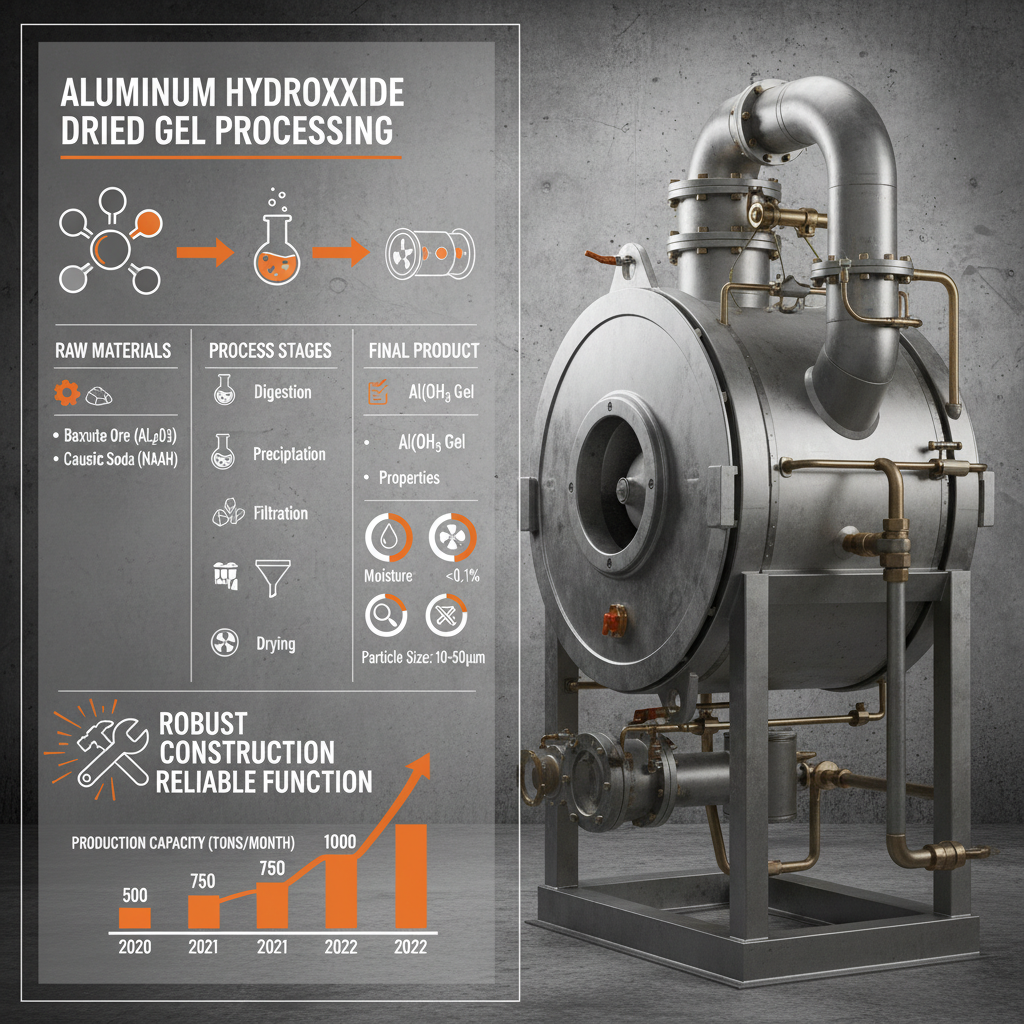
Exploring the Versatile Applications of Aluminum Hydroxide Dried Gel

Introduction to Aluminum Hydroxide Dried Gel

Exploring the Versatile Applications of Aluminum Hydroxide Dried Gel

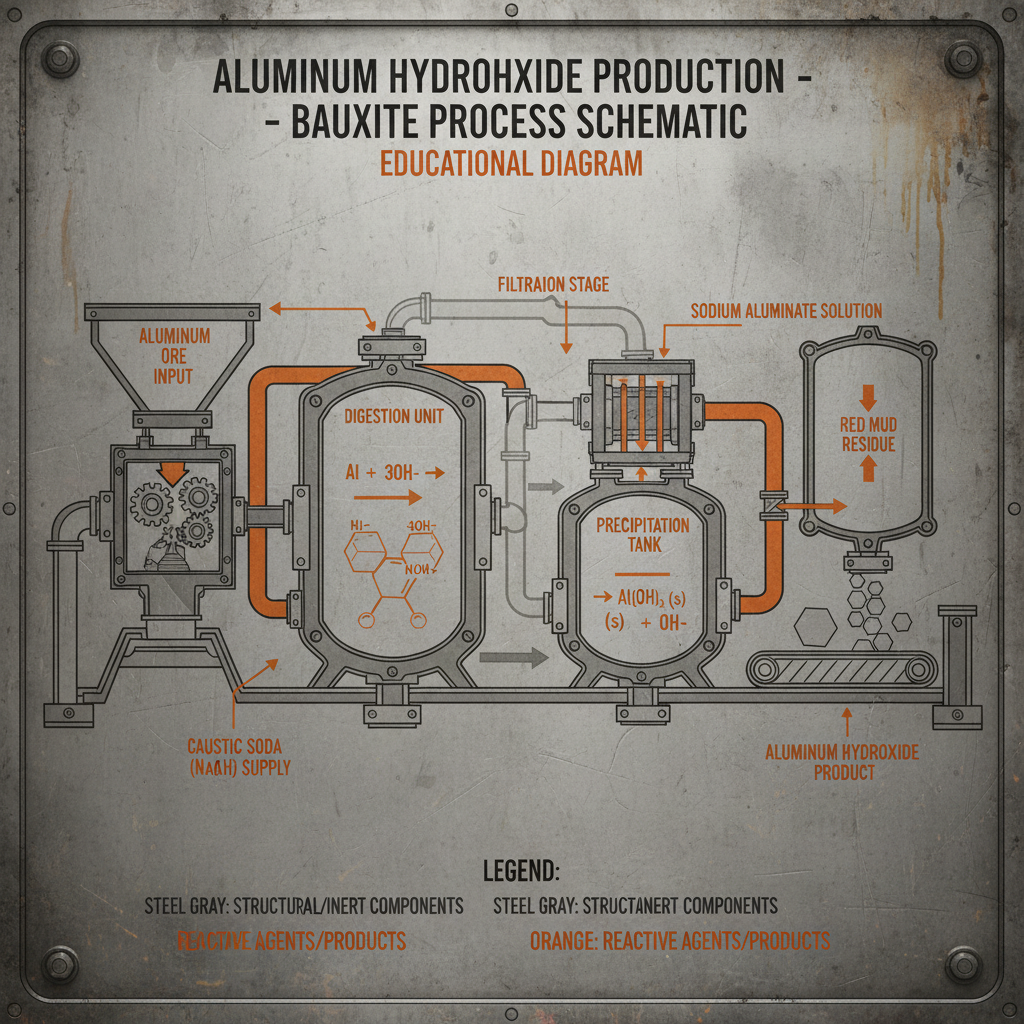
aluminum hydroxide dried gel is a white, odorless powder produced through the controlled precipitation and drying of aluminum hydroxide. The 'dried gel' designation refers to the specific process used to achieve a highly porous structure and large surface area, enhancing its reactivity and absorbent properties. It's this combination of features that makes it so valuable in diverse applications.

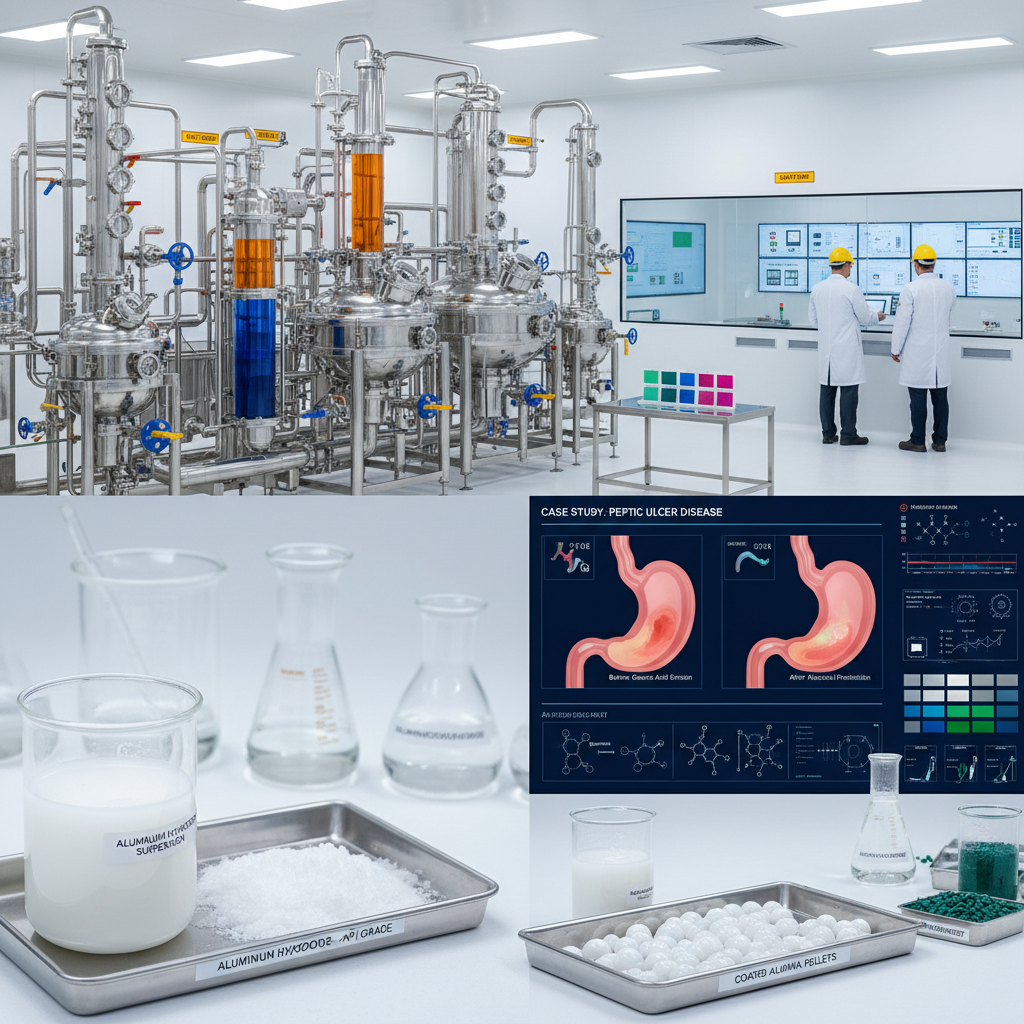
The demand for high-quality aluminum hydroxide dried gel is consistently growing. It is a key component in the production of flame retardants used in plastics, rubber, and textiles, improving fire safety in numerous products. Beyond this, it's utilized in water purification as a coagulant, and in the pharmaceutical industry as an antacid and adjuvant in vaccines. Its influence extends to specialized areas like chromatography and catalysis.

Defining Aluminum Hydroxide Dried Gel

At its core, aluminum hydroxide dried gel (Al(OH)₃) is an inorganic compound derived from aluminum salts. The "dried gel" aspect signifies a specific processing stage where the precipitated aluminum hydroxide is carefully dried to create a highly porous, amorphous solid. This porous structure distinguishes it from other forms of aluminum hydroxide, like boehmite or gibbsite, granting it unique properties.

This material bridges the gap between basic chemical production and sophisticated industrial needs. Its role extends beyond a simple ingredient; it acts as a functional additive impacting product performance, safety, and environmental compatibility. From enhancing the fire resistance of building materials to purifying drinking water, its impact is far-reaching.

In essence, aluminum hydroxide dried gel plays a crucial role in modern industry by providing a safe, effective, and versatile material that addresses critical needs in diverse sectors. Its unique properties allow for innovative solutions in fields ranging from consumer goods to environmental protection.

Core Properties of Aluminum Hydroxide Dried Gel

The key characteristic of aluminum hydroxide dried gel lies in its exceptionally high surface area, stemming from its porous structure. This high surface area dramatically enhances its reactivity, making it extremely effective as an adsorbent, catalyst support, and flame retardant. Its chemical inertness further contributes to its versatility.

Another crucial property is its thermal decomposition behavior. When heated, aluminum hydroxide dried gel undergoes endothermic decomposition, releasing water molecules and forming aluminum oxide (alumina). This process absorbs significant heat, making it an effective flame retardant. The resulting alumina residue also contributes to char formation, further hindering combustion.

Finally, its low toxicity and environmental compatibility make it a preferable alternative to many other additives. Unlike some halogenated flame retardants, aluminum hydroxide dried gel doesn't release harmful fumes during combustion, aligning with stricter environmental regulations and consumer demands for safer products.

Key Characteristics Influencing Application

The particle size distribution of aluminum hydroxide dried gel is a critical parameter impacting its performance. Finer particles provide greater surface area and faster reaction rates, ideal for applications like flame retardancy and catalysis. Conversely, coarser particles are often preferred in applications requiring specific flow characteristics or filtration rates.

The moisture content also plays a significant role. While “dried gel” implies low moisture, residual water can influence the material's handling properties and reactivity. Precise control over moisture levels is essential for consistent product quality and optimal performance in downstream applications.

Flame Retardant Performance by Aluminum Hydroxide Dried Gel Type


Global Applications of Aluminum Hydroxide Dried Gel

Aluminum hydroxide dried gel finds extensive use in the plastics industry as a flame retardant, especially in applications requiring stringent safety standards like electronics housings and building materials. Its non-toxic nature makes it a preferred choice in products intended for consumer use.

In water treatment plants worldwide, it serves as an effective coagulant, removing impurities and ensuring the production of clean, potable water. This application is particularly vital in developing nations where access to safe drinking water remains a significant challenge.

Advantages and Long-Term Value

The cost-effectiveness of aluminum hydroxide dried gel is a major advantage, particularly when compared to alternative flame retardants or water purification chemicals. Its readily available raw materials and relatively simple manufacturing process contribute to its competitive pricing.

From a sustainability standpoint, it’s a significantly more environmentally friendly option than halogenated flame retardants, avoiding the release of harmful toxins during combustion. This aligns with increasing regulatory pressures and consumer demand for greener products, adding long-term value and brand reputation.

Future Trends and Innovations

Research and development are focused on enhancing the performance of aluminum hydroxide dried gel through surface modification and particle size control. These advancements aim to improve its dispersion in polymers, increase its flame retardancy efficiency, and expand its applications in high-performance materials.

The integration of nanotechnology offers exciting possibilities, such as creating nanocomposites with superior mechanical properties and enhanced flame resistance. Furthermore, ongoing efforts to optimize production processes will focus on reducing energy consumption and minimizing environmental impact, contributing to a more sustainable future.

The rise of circular economy principles also drives innovation. Researchers are exploring methods to recover and recycle aluminum hydroxide from end-of-life products, closing the loop and minimizing waste.

Summary of Key Factors Influencing Production Efficiency of Aluminum Hydroxide Dried Gel

Precipitation Method Drying Temperature (°C) pH Control During Precipitation Impurity Levels
Controlled Neutralization 120-150 8.0-9.0 Low (≤ 0.1% Na+)
Hydrolysis of Aluminum Salts 100-130 7.5-8.5 Medium (0.1-0.5% Na+)
Spray Drying 180-200 8.5-9.5 Low (≤ 0.1% Na+)
Sol-Gel Process 80-100 7.0-8.0 High (0.5-1.0% Na+)
Seeding Method 130-160 8.2-9.2 Medium (0.1-0.5% Na+)
Microemulsion Synthesis 60-80 6.8-7.8 Very Low (≤ 0.05% Na+)

FAQS

What is the typical particle size range of aluminum hydroxide dried gel used in flame retardant applications?

For flame retardant applications, aluminum hydroxide dried gel typically features a particle size range between 2-20 micrometers. Smaller particles offer a larger surface area for heat absorption, improving flame retardancy, but can also impact processing characteristics. Careful control of particle size distribution is crucial for achieving optimal performance in polymer formulations.

How does the moisture content affect the performance of aluminum hydroxide dried gel as a flame retardant?

Higher moisture content reduces the effective concentration of alumina formed during thermal decomposition, diminishing the flame retardant effect. The water released during decomposition also requires energy, lowering the overall heat absorption capacity. Therefore, maintaining low moisture levels is critical for maximizing performance and ensuring consistent results.

Is aluminum hydroxide dried gel considered environmentally friendly?

Yes, aluminum hydroxide dried gel is generally considered an environmentally friendly flame retardant. It’s a naturally occurring mineral and doesn’t release harmful halogenated compounds during combustion, unlike many traditional flame retardants. It's also relatively low in toxicity, making it safer for both manufacturing and end-use applications.

What are the primary differences between aluminum hydroxide and alumina trihydrate?

Aluminum hydroxide and alumina trihydrate (ATH) are often used interchangeably, but there are subtle differences. ATH specifically refers to the hydrated form (Al(OH)₃), while "aluminum hydroxide" can sometimes encompass other hydrated forms. Aluminum hydroxide dried gel undergoes a specific drying process to achieve higher porosity, enhancing its reactivity and performance.

How is the purity of aluminum hydroxide dried gel measured?

Purity is typically assessed by measuring the concentration of aluminum oxide (Al₂O₃) and identifying and quantifying any impurities, such as sodium, chloride, or iron. Techniques like X-ray fluorescence (XRF) and inductively coupled plasma atomic emission spectroscopy (ICP-AES) are commonly used to determine the elemental composition and ensure compliance with industry standards.

Can aluminum hydroxide dried gel be used in food packaging applications?

While aluminum hydroxide dried gel isn’t directly added to food, it can be used in the production of plastics used for food packaging. However, the grade used must meet stringent regulatory requirements for food contact materials to ensure safety and prevent any migration of substances into the food. Compliance with FDA or EU regulations is essential.

Conclusion

In conclusion, aluminum hydroxide dried gel stands as a cornerstone material across a diverse range of industries. Its unique combination of properties—high surface area, thermal stability, low toxicity, and cost-effectiveness—makes it invaluable in applications ranging from flame retardancy and water treatment to pharmaceuticals and specialized chemical processes. Continued innovation in production methods and surface modification techniques promises to further enhance its performance and expand its applicability.

Looking ahead, the demand for sustainable and high-performing materials will continue to drive the growth of the aluminum hydroxide dried gel market. Investing in research and development, focusing on process optimization, and exploring novel applications are crucial for realizing its full potential and contributing to a safer and more sustainable future. Visit our website at www.tengerchemical.com to learn more about our range of products and services.

Robert Chen

Robert Chen

Robert Chen is a Senior Sales Manager at Tenger Chemical, focused on the North American market. He has a deep understanding of chemical applications across diverse industries, including coatings, plastics, and machinery. Robert has been with the company for 12 years, initially starting in a technical support role and progressing
Previous Exploring the Versatile Applications of Aluminum Hydroxide Tablet in Modern Industries
Next Exploring the Versatile Applications of Aluminum Hydroxide Gel in Industry and Medicine