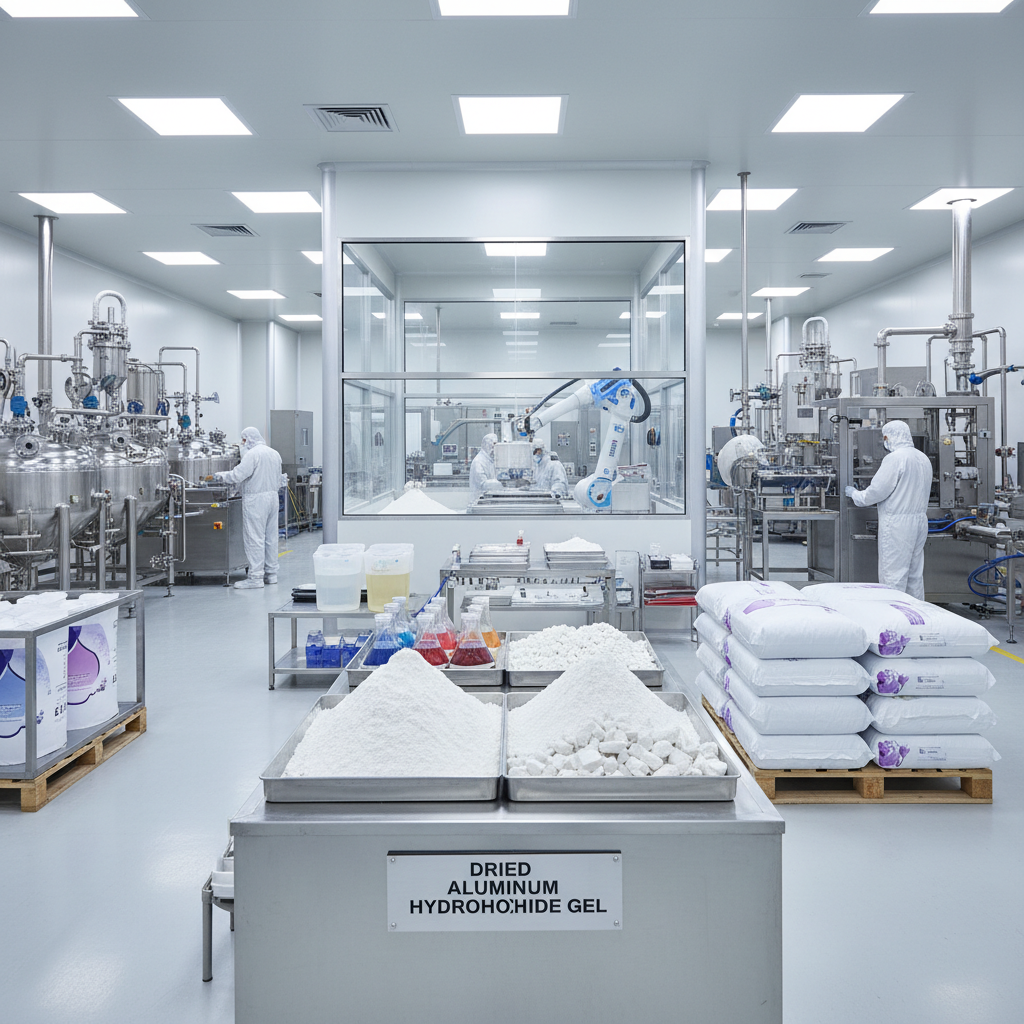
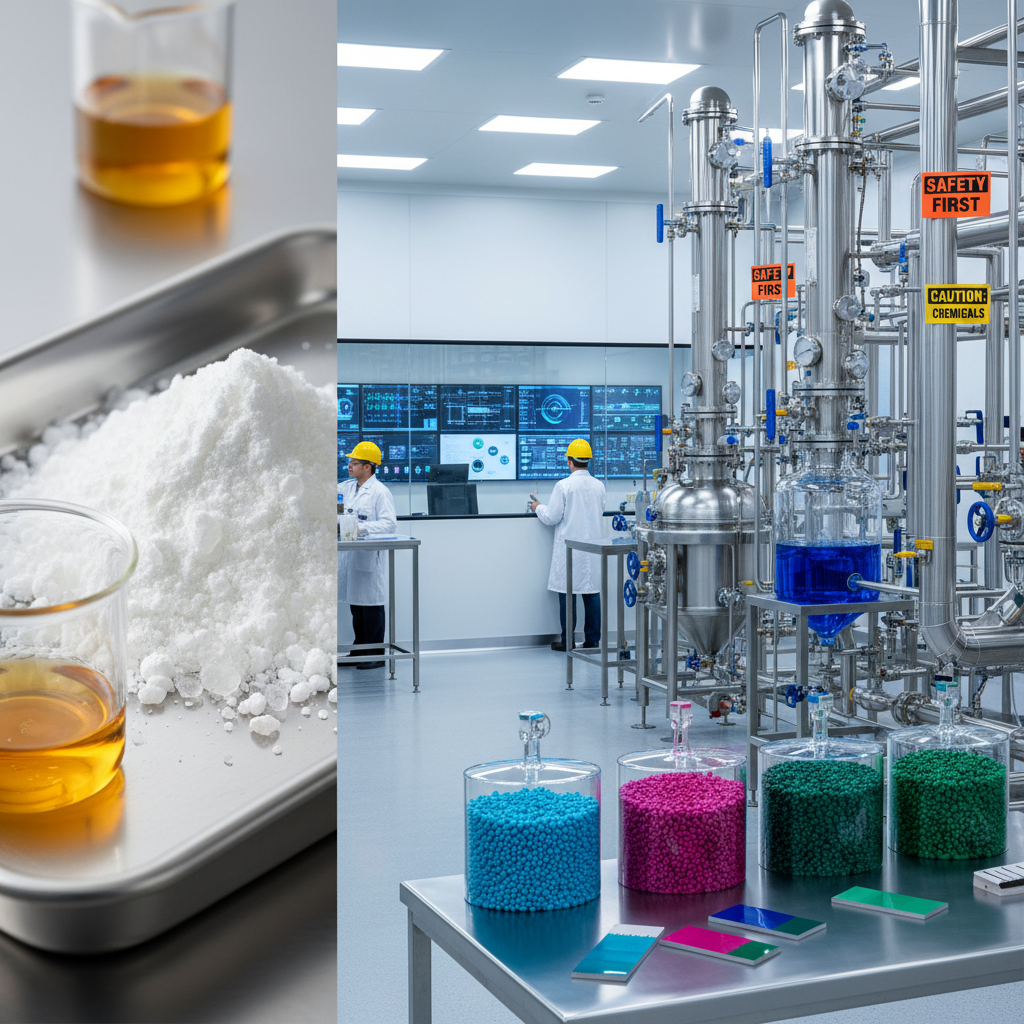
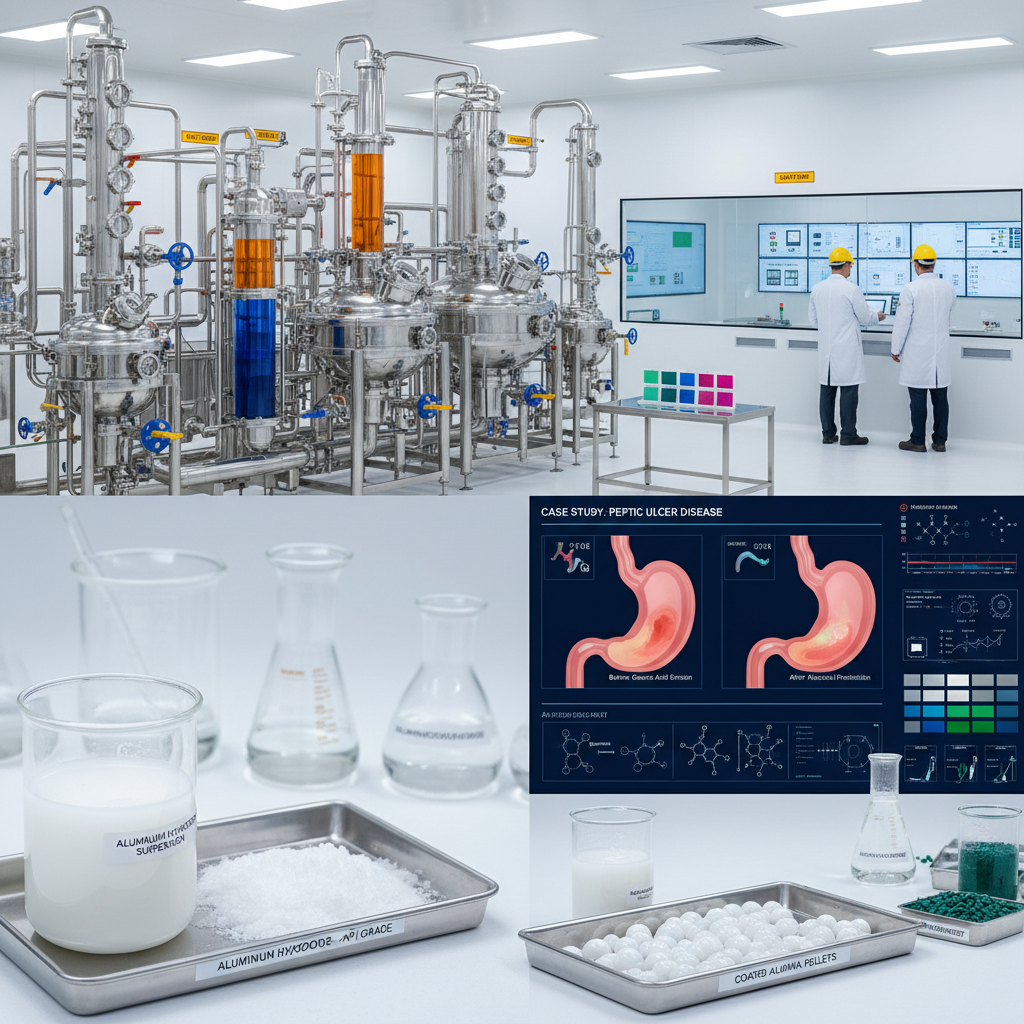
Dried aluminum hydroxide gel is a versatile inorganic compound finding increasing applications across diverse industries. Its unique properties, including its high purity, controlled particle size, and excellent adsorption capabilities, make it a crucial component in pharmaceuticals, water treatment, flame retardants, and as a chemical intermediate. Understanding its production, characteristics, and applications is paramount for innovation and optimizing industrial processes globally.
The global demand for dried aluminum hydroxide gel is driven by increasing environmental regulations concerning water purification, coupled with the expanding pharmaceutical sector. According to the UN, access to safe water and sanitation is a fundamental human right, fueling the demand for effective water treatment solutions. Furthermore, the ISO standards for pharmaceutical purity necessitate high-quality raw materials like dried aluminum hydroxide gel, contributing to sustained market growth.
Addressing challenges related to sustainable manufacturing practices and the need for cost-effective production are crucial in meeting the growing demand. This exploration will delve into the intricacies of dried aluminum hydroxide gel, its significance, and its potential to address modern industrial and environmental concerns.
Introduction to Dried Aluminum Hydroxide Gel
Dried aluminum hydroxide gel, often abbreviated as DAH, is a white, amorphous powder with a wide range of industrial and scientific applications. It's created through the controlled precipitation of aluminum salts, followed by rigorous drying processes to remove excess water. dried aluminum hydroxide gel purity and particle size distribution are critically important characteristics influencing its performance in various applications.
The versatility of DAH stems from its ability to act as an adsorbent, a flame retardant, an antacid, and a chemical intermediate. Its non-toxic nature and relative cost-effectiveness further contribute to its widespread use. From purifying drinking water to serving as a crucial excipient in pharmaceutical formulations, DAH plays an essential, often unseen, role in modern life.
Defining Dried Aluminum Hydroxide Gel
Dried aluminum hydroxide gel is a hydrated aluminum oxide, chemically represented as Al(OH)₃. It's produced by the controlled hydrolysis of aluminum salts, typically aluminum sulfate or aluminum chloride. This process results in a gelatinous precipitate that is then washed, filtered, and carefully dried to a powder form. The drying process is crucial; it determines the final product’s physical properties such as particle size and surface area.
In modern industry, DAH bridges the gap between raw material sourcing and refined product manufacturing. It’s a cornerstone ingredient in many processes, acting as a catalyst support, a filler, and a functional additive. Its adaptability is key to meeting the demands of increasingly complex manufacturing processes.
DAH's relevance extends to humanitarian needs, notably in water purification efforts. Its capacity to efficiently remove impurities from water makes it vital in providing access to clean and safe drinking water in regions facing water scarcity or contamination challenges.
Key Characteristics of Dried Aluminum Hydroxide Gel
Durability is a key characteristic of high-quality DAH. Its chemical stability allows it to withstand harsh processing conditions and maintain its effectiveness over extended periods. This is crucial in applications like flame retardants where long-term performance is critical for safety.
Particle size distribution significantly impacts DAH's functionality. A controlled particle size enables optimized adsorption properties, dispersion characteristics, and reactivity. Manufacturers tailor particle size to suit specific applications, ranging from nanometer-sized particles for pharmaceutical applications to micron-sized particles for industrial processes.
Adsorption Capacity is another essential trait. DAH possesses a large surface area, making it an effective adsorbent for removing impurities, toxins, and unwanted substances from liquids and gases. This property underpins its widespread use in water treatment, purification processes, and chromatography.
Applications Across Industries
The pharmaceutical industry is a major consumer of dried aluminum hydroxide gel, utilizing it as an antacid to neutralize stomach acid and as an adjuvant in vaccines to enhance immune response. The stringent quality control requirements of this sector demand exceptionally pure DAH formulations.
In water treatment, DAH acts as a coagulant, removing suspended solids and impurities from raw water sources. Its ability to form flocs facilitates the separation of contaminants, ensuring the production of clean and potable water. This is particularly important in municipal water treatment plants and industrial wastewater management.
Dried Aluminum Hydroxide Gel Application Areas
Advantages and Long-Term Value
Cost-efficiency is a significant advantage of DAH. Compared to alternative materials with similar functionalities, DAH often presents a more economical solution, making it attractive for large-scale industrial applications. This affordability does not compromise its effectiveness, offering a compelling value proposition.
The sustainable nature of aluminum production and the recyclability of aluminum compounds contribute to the long-term environmental benefits of using DAH. Furthermore, its non-toxic properties ensure safety in various applications, reducing risks to human health and the environment.
Future Trends and Innovation
Research into nanomaterial-enhanced DAH is gaining momentum, promising to unlock even greater adsorption capacity and catalytic activity. These nanostructured materials could revolutionize water purification and industrial catalysis processes.
The integration of digital monitoring and control systems in DAH production is poised to improve process efficiency, consistency, and product quality. This digital transformation will enable real-time optimization of production parameters, minimizing waste and maximizing output.
Focus on developing more sustainable and energy-efficient production methods for DAH, utilizing renewable energy sources and minimizing waste generation, aligns with the growing global emphasis on environmental responsibility.
Challenges and Solutions
One common challenge is maintaining consistent particle size distribution during large-scale production. Implementing advanced process control technologies, such as automated particle size analyzers and feedback control loops, can address this issue.
Another challenge is minimizing energy consumption during the drying phase of DAH production. Utilizing innovative drying techniques, like spray drying or fluidized bed drying, can significantly reduce energy usage and enhance product quality.
Addressing concerns regarding the environmental impact of aluminum mining and production through responsible sourcing practices and closed-loop recycling systems is crucial for ensuring the long-term sustainability of DAH production.
Summary of Challenges and Proposed Solutions for Dried Aluminum Hydroxide Gel
| Challenge |
Impact on Dried Aluminum Hydroxide Gel |
Proposed Solution |
Implementation Cost (1-10) |
| Inconsistent Particle Size |
Reduced adsorption efficiency, uneven reactivity |
Automated Particle Size Analysis & Control |
6 |
| High Energy Consumption (Drying) |
Increased production costs, higher carbon footprint |
Implementation of Spray/Fluidized Bed Drying |
8 |
| Raw Material Sourcing (Aluminum) |
Environmental concerns, ethical considerations |
Responsible Sourcing & Closed-Loop Recycling |
7 |
| Maintaining Purity Levels |
Compromised application in sensitive industries (pharmaceuticals) |
Advanced Filtration & Purification Processes |
5 |
| Waste Water Management |
Environmental pollution, regulatory compliance issues |
Wastewater Treatment & Reuse Systems |
9 |
| Supply Chain Disruptions |
Production delays, increased costs |
Diversification of Suppliers & Strategic Stockpiling |
4 |
FAQS
Different grades of dried aluminum hydroxide gel are categorized based on purity, particle size distribution, and morphology. Higher purity grades, typically used in pharmaceutical applications, undergo more rigorous purification processes. Particle size variations influence adsorption capacity and reactivity, tailoring the gel for specific uses like water treatment or as a flame retardant. Morphology, referring to the shape and structure of the particles, also plays a role in its performance.
The particle size of dried aluminum hydroxide gel significantly influences its effectiveness as a flame retardant. Smaller particle sizes provide a larger surface area, leading to more efficient endothermic decomposition, which absorbs heat and slows down combustion. Finely dispersed DAH also forms a protective char layer, hindering oxygen access to the burning material.
The production of DAH can have environmental impacts associated with aluminum mining and processing. Responsible sourcing of aluminum raw materials is crucial. Implementing closed-loop recycling systems to recover and reuse aluminum compounds minimizes waste. Optimizing energy consumption during production and minimizing wastewater discharge are also vital environmental considerations.
Dried aluminum hydroxide gel is generally considered safe for pharmaceutical applications when manufactured to meet stringent purity standards. It's a widely used antacid and vaccine adjuvant with a long history of safe use. However, it's essential to adhere to regulatory guidelines and ensure the DAH used meets the required pharmacopeial standards for purity and heavy metal content.
Dried aluminum hydroxide gel should be stored in a cool, dry, and well-ventilated area, away from direct sunlight and moisture. Airtight containers are recommended to prevent contamination and maintain its chemical properties. Proper storage ensures the gel retains its effectiveness and avoids degradation over time.
The typical shelf life of dried aluminum hydroxide gel is generally 2-5 years when stored correctly in sealed containers and under recommended conditions. However, it's crucial to check the manufacturer's specifications and conduct quality control testing to ensure the product remains within specifications before use, particularly for pharmaceutical applications.
Conclusion
In conclusion, dried aluminum hydroxide gel is a remarkably versatile material with widespread applications spanning pharmaceuticals, water treatment, flame retardancy, and beyond. Its unique properties, including its high purity, controlled particle size, and adsorption capabilities, make it an indispensable component in numerous industries. Understanding its characteristics and optimizing its production are vital for addressing modern challenges related to environmental sustainability and public health.
Looking ahead, continued innovation in DAH production and application will focus on enhancing its sustainability, reducing its environmental impact, and unlocking its full potential through nanomaterials and advanced process control technologies. We invite you to explore our range of high-quality dried aluminum hydroxide gel products and discover how we can support your specific needs.