





Artificial Sweetener INS 950 | Comprehensive Guide & Specifications
Understanding Artificial Sweetener INS 950: What Makes It So Relevant Today?
Artificial sweetener INS 950, more commonly known as Acesulfame K or Acesulfame Potassium, is a staple in the world of sugar alternatives. But why does it continue to pique global interest? Beyond its intense sweetening power—about 200 times sweeter than sugar—it offers low-calorie benefits, stability in cooking, and a clean taste. Given rising health concerns worldwide about sugar consumption and diabetes, this particular sweetener has a starring role in helping industries provide healthier, palatable food options without compromising on flavor. Grasping its nuances means understanding a piece of how food technology meets public health challenges.
Global Context: Why Artificial Sweetener INS 950 Matters in Industry and Health
It's hard to ignore global statistics pointing at soaring obesity and diabetes rates—both linked strongly to excess sugar intake. According to the WHO, more than 400 million adults worldwide suffer from diabetes, and sugar reduction initiatives are growing fast. Artificial sweetener INS 950 fits neatly into this puzzle. Its stability over a broad temperature range (think baking or beverages) and compatibility with other sweeteners have made it a favorite across the food and beverage industry worldwide.
Interestingly, the global market for artificial sweeteners, including INS 950, is expected to continue its expansion at an annual growth rate of roughly 5-6% through the next decade—a nod to its increasing importance in both developed and emerging economies. However, despite this trend, challenges around consumer perception and regulatory scrutiny still hover.
One key issue INS 950 helps address is the balancing act between calorie reduction and taste retention—often a pain point for manufacturers. It’s this sweet spot that keeps the artificial sweetener industry buzzing and striving for innovation.
What Exactly Is Artificial Sweetener INS 950?
Put simply, artificial sweetener INS 950 is the European food additive code for Acesulfame K, a calorie-free sweetening agent used in everything from soft drinks and chewing gum to dairy products and pharmaceuticals. Unlike natural sugars that the body metabolizes for energy, INS 950 passes through the digestive system mostly unchanged, lending sweetness without the associated calories.
Its discovery dates back to the 1960s, and since then, it’s gained approval from major regulatory bodies worldwide, including the FDA, EFSA, and JECFA. Its role extends beyond just sweetness; it often works synergistically with other sweeteners like sucralose or aspartame to enhance flavor profiles while masking bitter aftertastes.
Main Characteristics That Define INS 950
1. Stability Under Heat and High pH
One thing many food technologists praise about INS 950 is its remarkable resilience. Whether you’re baking muffins or mixing carbonated beverages, it doesn’t break down quickly like some other sweeteners. This makes it ideal for industrial uses requiring durability.
2. Intense Sweetness at Low Concentrations
With sweetness approximately 200 times that of sucrose, small quantities go a long way. This not only helps reduce calories but also lowers manufacturing costs—always a win.
3. Synergistic Sweetening
Oddly enough, INS 950 isn’t always used solo. When combined with other sweeteners, it can round out the taste to feel more “natural,” minimizing aftertaste issues that plague sugar substitutes.
4. Non-Caloric and Non-Metabolized
Because it isn’t digested for energy, it’s perfect for diet-conscious consumers and diabetic-friendly products. This core factor boosts its ongoing relevance worldwide.
Mini Takeaway:
At its core, INS 950’s appeal lies in blending intense sweetness, stability, and safe consumption parameters, making it a top choice across multiple industries.
Global Applications and Real-World Use Cases
The reach of artificial sweetener INS 950 truly feels global. From North American diet sodas to Asian sugar-free confectioneries, its presence is ubiquitous. In many areas, especially where sugar scarcity or costs rise, INS 950 provides a cost-effective way to meet consumer demand for sweeter yet healthier foods.
For instance, in post-disaster humanitarian aid contexts, where preserving nutrition while reducing added sugars is critical, fortified beverages containing artificial sweetener INS 950 maintain palatability without additional calories. Similarly, beverage manufacturers across Europe depend on it for producing long shelf-life “light” drinks that withstand temperature variations during transport.
Interestingly, the pharmaceutical industry benefits too—most notably for sweetening syrups and chewable tablets, improving patient compliance without added sugar.
Artificial Sweetener INS 950 Product Specification Table
| Specification | Details |
|---|---|
| Chemical Name | Acesulfame Potassium (Acesulfame K) |
| INS Number | 950 |
| Sweetness Relative to Sucrose | ~200x |
| Caloric Content | 0 kcal/g |
| Heat Stability | High (stable in baking up to 120°C) |
| Solubility | Moderate (28g/100ml water at 20°C) |
| Approved By | FDA, EFSA, JECFA |
Vendor Comparison: Leading Suppliers of Artificial Sweetener INS 950
| Supplier | Purity (%) | Price (USD/kg) | Lead Time (Weeks) | Certifications |
|---|---|---|---|---|
| Tenger Chemical | 99.5% | 15.50 | 2 | ISO, FDA, GMP |
| SweetChem Ltd. | 99.2% | 16.00 | 3–4 | FDA, HACCP |
| Global Sweeteners Co. | 99.0% | 14.80 | 5 | ISO, EFSA |
Advantages & Long-Term Value of Artificial Sweetener INS 950
The benefits of artificial sweetener INS 950 stretch beyond mere sweetness. Economically, its high potency means less material per product, trimming costs and dependencies on sugar cane or beet supply fluctuations. Environmentally, the reduced sugar demand can help moderate agricultural pressures tied to soil use and water. Socially, it empowers consumers seeking to manage weight or blood sugar without sacrificing taste, promoting dignity and quality of life.
Furthermore, food and beverage brands leveraging INS 950 enjoy consumer trust by transparently reducing added sugars, aligning with modern wellness trends. Often, companies blend it with other sweeteners to optimize flavor without introducing synthetic bitterness—showing that innovation meets authenticity here.
Future Trends & Innovations Around INS 950
We’re seeing intriguing shifts in how sweeteners like INS 950 fit into sustainability and tech-driven frameworks. Green chemistry approaches are looking to enhance its production with fewer emissions. Additionally, digital recipe optimization tools now help formulators balance sweetness, mouthfeel, and shelf stability more precisely than before.
In regulatory spheres, ongoing research around safety ensures that INS 950 meets updated standards globally, easing expansion into emerging markets. Automation in packaging and quality testing is improving consistency and compliance too—making it feel like the future is not just sweeter, but smarter.
Challenges That INS 950 Faces and Potential Solutions
Admittedly, artificial sweetener INS 950 isn’t without scrutiny. Some consumers remain wary due to misinformation or taste preferences. Others note potential aftertastes or compatibility issues with certain ingredients. These hurdles prompt manufacturers to innovate blends or encapsulation techniques to mask flavors.
Scaling supply sustainably is another challenge, especially with rising demand worldwide. But vendors who prioritize sustainable sourcing and transparent practices are already carving out better futures for this sweetener, bridging industry needs with consumer expectations.
FAQ: Frequently Asked Questions About Artificial Sweetener INS 950
- Is artificial sweetener INS 950 safe for diabetic consumption?
Yes. INS 950 doesn't raise blood sugar levels because the body does not metabolize it, making it suitable for diabetics when consumed within recommended limits. - Can INS 950 be used in baking without losing sweetness?
Absolutely. One of INS 950’s strengths is heat stability, retaining sweetness even when exposed to temperatures up to about 120°C (248°F), making it ideal for baked goods. - Does artificial sweetener INS 950 have any aftertaste?
Some consumers detect a slight bitter aftertaste, especially if used alone. That’s why manufacturers often blend it with other sweeteners to balance the flavor. - How can companies import artificial sweetener INS 950 internationally?
Most suppliers, like Tenger Chemical, provide documentation compliant with FDA, EFSA, and ISO standards, facilitating smoother customs clearance for importers worldwide. - Is INS 950 environmentally friendly compared to sugar?
While artificial sweeteners require chemical synthesis, their much smaller quantities per product translate into less resource use relative to farming traditional sugar crops, offering a comparatively lower environmental footprint.
Conclusion
Artificial sweetener INS 950 continues to be a key player in the global effort to reduce sugar-related health concerns while meeting taste and industrial requirements. Its unique blend of intense sweetness, stability, broad regulatory acceptance, and cost-effectiveness ensures its place for years to come. If you’re curious about sourcing or formulating products with INS 950, start your journey at Tenger Chemical—a dependable supplier with certified quality.
Reflecting on the Sweet Future
In the end, controlling sweetness without calories is not just a technical challenge but a social imperative. INS 950 embodies that intersection where chemistry meets consumer health trends and global markets converge. And frankly, it’s worth keeping an eye on how it evolves alongside shifting tastes, technologies, and transparency demands.
References
-
The Essential Guide to Sorbates as Food Preservatives for SafetyNewsApr.16,2026
-
The Ultimate Guide to Sorbate Preservative in Modern IndustryNewsApr.09,2026
-
Comprehensive Guide to Sodium Stearoyl Lactylate Emulsifier Applications and BenefitsNewsApr.07,2026
-
Comprehensive Guide to Sodium Cyclamate Sweetener Properties and ApplicationsNewsApr.04,2026
-
Comprehensive Guide to Sodium Citrate Food Additive and Its ApplicationsNewsMar.31,2026
-
Comprehensive Guide to Sodium Bicarbonate Food Additive Applications and BenefitsNewsMar.28,2026
-
Understanding Sodium Benzoate Preservative in Cosmetics and Its ApplicationsNewsMar.26,2026
Hebei Tenger Chemical Technology Co., Ltd. focuses on the chemical industry and is committed to the export service of chemical raw materials.
-
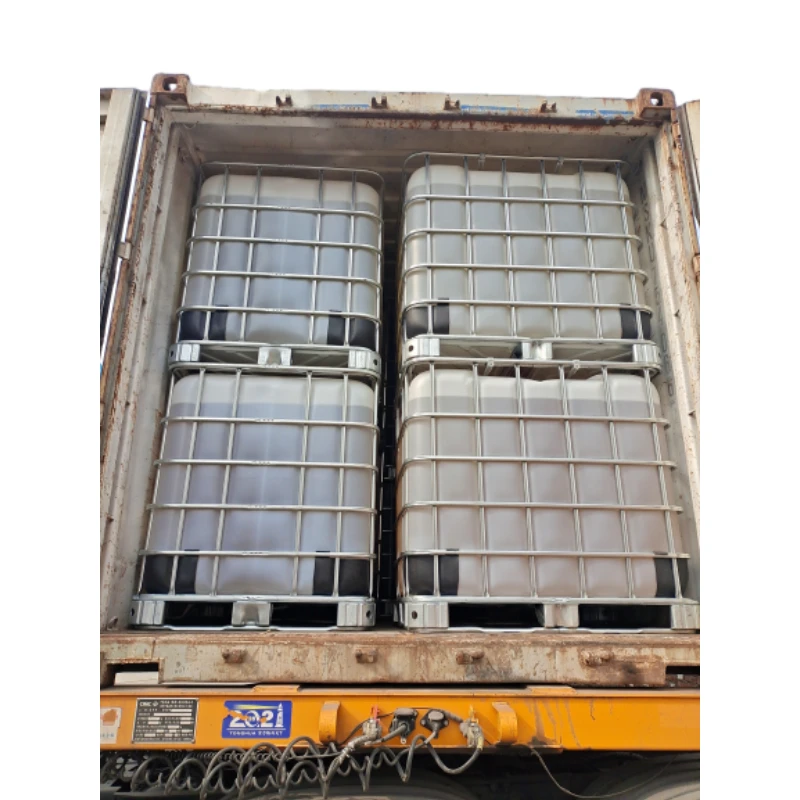
view more DiethanolisopropanolamineIn the ever-growing field of chemical solutions, diethanolisopropanolamine (DEIPA) stands out as a versatile and important compound. Due to its unique chemical structure and properties, DEIPA is of interest to various industries including construction, personal care, and agriculture. -
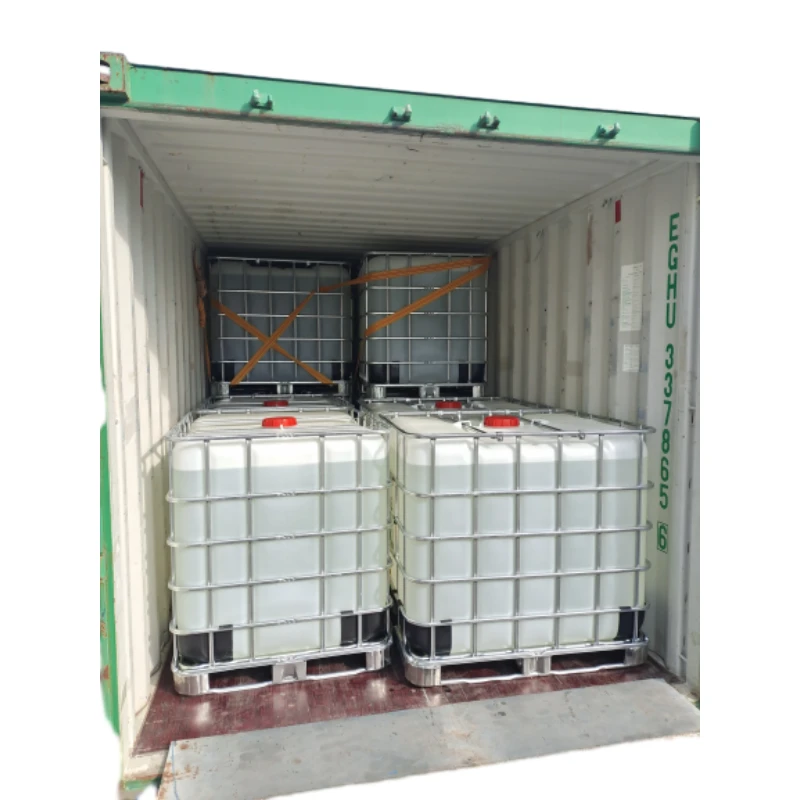
view more TriisopropanolamineTriisopropanolamine (TIPA) alkanol amine substance, is a kind of alcohol amine compound with amino and alcohol hydroxyl, and because of its molecules contains both amino and hydroxyl. -
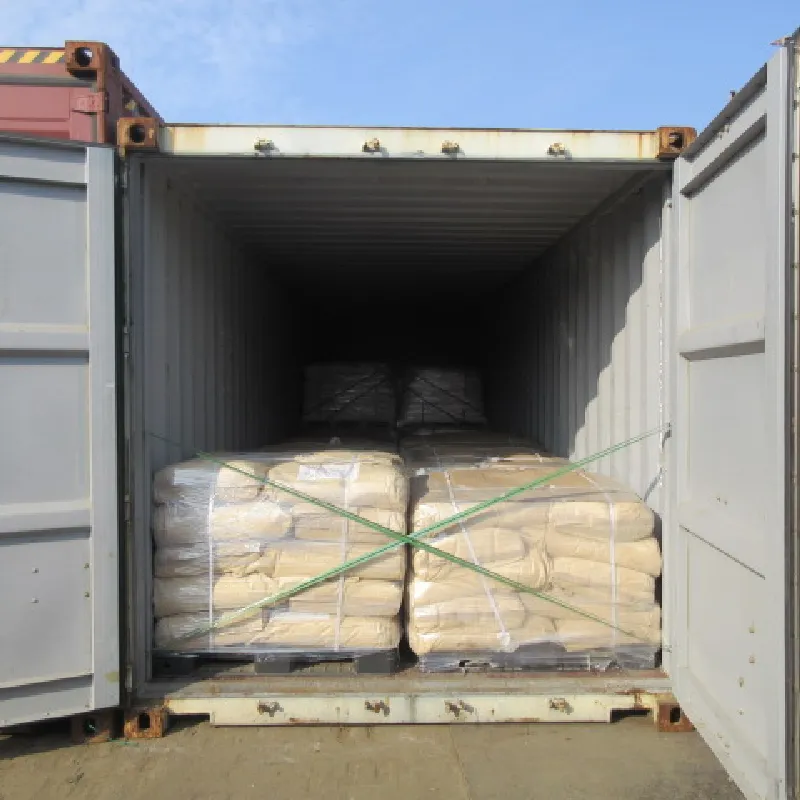
view more Tetramethyl Thiuram DisulfideTetramethyl thiuram disulfide, also known as TMTD, is a white to light-yellow powder with a distinct sulfur-like odor. It is soluble in organic solvents such as benzene, acetone, and ethyl acetate, making it highly versatile for use in different formulations. TMTD is known for its excellent vulcanization acceleration properties, which makes it a key ingredient in the production of rubber products. Additionally, it acts as an effective fungicide and bactericide, making it valuable in agricultural applications. Its high purity and stability ensure consistent performance, making it a preferred choice for manufacturers across various industries.