





Comprehensive Guide to Artificial Sweetener 955 – Uses, Benefits & Trends
Understanding Artificial Sweetener 955: What It Is and Why It Matters
If you’ve ever glanced at a nutrition label and spotted “955,” chances are you encountered sucralose — better known in industry circles as artificial sweetener 955. This compound is everywhere: in sodas, sugar-free desserts, even some medicines. But why does this matter? Around the globe, with growing health awareness and sugar consumption concerns soaring, artificial sweetener 955 plays a key role in providing sweetness without extra calories. Understanding this sweetener's role isn't just about flavor — it touches on public health, food tech innovation, and even environmental footprint.
So, whether you’re a product developer, health advocate, or simply a curious consumer, getting familiar with artificial sweetener 955 helps you navigate a sweetener-soaked world with more confidence.
The Global Context: Why Artificial Sweetener 955 Is So Relevant
Artificial sweeteners are a multi-billion-dollar market, projected to grow steadily over the next decade due to rising diabetes prevalence and consumer demand for low-calorie products (World Health Organization, 2023). Artificial sweetener 955, sucralose’s numerical code per ISO classifications, ranks among the most popular options worldwide, boasting approximately 600 times the sweetness of sugar without the caloric punch.
Given the United Nations estimates that non-communicable diseases linked to excess sugar intake cause millions of deaths annually, food industries and health organizations alike have turned to alternatives like 955 to fight this challenge. However, it’s not just health: with global sugar production susceptible to climate swings, artificial sweetener 955 offers a more stable, scalable supply chain—a rarity in food additives.
Still, some challenges linger. From regulatory scrutiny in different countries to consumer skepticism about ‘artificial’ ingredients, the battle for wider acceptance remains ongoing.
Mini takeaway:
- Artificial sweetener 955 is central to global efforts combatting sugar-related health issues.
- It supports food industry scalability amid uncertain sugar crop yields.
- Consumer and regulatory trust are key hurdles to widespread use.
What Exactly Is Artificial Sweetener 955?
Artificial sweetener 955 refers specifically to sucralose, a chlorinated derivative of sucrose (common table sugar). Unlike natural sugar, sucralose is not metabolized by the body, meaning it passes through with almost zero calories absorbed. Its chemical structure tweaks the sugar molecule by replacing hydroxyl groups with chlorine atoms, which also makes it exceptionally stable under heat and acidic conditions.
This stability means it fits neatly into many modern industries — think baked goods, beverages, pharmaceuticals — without breaking down or losing sweetness. It’s one of those fascinating examples where thoughtful chemistry meets real-world demands, something that aids humanitarian food supply chains in sugar-scarce regions or diabetic-safe meal programs worldwide.
Core Aspects of Artificial Sweetener 955
1. Intense Sweetness
Sucralose is roughly 600 times sweeter than sugar, so tiny amounts suffice to achieve the desired taste. This high sweetness intensity keeps product formulations lean and lowers costs by reducing the bulk ingredient load.
2. Thermal and Chemical Stability
Unlike some liquid sweeteners, sucralose stays stable when heated or processed at low pH levels — perfect for baking and acidic sodas alike. This durability expands product development possibilities, making it a go-to in food tech labs.
3. Safety and Metabolism
Extensive toxicology research affirms sucralose’s safety within permitted daily intake levels. It’s not metabolized for energy, meaning it doesn’t spike blood sugar. This makes it a valuable tool in diabetic nutrition and weight management.
4. Solubility
Sucralose dissolves well in water and many liquids, ensuring uniform sweetness and improved mouthfeel versus some other sweeteners, which can be gritty or have off notes.
5. Regulatory Approvals
Approved by major food agencies worldwide—including the FDA, EFSA, and JECFA—artificial sweetener 955 enjoys broad regulatory acceptance, though importers and manufacturers still need to stay abreast of local restrictions and labelling requirements.
Mini takeaway:
- Exceptional sweetness reduces bulk and expense.
- Heat stability expands product uses.
- Recognized safety and metabolic neutrality support health-minded markets.
Global Applications: Where and How Artificial Sweetener 955 Shines
Industries from beverage giants in North America to confectionery startups in Asia leverage artificial sweetener 955 for consistent, calorie-free sweetness. In Japan and parts of Europe, it’s a staple in sugar-reduced and diabetic-friendly foods.
Oddly enough, sucralose’s role isn’t just in domestic markets. Humanitarian food programs in Africa and Latin America incorporate sucralose-enhanced formulations for ready-to-use therapeutic foods (RUTFs), because its heat and shelf stability extend nutrition supply life. In emergency relief efforts, artificial sweetener 955 helps maintain taste appeal while supporting healthier formulations.
Meanwhile, the pharmaceutical sector uses sucralose to mask bitter medicine tastes, improving patient compliance especially for children and the elderly. Even pet food manufacturers are jumping on board, recognizing the health-conscious pet owner market.
Mini takeaway:
- Artificial sweetener 955 is integral to low-calorie, heat-processed products worldwide.
- Humanitarian and pharmaceutical sectors benefit from its stability and taste-masking qualities.
Specifications at a Glance: Artificial Sweetener 955 Product Overview
| Specification | Details |
|---|---|
| Chemical Name | Sucralose |
| CAS Number | 56038-13-2 |
| Sweetness relative to sugar | Approximately 600x |
| Caloric Contribution | 0 kcal/g (non-metabolized) |
| Solubility | Highly soluble in water |
| Thermal Stability | Stable up to 125°C for extended periods |
| Acceptable Daily Intake (ADI) | 15 mg/kg body weight (JECFA) |
A Quick Look at Leading Artificial Sweetener 955 Vendors
| Vendor | Product Purity | Available Packaging | Certifications | Lead Time |
|---|---|---|---|---|
| SweetChem Corp. | >98% | 1kg, 10kg Bags | ISO 9001, FDA Approved | 2-3 weeks |
| NutraSweet Global | >99% | 25kg Drums | GMP, Kosher | 1-2 weeks |
| Tenger Chemical | 98.5% | 5kg, 10kg Bags | ISO, FDA, JECFA | Customizable |
(Looking for trusted artificial sweetener 955? Tenger Chemical’s quality and delivery options make them a solid choice.)
The Advantages and Long-Term Value of Artificial Sweetener 955
It’s not just about sweetness — artificial sweetener 955 offers a suite of benefits that go beyond the obvious. Cost-wise, replacing sugar with sucralose in industrial-scale recipes reduces shipping weight and spoilage risk, often yielding better margins. The sustainability angle is subtle but important: lowering demand for raw sugar cuts associated water consumption and agricultural emissions.
Socially, it can mean better health outcomes. Providing diabetic-safe sweeteners helps people manage chronic conditions with dignity — no need to sacrifice taste entirely. Many users report that sucralose’s clean sweetness enhances enjoyment without the bitter aftertastes of some natural alternatives.
Reliability is key in product manufacturing; 955’s stability and consistent quality can reduce product recalls and complaints. That trust between producer and consumer... well, it’s often the difference between a niche product and a household staple.
What the Future Holds: Trends and Innovations
It’s exciting to see how artificial sweetener 955 fits into larger food tech trends. With digital formulation tools, manufacturers personalize sweetness profiles using AI. Meanwhile, researchers are exploring natural biosynthesis methods for sucralose to cut chemical processing steps, an important shift toward greener manufacturing.
Green energy powers are entering chemical plants, shrinking carbon footprints for sweetener production, while policy moves toward sugar consumption taxes may boost 955 adoption further. Automation in packaging and quality control increasingly guarantees batch-to-batch consistency that even the strictest food regulators appreciate.
Challenges & Solutions: Facing the Realities of Artificial Sweetener 955
Some folks raise concerns about long-term health impacts, though research consensus (FDA, EFSA) supports safety when used within guidelines. Consumer perception challenges remain—many prefer “natural” sweeteners, even if they aren’t always nutritionally advantageous.
Cost can be a hurdle for small manufacturers due to initial investment in formulation changes. Solutions increasingly involve co-packing partnerships and transparent labeling to build consumer trust. Education about metabolic effects and regulatory compliance also helps smooth adoption.
FAQs About Artificial Sweetener 955
Q1: Is artificial sweetener 955 safe for children and pregnant women?
Yes. According to global food safety agencies, sucralose is safe for all age groups and pregnant women when consumed within recommended daily intake levels. However, moderation is advised as a general rule.
Q2: Can artificial sweetener 955 be used in baking at home?
Absolutely. Its thermal stability makes it suitable for baked goods, though because of its high sweetness, quantity adjustments compared to sugar are necessary. It does not caramelize like sugar, so texture may differ.
Q3: How does artificial sweetener 955 compare to natural sweeteners like stevia?
While both offer zero calories, sucralose is chemically synthesized and typically delivers cleaner, more sugar-like taste without bitterness. Stevia, being plant-derived, sometimes has a distinct aftertaste and different stability characteristics.
Q4: Where can a food producer source reliable artificial sweetener 955?
Reputable manufacturers like Tenger Chemical provide high-purity sucralose with global certifications, customizable packaging, and compliance assistance, making them a go-to for food industry professionals.
Q5: Does sucralose contribute to weight loss?
Sucralose itself has no calories and does not cause blood sugar spikes, so it can support weight management as part of a calorie-controlled diet. However, sweeteners are no magic bullet and should be part of a balanced lifestyle.
Final Thoughts on Artificial Sweetener 955
Artificial sweetener 955 represents a fascinating intersection of food science, public health, and industry innovation. Offering sweetness without calories, stability under diverse conditions, and regulatory acceptance around the globe, it’s a key player in the drive toward healthier, more sustainable food systems.
For manufacturers, suppliers, and health advocates alike, embracing artificial sweetener 955 means tapping into a tool that melds convenience, safety, and long-term value. If you’re considering sourcing or innovating with this compound, visit https://www.tengerchemical.com for trusted supply and expert guidance.
References
-
The Essential Guide to Sorbates as Food Preservatives for SafetyNewsApr.16,2026
-
The Ultimate Guide to Sorbate Preservative in Modern IndustryNewsApr.09,2026
-
Comprehensive Guide to Sodium Stearoyl Lactylate Emulsifier Applications and BenefitsNewsApr.07,2026
-
Comprehensive Guide to Sodium Cyclamate Sweetener Properties and ApplicationsNewsApr.04,2026
-
Comprehensive Guide to Sodium Citrate Food Additive and Its ApplicationsNewsMar.31,2026
-
Comprehensive Guide to Sodium Bicarbonate Food Additive Applications and BenefitsNewsMar.28,2026
-
Understanding Sodium Benzoate Preservative in Cosmetics and Its ApplicationsNewsMar.26,2026
Hebei Tenger Chemical Technology Co., Ltd. focuses on the chemical industry and is committed to the export service of chemical raw materials.
-
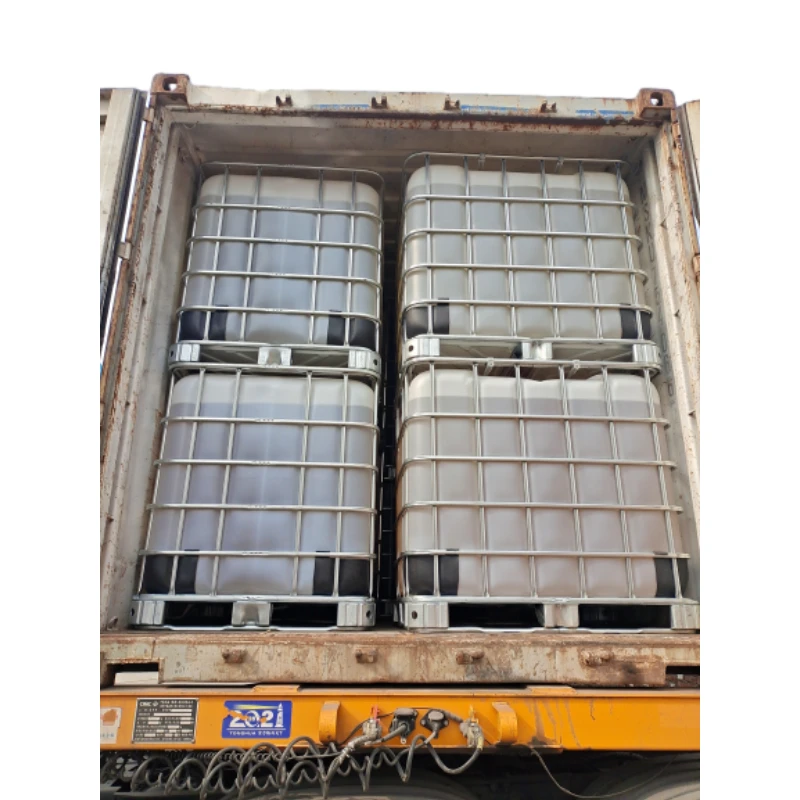
view more DiethanolisopropanolamineIn the ever-growing field of chemical solutions, diethanolisopropanolamine (DEIPA) stands out as a versatile and important compound. Due to its unique chemical structure and properties, DEIPA is of interest to various industries including construction, personal care, and agriculture. -
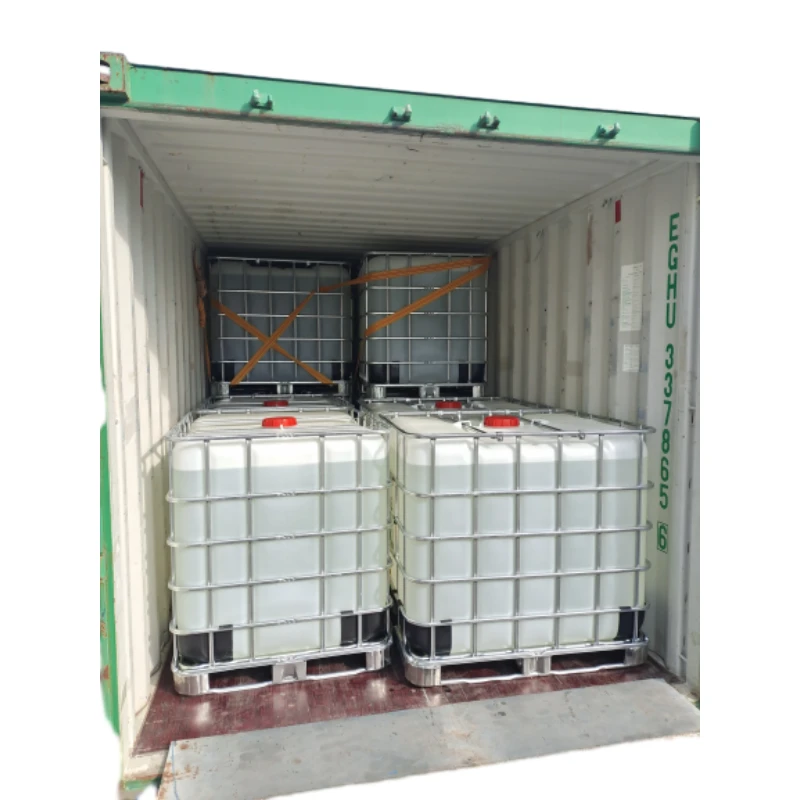
view more TriisopropanolamineTriisopropanolamine (TIPA) alkanol amine substance, is a kind of alcohol amine compound with amino and alcohol hydroxyl, and because of its molecules contains both amino and hydroxyl. -
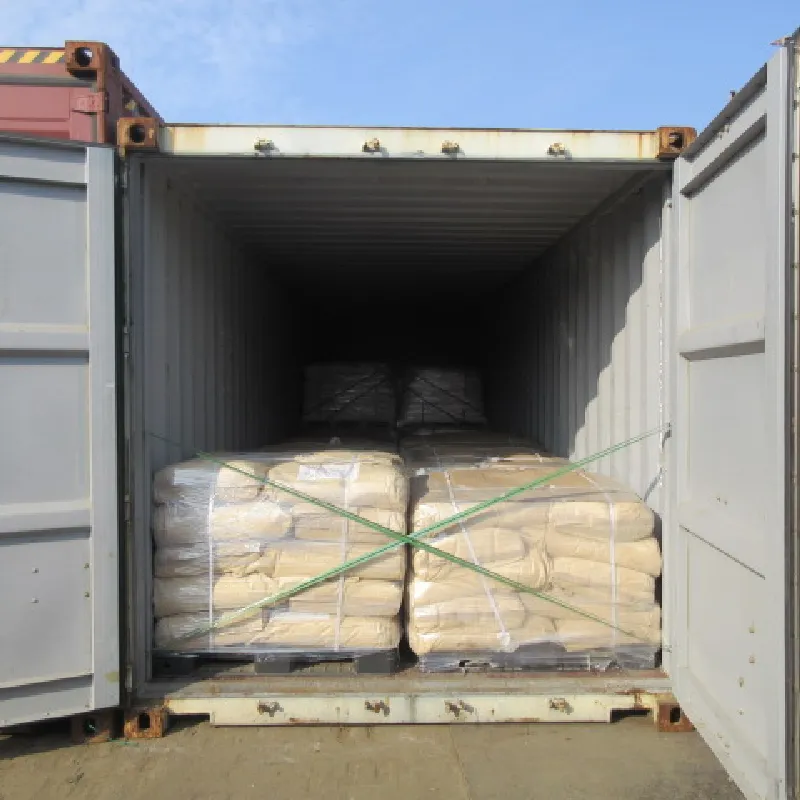
view more Tetramethyl Thiuram DisulfideTetramethyl thiuram disulfide, also known as TMTD, is a white to light-yellow powder with a distinct sulfur-like odor. It is soluble in organic solvents such as benzene, acetone, and ethyl acetate, making it highly versatile for use in different formulations. TMTD is known for its excellent vulcanization acceleration properties, which makes it a key ingredient in the production of rubber products. Additionally, it acts as an effective fungicide and bactericide, making it valuable in agricultural applications. Its high purity and stability ensure consistent performance, making it a preferred choice for manufacturers across various industries.