





Carcinogenic Preservatives: Risks, Uses, and Safer Alternatives Explored
Understanding Carcinogenic Preservatives: What You Need to Know
Carcinogenic preservatives—those chemical compounds that might increase cancer risk—are a topic no industry or consumer can afford to overlook. While preservatives play a crucial role in extending product shelf life and maintaining safety, when those preservatives contain carcinogenic ingredients, they become a global health concern.
Globally, the use of carcinogenic preservatives touches everything from food packaging to cosmetics and industrial materials. The stakes are high: According to the World Health Organization (WHO), cancer accounts for nearly 10 million deaths annually, and exposure to hazardous chemicals, including certain preservatives, factors into that statistic.
Defining Carcinogenic Preservatives in Simple Terms
In a nutshell, carcinogenic preservatives are substances used to prevent spoilage and microbial growth but are suspected or confirmed to cause cancer in humans or animals. These preservatives are commonly found in products we might not even suspect: from leather tanning agents to some food additives, to cosmetics, and industrial coatings.
They emerged as solutions to critical needs—preserving food safety and product durability—but their dark side calls for careful management and alternatives, a challenge many industries are grappling with today.
Key Factors of Carcinogenic Preservatives
Toxicity and Risk Assessment
Their carcinogenic potential depends on chemical composition and exposure levels. Regulatory bodies, such as the International Agency for Research on Cancer (IARC), classify these preservatives based on extensive studies.
Usage and Application Scope
They are often applied in food processing, leather treatment, and cosmetics for their antimicrobial properties, but this practical use comes with safety trade-offs.
Regulatory Environment
Different countries have varied frameworks—some banning specific carcinogenic preservatives outright, others operating under strict limits. This patchwork creates challenges globally, especially for exporters.
Alternatives and Innovation
Green chemistry is pushing for non-carcinogenic preservatives, including plant-based or synthetic options with better safety profiles.
Cost and Availability
Carcinogenic preservatives are often cheaper and well-established, which explains their continued use despite risks. However, alternatives may be more expensive or less accessible.
Common Carcinogenic Preservatives and Specifications
| Preservative | Common Use | Carcinogenic Status | Notes |
|---|---|---|---|
| Formaldehyde | Cosmetics, Leather tanning | Group 1 (Confirmed Carcinogen) | Widely restricted but still present in trace amounts |
| Parabens | Cosmetics, Food preservatives | Suspected carcinogen, under study | Controversial with mixed evidence |
| Benzene derivatives | Industrial coatings | Group 1 (Confirmed) | Strictly regulated in high-income countries |
Mini Takeaway: Understanding the types and uses of carcinogenic preservatives helps industries and consumers make informed choices to mitigate risks.
Global Applications & Use Cases
Across continents, carcinogenic preservatives still find their place in manufacturing and consumer products, often because there’s a gap in cost-effective alternatives.
- Asia-Pacific: Heavy leather industry reliance on formaldehyde-based preservatives, despite growing regulations.
- Europe: Restrictive frameworks lead to innovative preservation techniques, lesser carcinogenic chemical use.
- North America: Increasing consumer demand fosters non-carcinogenic preservative adoption, especially in cosmetics.
For example, in post-disaster relief efforts, preservatives ensure food safety during transport, though organizations often have to balance safety with practicality.
Oddly enough, many NGOs are actively researching carcinogenic preservatives alternatives to reduce health hazards in emergency supplies.
Advantages & Long-Term Value
At first glance, carcinogenic preservatives offer undeniable benefits—cost efficiency, robust antimicrobial action, shelf-life extension. These help reduce food waste, improve product reliability, and ensure availability.
But the long-term value is more nuanced. As research evolves, safer substitutes promise improved sustainability and social acceptance. The added emotional peace of mind—knowing a product is safer—can even influence brand loyalty.
Comparing Vendors of Safer Preservative Technologies
| Vendor | Preservative Type | Green Certification | Pricing Tier | Global Reach |
|---|---|---|---|---|
| EcoGuard Chemicals | Plant-based preservatives | ISO 14001 | Mid to High | Europe, Asia |
| SafeKeep Solutions | Synthetic non-carcinogenic | LEED Certified | Low to Mid | North America, South America |
| NaturPreserve Inc. | Enzymatic preservatives | B Corp Certified | High | Global |
Emerging Trends & Future Innovations
The preservation game is changing fast. Automation and digital monitoring of chemical use allow precise dosing, reducing overall chemical loads. Biodegradable preservatives derived from algae or microbes are gaining traction. There’s also mounting pressure globally for regulations that enforce stricter carcinogen limits.
Sadly, the transition period means carcinogenic preservatives won’t vanish overnight—but the future is clearly steering away from them.
Challenges & Practical Solutions
One of the trickiest parts? Balancing safety, cost, and effectiveness. Alternatives sometimes fail to match the efficacy of carcinogenic compounds or come at a higher price point. Industry insiders suggest incremental substitution paired with improved safety protocols and worker education as the smartest path forward.
FAQs About Carcinogenic Preservatives
- Q: How do I know if a product contains carcinogenic preservatives?
A: Always check ingredient labels and safety data sheets. Many countries require disclosure of known carcinogens. You can also research common names like formaldehyde or parabens. - Q: Are all preservatives with any toxicity carcinogenic?
A: Not necessarily. Toxicity and carcinogenicity differ—some preservatives may be toxic but not cancer-causing. Classification by agencies like IARC gives clearer guidance. - Q: Can non-carcinogenic preservatives match performance?
A: Advances in green chemistry mean many alternatives now provide comparable preservation without carcinogenic risks, though cost and availability vary. - Q: What regulations impact carcinogenic preservatives internationally?
A: Regulatory landscapes differ widely—from outright bans in the EU to partial restrictions elsewhere—making compliance complex for exporters.
Conclusion: Safety and Sustainability Go Hand in Hand
Carcinogenic preservatives present a difficult paradox: essential for preservation, yet risky for health. The long-term benefits of adopting safer alternatives and stricter regulation cannot be overstated. It’s a shared responsibility—from manufacturers to consumers—to push forward with safer choices.
To learn more about alternatives and reduce carcinogenic preservative use in your supply chain, visit our website: https://www.tengerchemical.com.
Final thought: Transitioning to safer preservatives is not just about compliance, it’s about safeguarding future generations and fostering trust in products worldwide.
References:
-
The Essential Guide to Sorbates as Food Preservatives for SafetyNewsApr.16,2026
-
The Ultimate Guide to Sorbate Preservative in Modern IndustryNewsApr.09,2026
-
Comprehensive Guide to Sodium Stearoyl Lactylate Emulsifier Applications and BenefitsNewsApr.07,2026
-
Comprehensive Guide to Sodium Cyclamate Sweetener Properties and ApplicationsNewsApr.04,2026
-
Comprehensive Guide to Sodium Citrate Food Additive and Its ApplicationsNewsMar.31,2026
-
Comprehensive Guide to Sodium Bicarbonate Food Additive Applications and BenefitsNewsMar.28,2026
-
Understanding Sodium Benzoate Preservative in Cosmetics and Its ApplicationsNewsMar.26,2026
Hebei Tenger Chemical Technology Co., Ltd. focuses on the chemical industry and is committed to the export service of chemical raw materials.
-
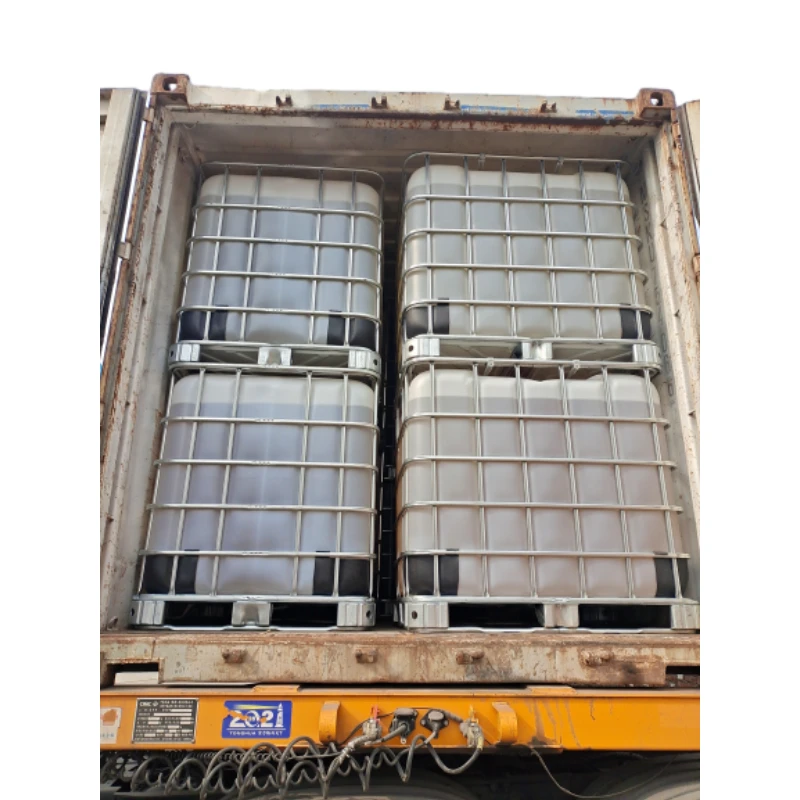
view more DiethanolisopropanolamineIn the ever-growing field of chemical solutions, diethanolisopropanolamine (DEIPA) stands out as a versatile and important compound. Due to its unique chemical structure and properties, DEIPA is of interest to various industries including construction, personal care, and agriculture. -
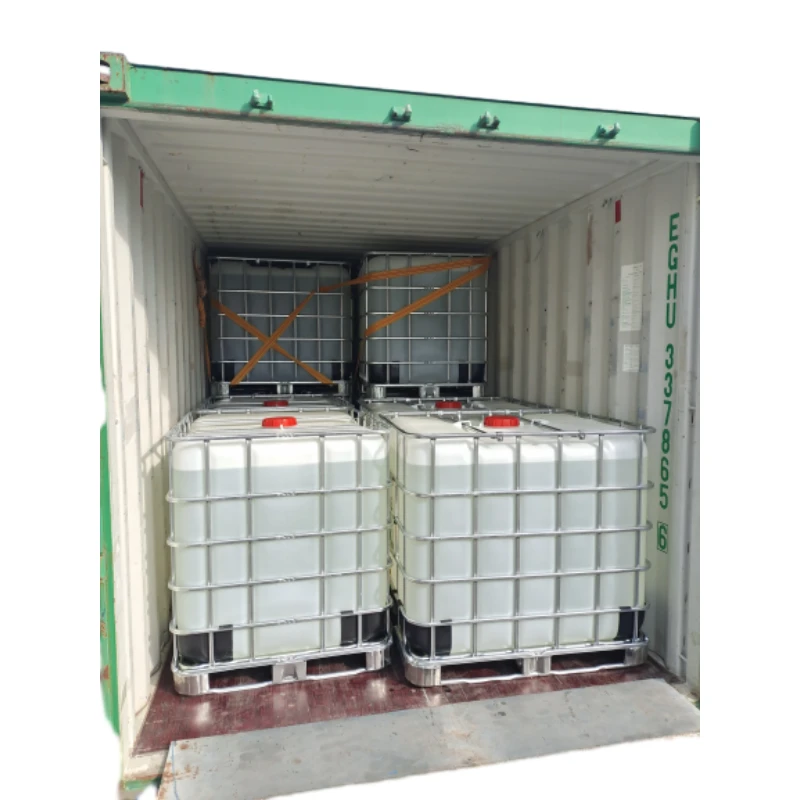
view more TriisopropanolamineTriisopropanolamine (TIPA) alkanol amine substance, is a kind of alcohol amine compound with amino and alcohol hydroxyl, and because of its molecules contains both amino and hydroxyl. -

view more Tetramethyl Thiuram DisulfideTetramethyl thiuram disulfide, also known as TMTD, is a white to light-yellow powder with a distinct sulfur-like odor. It is soluble in organic solvents such as benzene, acetone, and ethyl acetate, making it highly versatile for use in different formulations. TMTD is known for its excellent vulcanization acceleration properties, which makes it a key ingredient in the production of rubber products. Additionally, it acts as an effective fungicide and bactericide, making it valuable in agricultural applications. Its high purity and stability ensure consistent performance, making it a preferred choice for manufacturers across various industries.