





Comprehensive Guide to Acidity Regulator Citric Acid: Uses, Benefits & Vendors
Why Understanding Acidity Regulator Citric Acid Matters Globally
At first glance, acidity regulator citric acid might just sound like a technical term from a chemistry textbook or a fine print on a food label. But in reality, it’s a tiny compound playing an outsized role worldwide—from ensuring the safety of our food to assisting water purification projects in some of the most vulnerable regions. Globally, acidity regulators help maintain balance in products and processes that people rely on every day. For companies and humanitarian organizations alike, knowing how and why citric acid is used as an acidity regulator opens doors to better quality, improved safety, and cost-efficient solutions.
Understanding these benefits isn't just academic; it matters to industries spanning food, beverage, pharmaceuticals, and even environmental tech. Plus, with global markets growing increasingly conscious about sustainability and health standards, the spotlight on natural and effective regulators like citric acid only brightens.
The World’s Reliance on Acidity Regulator Citric Acid: A Global Perspective
Citric acid as an acidity regulator is a powerhouse across continents. According to the ISO, it’s among the most commonly used food additives globally, with annual consumption in the millions of metric tons. In the food industry alone, reports suggest that roughly 70% of citric acid production is consumed in Asia, Europe, and North America combined. Why? Because citric acid is safe, naturally derived, and versatile.
Think about challenges the world faces: ensuring fresh and stable food supplies, reducing spoilage, and controlling pH in pharmaceutical formulations. Citric acid addresses these problems by acting as a natural buffer—stabilizing products against bacterial growth and chemical changes. It’s especially crucial in hot and humid climates, where spoilage is an ever-present foe. UN efforts in food security recognize acidity regulation as a key area to improve shelf life and reduce waste.
But there’s a catch: many manufacturers need to strike a balance between cost, purity, and sustainability. That’s where the proper sourcing and use of citric acid come in, a challenge that’s been growing as demand climbs.
What Exactly Is Acidity Regulator Citric Acid?
Simply put, acidity regulator citric acid is a compound derived mainly from natural sources like citrus fruits or via fermentation processes. It’s widely used as an additive to control the pH of foods and beverages—keeping them from becoming too acidic or too alkaline. (You might know it by the code E330 on ingredient lists.)
But beyond the kitchen, citric acid also finds purpose in pharmaceuticals, cosmetics, and cleaning agents, where controlling acidity affects stability and performance. Modern industries depend on it not just for safety, but also for meeting regulatory standards and consumer expectations.
Core Components and Factors That Define Its Use
1. Purity and Source
The quality of citric acid used as an acidity regulator significantly impacts its effectiveness. Food- and pharma-grade citric acid must meet strict purity levels—often above 99.5%. Most commercial supply now comes from fermentation of molasses, a byproduct of sugar production, rather than citrus fruits. This shift facilitates more scalable and cost-effective sourcing.
2. pH Control Precision
Citric acid’s triprotic acid structure allows it to donate or bind three protons, offering a versatile buffering range. This makes it excellent for fine-tuning acidity to a desired level. A stable pH means longer shelf life and consistent flavor or medicinal effectiveness. Food scientists often highlight this precision as a major benefit compared to other natural acids.
3. Biodegradability and Safety
Since citric acid is biodegradable and generally recognized as safe (GRAS) by major food safety authorities, it’s an ideal candidate for clean-label products. Industrial use is also favored because residues do not pose environmental hazards, a significant plus amid growing sustainability demands.
4. Cost and Supply Chain Stability
While citric acid is relatively affordable today, market fluctuations linked to raw materials or production capacity can affect pricing. Large-scale manufacturers often secure long-term contracts to maintain steady supply, especially where the acid regulator is critical for product integrity.
5. Multifaceted Applications
Citric acid’s role spans far beyond acidity regulation. It chelates metals, enhances flavor, and stabilizes emulsions. This multifunctionality makes it something of a Swiss army knife in formulation labs.
Mini Takeaway:
Citric acid’s versatility is no accident—its chemical properties, safety profile, and natural origin combine to make it a globally trusted acidity regulator, tailored to meet both industry and humanitarian needs.
Real-World Applications Across Industries and Regions
The use cases for acidity regulator citric acid depend largely on local needs and industries. In food and beverage sectors across Europe and North America, it’s essential for soft drinks, candies, and canned goods. Asian markets lean heavily on it for rice and soy sauces, fruit juices, and dairy products.
In emerging economies, citric acid supports small-scale food producers improving shelf life using cost-effective methods. Humanitarian organizations use it in emergency nutrition packets to maintain product safety during transport and storage. Remotely, water purification systems rely on pH stabilization via citric acid to prevent pipe corrosion and microbial growth.
Pharmaceutical giants in the U.S. and India apply citric acid in tablets, syrups, and injectable solutions to enhance drug stability and bioavailability—demonstrating the compound’s cross-sectoral footprint.
Specification Table of Typical Food-Grade Citric Acid
| Parameter | Specification | Unit |
|---|---|---|
| Purity (dry basis) | ≥ 99.5 | % |
| Moisture Content | ≤ 0.5 | % |
| pH (1% solution) | 1.8 - 2.2 | - |
| Heavy Metals (as Pb) | ≤ 5 | mg/kg |
| Solubility in Water | Fully soluble | - |
The Advantages and Long-Term Values of Using Citric Acid
Why choose acidity regulator citric acid over synthetic acids or other alternatives? For starters, the cost-effectiveness is remarkable—natural production scales efficiently. Then there’s sustainability; citric acid breaks down harmlessly and is renewable, unlike some mineral acids. Many R&D experts point out its multifunctionality: it regulates pH, enhances flavor profiles, and even imparts antioxidant properties.
On the social side, citric acid's safety means manufacturers can promote clean-label products, boosting consumer trust. Humanitarian programs value its non-toxicity and ease of transport. And frankly, with food regulations tightening worldwide, relying on a well-documented, approved acid like citric acid simplifies compliance.
Innovations and Future Trends in Acidity Regulation
The horizon holds exciting prospects. Recent advances in fermentation technology are making citric acid production more energy-efficient and lower carbon—answering calls for greener manufacturing. Meanwhile, digital monitoring tools now allow manufacturers to tailor pH adjustments in real-time, optimizing usage and reducing waste.
Besides, hybrid buffering systems combining citric acid with other organic acids are being studied for enhanced effect and targeted release. Sustainability initiatives are pushing for more transparent supply chains, encouraging traceability from molasses fields to production sites—a big plus from a consumer perspective.
Common Challenges and Their Solutions
Nothing’s perfect, of course. Some challenges include volatile pricing due to feedstock shortages or geopolitical shifts affecting export routes. Variability in fermentation batches can introduce inconsistencies in purity or color—though stringent QC programs and alternative sourcing can mitigate this. Another concern is the competition from cheaper synthetic acids, though these often sacrifice natural acceptance and regulatory ease.
Industry experts recommend diversifying supply chains and investing in fermentation tech upgrades. Innovations in strain development for citric acid producing microorganisms also promise higher yields and consistency.
Frequently Asked Questions About Acidity Regulator Citric Acid
Q1: Is acidity regulator citric acid safe for all food types?
A1: Yes, citric acid is considered safe across a broad range of foods and beverages. It’s approved by the FDA and international agencies as a Generally Recognized As Safe (GRAS) compound. Its natural origin and biodegradability make it suitable for most culinary and industrial uses.
Q2: How does citric acid improve shelf life?
A2: By controlling the pH, citric acid creates an environment less hospitable to bacteria and molds that cause spoilage. This stabilizes flavor, texture, and appearance, extending the product’s usable life without artificial preservatives.
Q3: Can acidity regulator citric acid be used in pharmaceuticals?
A3: Absolutely. Citric acid adjusts the pH in syrups, tablets, and injectables, enhancing stability and absorption. Its chelating properties also help improve the shelf life of complex formulations.
Q4: What is the environmental impact of citric acid production?
A4: Modern production methods focus on fermentation using renewable feedstocks like molasses, reducing reliance on mineral acids. The process has a relatively low carbon footprint, and citric acid is biodegradable, leading to minimal environmental risks.
Comparing Leading Vendors of Acidity Regulator Citric Acid
| Vendor | Production Capacity (tons/yr) | Purity Level (%) | Sustainability Initiatives | Global Reach |
|---|---|---|---|---|
| Tenger Chemical | 50,000 | ≥ 99.8 | Renewable molasses feedstock, Waste reduction programs | Asia, Europe, Americas |
| Global Acid Corp | 70,000 | ≥ 99.5 | Energy-efficient fermentation, ISO 14001 certified | Worldwide |
| EcoChem Industries | 30,000 | ≥ 99.6 | Closed-loop water usage, Organic certification | Europe, North America |
Bringing It All Together: Why Citric Acid Still Wins
At the crossroads of chemistry, industry, and global development efforts, acidity regulator citric acid stands out as a simple yet powerful tool. Its ability to stabilize products, support sustainability goals, and satisfy regulatory demands makes it essential for modern manufacturing and humanitarian missions. I suppose, in the end, it’s the blend of natural origin, functional versatility, and environmental compatibility that keeps citric acid a favorite in acidity regulation.
For those considering reliable sources or needing more technical insights, visiting acidity regulator citric acid specialists can be a smart step. Knowing your supplier, specifications, and the scope of applications can save headaches down the line—and perhaps even spark new ideas about how this humble acid fits into your next project or product.
References
-
The Essential Guide to Sorbates as Food Preservatives for SafetyNewsApr.16,2026
-
The Ultimate Guide to Sorbate Preservative in Modern IndustryNewsApr.09,2026
-
Comprehensive Guide to Sodium Stearoyl Lactylate Emulsifier Applications and BenefitsNewsApr.07,2026
-
Comprehensive Guide to Sodium Cyclamate Sweetener Properties and ApplicationsNewsApr.04,2026
-
Comprehensive Guide to Sodium Citrate Food Additive and Its ApplicationsNewsMar.31,2026
-
Comprehensive Guide to Sodium Bicarbonate Food Additive Applications and BenefitsNewsMar.28,2026
-
Understanding Sodium Benzoate Preservative in Cosmetics and Its ApplicationsNewsMar.26,2026
Hebei Tenger Chemical Technology Co., Ltd. focuses on the chemical industry and is committed to the export service of chemical raw materials.
-
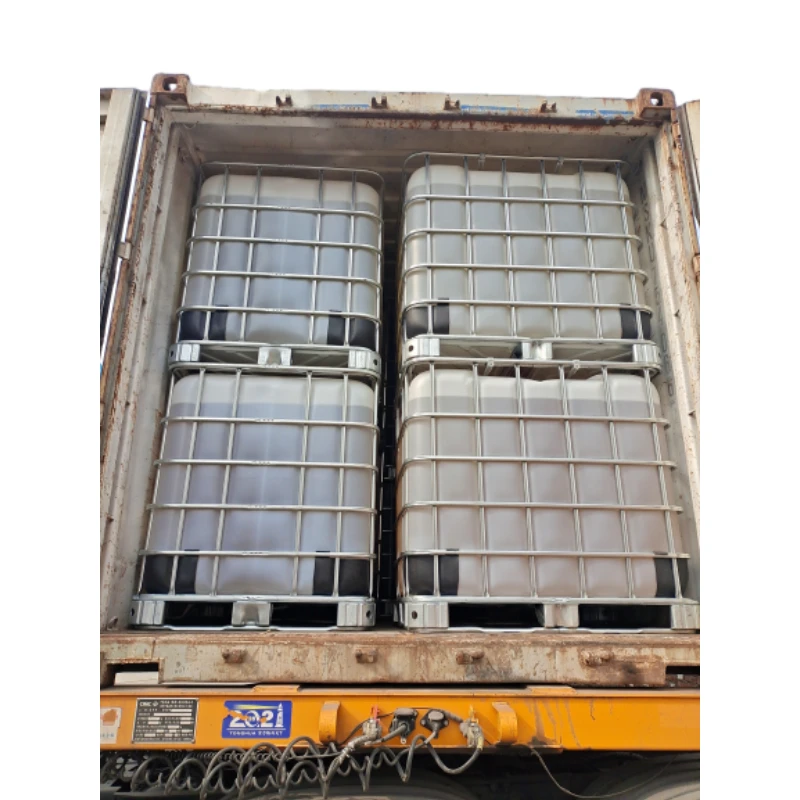
view more DiethanolisopropanolamineIn the ever-growing field of chemical solutions, diethanolisopropanolamine (DEIPA) stands out as a versatile and important compound. Due to its unique chemical structure and properties, DEIPA is of interest to various industries including construction, personal care, and agriculture. -
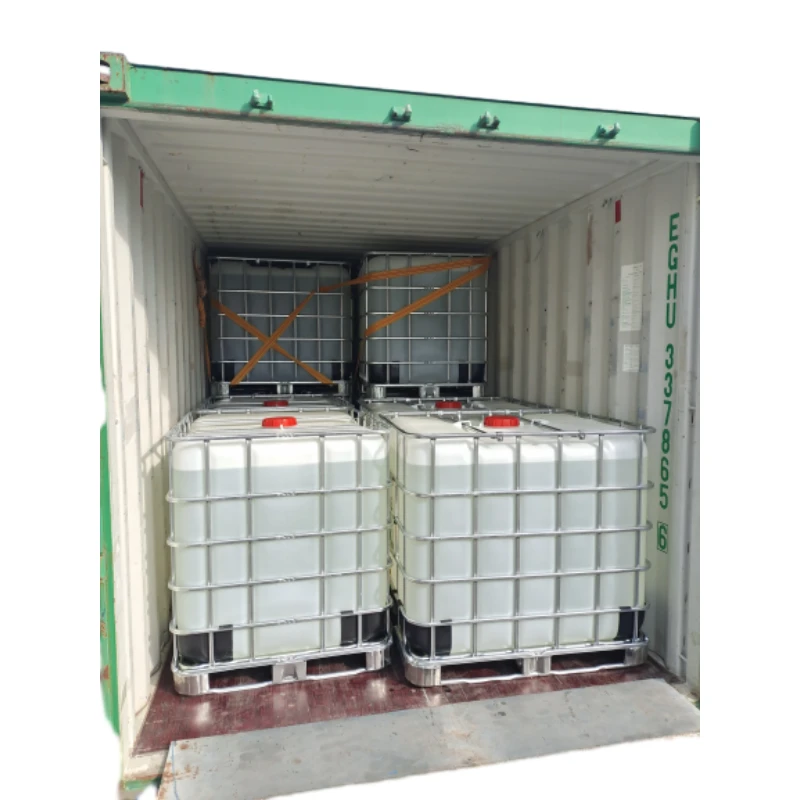
view more TriisopropanolamineTriisopropanolamine (TIPA) alkanol amine substance, is a kind of alcohol amine compound with amino and alcohol hydroxyl, and because of its molecules contains both amino and hydroxyl. -

view more Tetramethyl Thiuram DisulfideTetramethyl thiuram disulfide, also known as TMTD, is a white to light-yellow powder with a distinct sulfur-like odor. It is soluble in organic solvents such as benzene, acetone, and ethyl acetate, making it highly versatile for use in different formulations. TMTD is known for its excellent vulcanization acceleration properties, which makes it a key ingredient in the production of rubber products. Additionally, it acts as an effective fungicide and bactericide, making it valuable in agricultural applications. Its high purity and stability ensure consistent performance, making it a preferred choice for manufacturers across various industries.