





Essential Guide to Food Flavour Enhancers | Industry Insights
Understanding Food Flavour Enhancers: A Practical Guide
Having spent a good chunk of my career in the industrial equipment and ingredients sector, I can tell you that food flavour enhancers are something we don’t always talk about enough — yet they play a subtle but crucial role in modern food manufacturing. You know, it’s one of those ingredients that, if done right, is barely noticed but makes a world of difference in how a product tastes.
Flavour enhancers, in broad strokes, are additives designed to amplify the taste and aroma of food without adding new flavors of their own. I remember visiting a factory once where the engineers were particularly proud of how they used monosodium glutamate (MSG) derivatives alongside other enhancers to boost umami in savory snacks. It was fascinating how small tweaks could create such noticeably richer flavors — and frankly, the equipment to handle these enhancers had to be exceptionally precise to maintain consistency.
What many don’t realize is that these enhancers can be based on natural extracts, amino acids, or synthetic compounds, depending on food safety regulations and product goals. The best formulations offer excellent solubility and heat stability — because if the enhancer breaks down during baking or frying, well, that’s money out the window. Also, customization matters. I’ve seen customers in Asia request enhancers that emphasize sweetness over savoriness, while some in Europe prefer a subtle umami push.
Now, the specs below give you a sense of what a typical robust food flavour enhancer product looks like:
| Specification | Value |
|---|---|
| Appearance | Light beige powder |
| Moisture Content | ≤8% |
| Glutamic Acid Content | ≥30% |
| Solubility | Highly soluble in water |
| pH Range (1% solution) | 5.5 - 6.5 |
| Shelf Life | 24 months |
Oddly enough, not every supplier offers the same kind of testing or guarantees. In my experience, working with reliable vendors makes all the difference because the food industry is unforgiving — a small batch out of spec can lead to bigger production headaches or costly recalls. Here’s a quick rundown of how some popular vendors stack up in terms of product specs, support, and customization options:
| Vendor | Glutamic Acid Content (%) | Customization | Technical Support | Price Tier |
|---|---|---|---|---|
| Vendor A | ≥28% | Limited | Standard | Mid |
| Vendor B | ≥30% | Yes, broad | Comprehensive R&D | Premium |
| Vendor C | ≥25% | Standard | Basic | Budget |
There was this one client — a medium-sized snack producer — who switched to a higher-grade enhancer after repeated consumer feedback about blandness. I visited their factory floor one day, and the shift in aroma and taste was palpable, even to someone like me who isn’t necessarily tasting every sample with lab-grade precision. They reported a spike in repeat purchases which, honestly, is the sort of real-world story that makes you appreciate how critical these “invisible” ingredients really are.
And it’s always encouraging to see how some manufacturers are pushing for more natural, clean-label enhancers. While it’s not trivial to keep flavor intensity high using only natural sources, advancements in enzymatic processing and fermentation technology are making a difference. Plus, regulatory oversight has tightened, so suppliers must deliver high-purity, contaminant-free enhancers. Quality and safety have never been so intertwined.
In real terms, if you’re sourcing a flavor enhancer, look closely at solubility, pH tolerance, and how it behaves under your specific processing conditions. These details aren’t flashy, but they mean fewer production hiccups and more consistent product quality.
So, to sum up, food flavour enhancers are fascinating little warriors of the food industry — quietly ensuring that your favorite chips, soups, and ready meals taste a little better every bite. If you want to explore some well-engineered options backed by solid industry experience, I’d say check out food flavour enhancers from trusted suppliers and don’t hesitate to get samples tested under your real-world conditions.
Feel free to dive deeper or chat with experts — you might find some surprises along the way.
As always, reliable data and proper testing go a long way to building confidence — and frankly, there’s no substitute for experience in the fast-evolving flavor sector.
References:
- “Flavour Enhancers in Food Industry,” Food Science Journal, 2021.
- Supplier Technical Data Sheets and Industry White Papers, 2022.
- Personal field notes and client feedback, Industrial Food Additives Consultancy, 2015-2023.
-
The Essential Guide to Sorbates as Food Preservatives for SafetyNewsApr.16,2026
-
The Ultimate Guide to Sorbate Preservative in Modern IndustryNewsApr.09,2026
-
Comprehensive Guide to Sodium Stearoyl Lactylate Emulsifier Applications and BenefitsNewsApr.07,2026
-
Comprehensive Guide to Sodium Cyclamate Sweetener Properties and ApplicationsNewsApr.04,2026
-
Comprehensive Guide to Sodium Citrate Food Additive and Its ApplicationsNewsMar.31,2026
-
Comprehensive Guide to Sodium Bicarbonate Food Additive Applications and BenefitsNewsMar.28,2026
-
Understanding Sodium Benzoate Preservative in Cosmetics and Its ApplicationsNewsMar.26,2026
Hebei Tenger Chemical Technology Co., Ltd. focuses on the chemical industry and is committed to the export service of chemical raw materials.
-
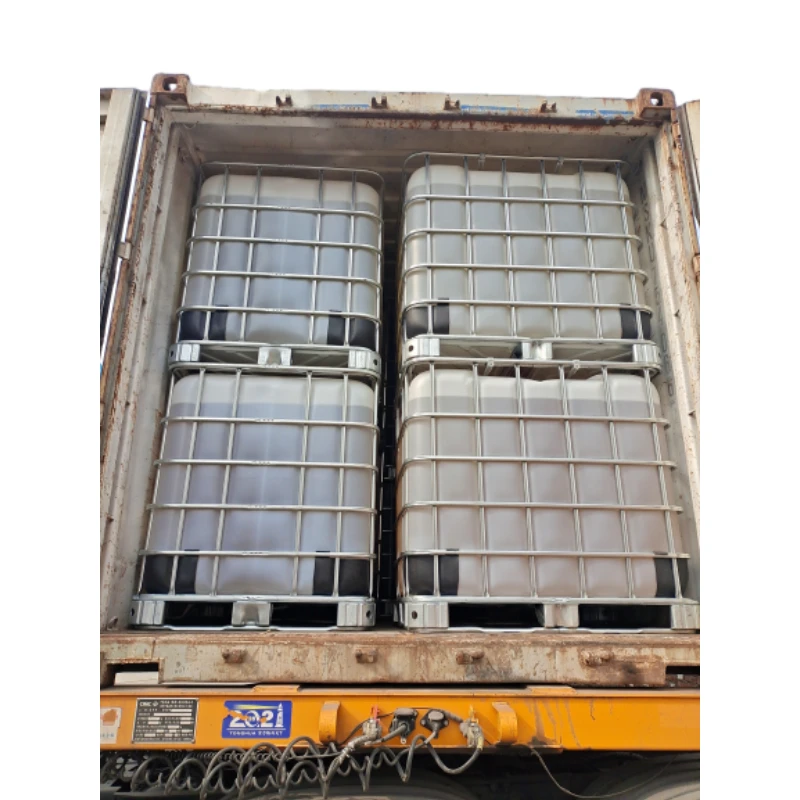
view more DiethanolisopropanolamineIn the ever-growing field of chemical solutions, diethanolisopropanolamine (DEIPA) stands out as a versatile and important compound. Due to its unique chemical structure and properties, DEIPA is of interest to various industries including construction, personal care, and agriculture. -
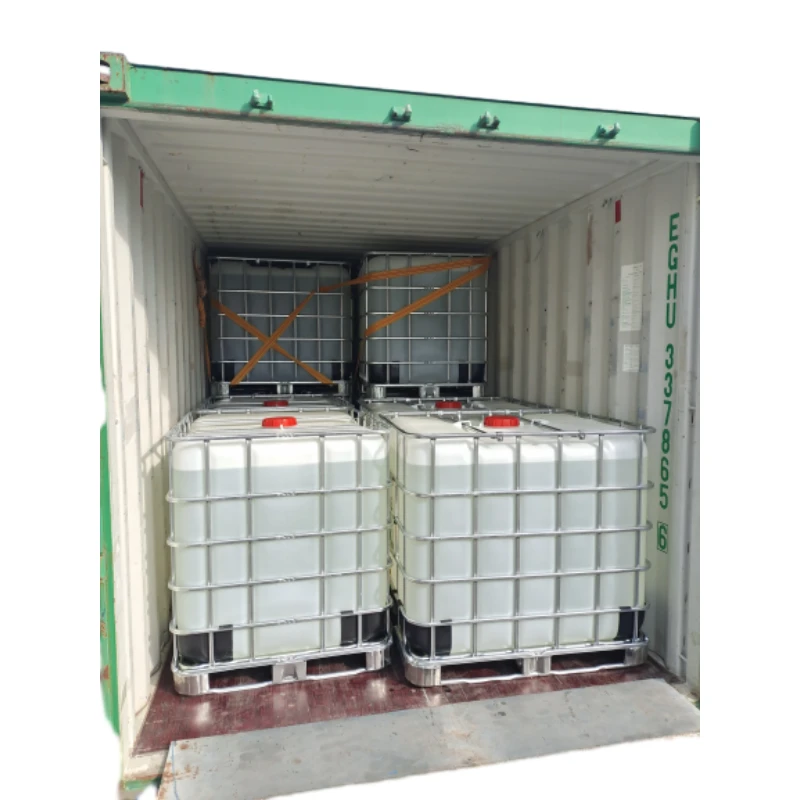
view more TriisopropanolamineTriisopropanolamine (TIPA) alkanol amine substance, is a kind of alcohol amine compound with amino and alcohol hydroxyl, and because of its molecules contains both amino and hydroxyl. -

view more Tetramethyl Thiuram DisulfideTetramethyl thiuram disulfide, also known as TMTD, is a white to light-yellow powder with a distinct sulfur-like odor. It is soluble in organic solvents such as benzene, acetone, and ethyl acetate, making it highly versatile for use in different formulations. TMTD is known for its excellent vulcanization acceleration properties, which makes it a key ingredient in the production of rubber products. Additionally, it acts as an effective fungicide and bactericide, making it valuable in agricultural applications. Its high purity and stability ensure consistent performance, making it a preferred choice for manufacturers across various industries.