





Food Enhancers Explained – Expert Insights for Industrial Use
Understanding Food Enhancers: A Veteran’s Take
Having spent well over a decade navigating the industrial equipment and chemical sectors, I’ve seen plenty of trends come and go. Yet, the world of food enhancers remains a fascinating steady force. These compounds don’t just tweak flavor — they amplify it in subtle but significant ways, and frankly, that’s something even seasoned engineers come to appreciate after a few field trials.
What often surprises newcomers is the diversity of food enhancers. While monosodium glutamate (MSG) often steals the spotlight, the category is broader and includes substances like disodium inosinate and guanylate, yeast extracts, and even natural extracts that can boost umami, saltiness, or sweetness without unduly altering the original food profile. In real terms, these enhancers allow food manufacturers to maintain taste consistency while optimizing costs — a vital balancing act in large-scale production.
From an equipment perspective, handling these enhancers requires precision. Their physical forms (powder, crystalline, or liquid) and solubility affect dispensing accuracy and integration within mixing lines. I recall a project where an improperly calibrated feeder caused clumping and inconsistent flavor — a costly reminder to respect the specs and dosing instructions. It feels like common sense, but you'd be surprised how often it’s overlooked.
| Parameter | Typical Value | Notes |
|---|---|---|
| Appearance | White crystalline powder | Easy to dissolve in water |
| Purity | ≥ 99% | Food-grade quality standard |
| Moisture | ≤ 0.5% | Ensures product stability |
| Packaging | 25 kg kraft paper bags | Customizable for large orders |
When it comes to vendor selection, the playing field is crowded. Not all suppliers offer the same blend of reliability, quality, and support. Oddly enough, price isn’t everything — in food processing, consistency is king. A fluctuation in enhancer concentration can disrupt product taste and trigger costly recalls.
| Feature | Vendor A | Vendor B | Vendor C |
|---|---|---|---|
| Purity (%) | ≥ 99% | ≥ 97% | ≥ 98.5% |
| Custom Packaging | Yes | No | Yes |
| Quality Certification | ISO 22000 | ISO 9001 | HACCP |
| Delivery Time | 2 weeks | 3 weeks | 1 week |
One memorable client I worked with was a mid-sized savory snack producer. They had inconsistencies in batch flavor which were luckily traced back to their enhancer supplier’s unstable stock. Switching to a trusted supplier significantly reduced their product returns — a vivid example of why experience and close vendor relationships matter.
Ultimately, embracing food enhancers is a nuanced choice. They’re not magic bullets, but when used thoughtfully, they bridge the gap between taste innovation and cost-efficiency. For anyone in industrial food production, understanding these materials inside out will pay dividends. It’s a small detail that often makes a big difference.
So, if you’re thinking about optimizing your product line, remember: quality enhancers + solid suppliers = happier customers.
References:
1. Global Food Enhancer Market Reports (2023)
2. Industry Standards for Food Additives, Codex Alimentarius
3. My personal archives & field notes, 2012–2023
-
The Essential Guide to Sorbates as Food Preservatives for SafetyNewsApr.16,2026
-
The Ultimate Guide to Sorbate Preservative in Modern IndustryNewsApr.09,2026
-
Comprehensive Guide to Sodium Stearoyl Lactylate Emulsifier Applications and BenefitsNewsApr.07,2026
-
Comprehensive Guide to Sodium Cyclamate Sweetener Properties and ApplicationsNewsApr.04,2026
-
Comprehensive Guide to Sodium Citrate Food Additive and Its ApplicationsNewsMar.31,2026
-
Comprehensive Guide to Sodium Bicarbonate Food Additive Applications and BenefitsNewsMar.28,2026
-
Understanding Sodium Benzoate Preservative in Cosmetics and Its ApplicationsNewsMar.26,2026
Hebei Tenger Chemical Technology Co., Ltd. focuses on the chemical industry and is committed to the export service of chemical raw materials.
-
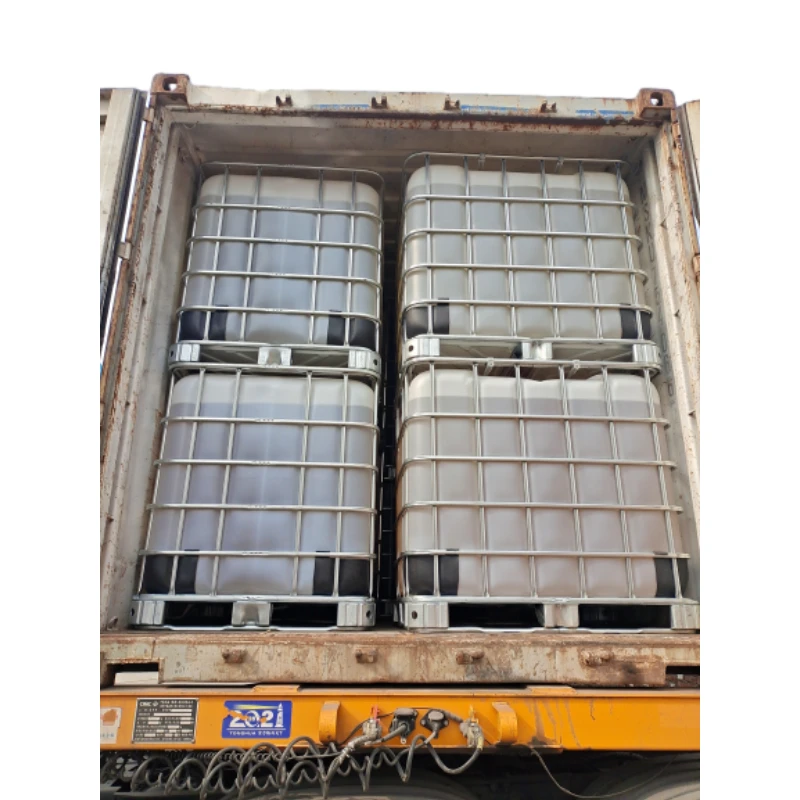
view more DiethanolisopropanolamineIn the ever-growing field of chemical solutions, diethanolisopropanolamine (DEIPA) stands out as a versatile and important compound. Due to its unique chemical structure and properties, DEIPA is of interest to various industries including construction, personal care, and agriculture. -
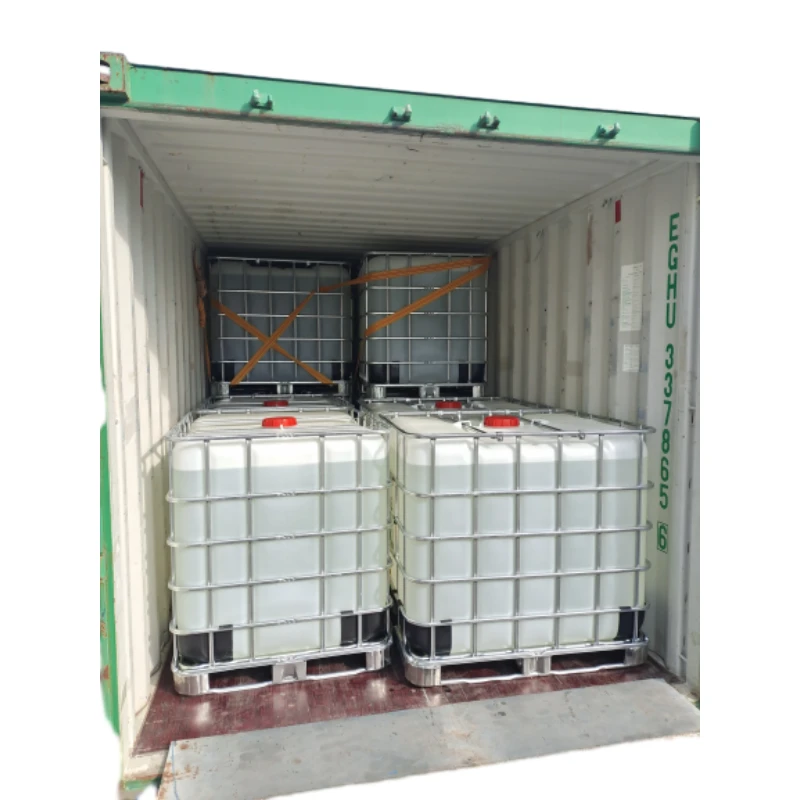
view more TriisopropanolamineTriisopropanolamine (TIPA) alkanol amine substance, is a kind of alcohol amine compound with amino and alcohol hydroxyl, and because of its molecules contains both amino and hydroxyl. -

view more Tetramethyl Thiuram DisulfideTetramethyl thiuram disulfide, also known as TMTD, is a white to light-yellow powder with a distinct sulfur-like odor. It is soluble in organic solvents such as benzene, acetone, and ethyl acetate, making it highly versatile for use in different formulations. TMTD is known for its excellent vulcanization acceleration properties, which makes it a key ingredient in the production of rubber products. Additionally, it acts as an effective fungicide and bactericide, making it valuable in agricultural applications. Its high purity and stability ensure consistent performance, making it a preferred choice for manufacturers across various industries.