





Food Enhancer MSG: Safe Flavor Boosting for Global Food Industry and Health
Understanding Food Enhancer MSG: The Umami Boost in Global Food Industry
The term food enhancer MSG often sparks curiosity and debate. But behind the acronym lies a simple yet powerful additive: monosodium glutamate. This humble compound has quietly woven itself into the fabric of global culinary practices, food manufacturing, and humanitarian food aid programs alike. Understanding its roles, benefits, and the challenges surrounding MSG is not just for food scientists or chefs — it’s vital for anyone involved in nutrition, supply chains, or even food policy worldwide.
Why the fuss? Well, the global food market is worth trillions, and enhancing flavor without excessive salt or fat is a constant challenge. MSG stands out as a cost-effective, scalable solution that improves taste, prolongs shelf-life, and often reduces sodium intake. This article dives deep into MSG’s role as a food enhancer and why it matters now more than ever.
Global Context: Why Food Enhancer MSG Matters
Globally, food consumption patterns have shifted dramatically over the last few decades. According to the Food and Agriculture Organization (FAO), demand for processed and convenience foods is soaring, especially in urbanizing regions like Asia-Pacific and Africa. Flavor enhancers like MSG have become pivotal in ensuring affordable, tasty options for millions.
Moreover, health organizations like the WHO emphasize reducing sodium intake to mitigate hypertension and cardiovascular diseases worldwide. Here, MSG presents a unique advantage: it amplifies taste with less sodium than traditional salt.
Still, the challenge remains — many consumers hesitate, confused by misinformation or safety concerns. That’s where clarity and expert understanding come in.
What Exactly Is Food Enhancer MSG?
In plain terms, food enhancer MSG is the sodium salt of glutamic acid, an amino acid naturally found in many foods like tomatoes, seaweed, and cheese. It enhances the umami flavor, one of the five basic tastes, often described as savory or meaty.
Industrial production involves fermenting starches, sugar beets, or molasses to produce MSG at scale. This process aligns MSG well with modern food industry demands — affordability, safety, and consistent quality.
Oddly enough, while MSG is synthetic, our bodies recognize it just as they do naturally occurring glutamate, meaning it enhances taste without unwanted side effects. It’s a perfect example of science meeting tradition.
Core Components: What Makes MSG an Effective Food Enhancer?
1. Umami Flavor Enhancement
MSG intensifies savory flavor profiles, making dishes taste richer and more satisfying, even when salt content is lowered.
2. Cost Efficiency
Compared to natural flavor enhancers like mushrooms or yeast extracts, MSG is more affordable and easy to integrate in large-scale food production.
3. Versatility
From soups and sauces to snacks and ready-meals, MSG seamlessly blends into multiple food categories.
4. Stability and Shelf-Life
MSG maintains its flavor-enhancing properties over time, aiding manufacturers in creating products that stay flavorful longer.
5. Safety Profile
Extensive studies by global health agencies confirm MSG’s safety when consumed within recommended limits.
| Characteristic | Description | Benefit |
|---|---|---|
| Umami Taste | Enhances savory flavor in food | Improves acceptability without extra salt |
| Sodium Content | Lower sodium than table salt | Supports health guidelines |
| Solubility | Easily dissolves in water or sauces | Versatile in food processing |
| Shelf Stability | Resists degradation under normal conditions | Ensures consistent flavor over time |
Mini takeaway: MSG works because it touches on multiple fronts — taste, safety, and economics — making it an almost indispensable food additive in many contexts.
Real-World Applications of Food Enhancer MSG
MSG’s reach stretches from your local snack bag to massive food aid programs. Here are some prominent use cases:
- Processed Foods: Enhances the flavor of chips, instant noodles, canned soups, and sauces worldwide.
- Foodservice Industry: Many restaurants use MSG to deepen flavor profiles without overly salting dishes.
- Humanitarian Relief: Organizations supplying ready-to-eat meals to disaster zones incorporate MSG to improve palatability, which can be critical when appetite is low.
- Low-Sodium Diets: Because MSG contains less sodium, it is used in products designed for heart health advocates.
- Regional Preferences: Asian cuisines heavily rely on natural forms of glutamates, and MSG complements this tradition in manufacturing.
For instance, in Southeast Asia, MSG is nearly ubiquitous in street food and packaged goods, helping balance seasoning affordably and reliably.
Advantages and Long-Term Value of Food Enhancer MSG
Digging deeper, the benefits of MSG extend beyond just making food tasty:
- Cost Savings: Food producers can cut back on more expensive spices or salt.
- Sustainability: Less sodium means potentially less hypertension-related healthcare burden.
- Social Impact: Making flavors more appealing encourages adequate nutrition in populations with limited appetites.
- Reliability: Consistent quality keeps production lines smooth and products standardized.
There’s also an emotional element here. Trustworthy flavor means comfort, nostalgia, and a sense of well-being at mealtimes — something many people take for granted but which is essential.
Future Trends in Food Enhancer MSG
The industry is evolving, and MSG itself is no exception. Emerging focuses include:
- Natural Fermentation Advances: Producing MSG using greener, bio-based methods to reduce environmental impact.
- Reduced Sodium Blends: Combining MSG with novel compounds to push sodium-reduction even further.
- Digital Flavor Profiling: AI-driven testing to optimize MSG usage targeting specific consumer preferences.
- Regulatory Adaptations: Aligning food enhancer approvals globally to streamline export/import challenges.
As sustainability becomes central, odd as it sounds, food enhancer msg might play a small but vital role in enabling tastier, healthier, lower-impact foods.
Challenges and Clever Solutions
MSG is not without controversy or hurdles:
- Misinformation: Many consumers worry about “MSG symptoms,” despite extensive scientific clearances by bodies like the FDA.
- Label Transparency: Some companies avoid listing MSG explicitly, causing trust issues.
- Allergen and Taste Sensitivities: A small subset of individuals report sensitivity; labeling and alternatives are critical here.
To tackle these, education campaigns, clearer labeling, and development of natural MSG alternatives are gaining traction.
Vendor Comparison: Leading Food Enhancer MSG Suppliers
| Supplier | Purity (%) | Annual Capacity (tons) | Sustainability Practices | Certifications |
|---|---|---|---|---|
| Tenger Chemical | ≥99.0% | 10,000 | Green fermentation, waste recycling | ISO9001, ISO22000, HALAL |
| Supplier B | 98.5% | 8,000 | Conventional fermentation | ISO9001, HACCP |
| Supplier C | 99.2% | 12,000 | Bio-based with renewable energy | ISO14001, FSSC22000 |
FAQ: Frequently Asked Questions About Food Enhancer MSG
- Is MSG safe to consume regularly?
- Yes. Regulatory bodies such as the FDA and the European Food Safety Authority have classified MSG as generally recognized as safe (GRAS) when consumed in typical amounts. Most people experience no adverse effects.
- Can MSG help reduce sodium content in foods?
- Absolutely. Because MSG enhances umami flavor, food producers can lower salt levels while maintaining taste, supporting health-oriented reformulations.
- Does MSG cause headaches or allergic reactions?
- Scientific evidence does not support widespread adverse reactions. A small number of individuals may have sensitivities, but this is rare, and products should be clearly labeled.
- How is MSG produced industrially?
- Mostly through fermentation of carbohydrate sources like sugar beets or molasses using specific bacteria, resulting in a high-purity crystalline product.
- Can MSG be used in halal and vegetarian products?
- Yes. MSG is suitable for vegetarian and halal diets, provided production and certification standards are maintained by the supplier.
Conclusion: Why Food Enhancer MSG Holds Long-Term Promise
In the grand scheme, food enhancer MSG is more than just a seasoning additive — it’s a strategic ingredient addressing global nutrition, food security, and cost challenges. While it has its skeptics, decades of research back its safety and effectiveness. The future looks bright, with innovations aiming to make MSG production greener, safer, and even more tailored.
If you’re interested in exploring reliable sources for high-quality food enhancer MSG or want to learn more, do visit https://www.tengerchemical.com. They’re industry leaders setting standards for quality and sustainability.
Sometimes, the simplest solution quietly shapes the world’s tables — and in MSG’s case, that’s both fascinating and flavorful.
References:
-
The Essential Guide to Sorbates as Food Preservatives for SafetyNewsApr.16,2026
-
The Ultimate Guide to Sorbate Preservative in Modern IndustryNewsApr.09,2026
-
Comprehensive Guide to Sodium Stearoyl Lactylate Emulsifier Applications and BenefitsNewsApr.07,2026
-
Comprehensive Guide to Sodium Cyclamate Sweetener Properties and ApplicationsNewsApr.04,2026
-
Comprehensive Guide to Sodium Citrate Food Additive and Its ApplicationsNewsMar.31,2026
-
Comprehensive Guide to Sodium Bicarbonate Food Additive Applications and BenefitsNewsMar.28,2026
-
Understanding Sodium Benzoate Preservative in Cosmetics and Its ApplicationsNewsMar.26,2026
Hebei Tenger Chemical Technology Co., Ltd. focuses on the chemical industry and is committed to the export service of chemical raw materials.
-
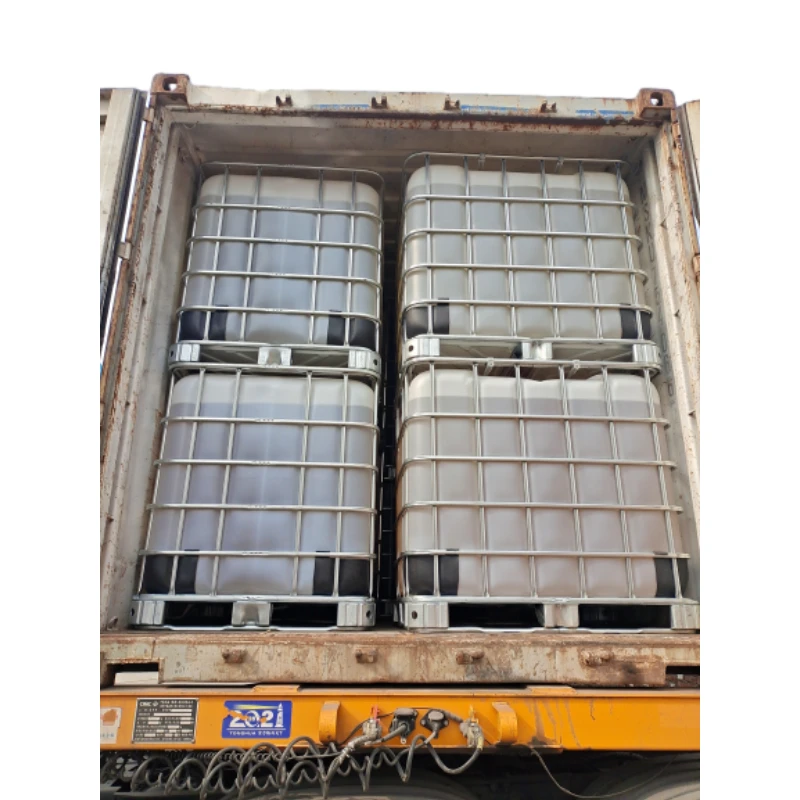
view more DiethanolisopropanolamineIn the ever-growing field of chemical solutions, diethanolisopropanolamine (DEIPA) stands out as a versatile and important compound. Due to its unique chemical structure and properties, DEIPA is of interest to various industries including construction, personal care, and agriculture. -
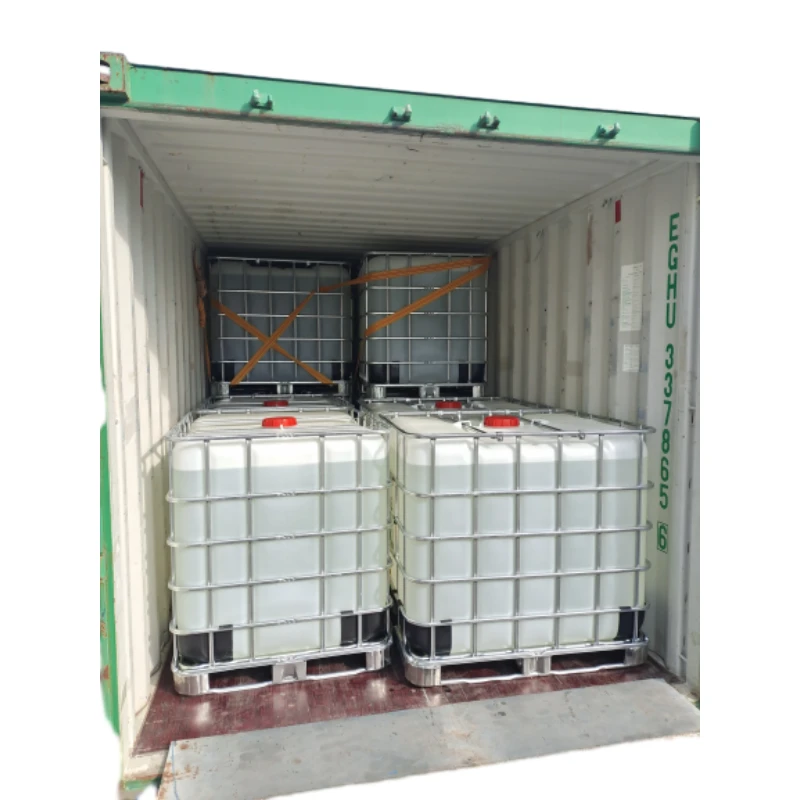
view more TriisopropanolamineTriisopropanolamine (TIPA) alkanol amine substance, is a kind of alcohol amine compound with amino and alcohol hydroxyl, and because of its molecules contains both amino and hydroxyl. -

view more Tetramethyl Thiuram DisulfideTetramethyl thiuram disulfide, also known as TMTD, is a white to light-yellow powder with a distinct sulfur-like odor. It is soluble in organic solvents such as benzene, acetone, and ethyl acetate, making it highly versatile for use in different formulations. TMTD is known for its excellent vulcanization acceleration properties, which makes it a key ingredient in the production of rubber products. Additionally, it acts as an effective fungicide and bactericide, making it valuable in agricultural applications. Its high purity and stability ensure consistent performance, making it a preferred choice for manufacturers across various industries.