





471 food additive
Understanding Food Additives An In-Depth Look at the Role of 471
Food additives have become a recurring topic in discussions about health, safety, and the overall quality of the food we consume. Among these additives, E471, also known as mono- and diglycerides, stands out as a commonly used ingredient in a variety of processed foods. This article aims to unravel what E471 is, its functions, and its implications for our health.
Understanding Food Additives An In-Depth Look at the Role of 471
One of the key advantages of using E471 is its ability to improve the stability and shelf life of food products. By preventing the separation of ingredients and maintaining the desired texture, it allows manufacturers to enhance the appeal of their products while ensuring they remain fresh for an extended period. Additionally, E471 can also serve as a thickener, stabilizer, and foaming agent, broadening its application in the food industry.
471 food additive
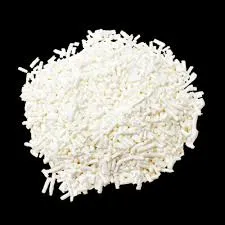
Despite its widespread use, the safety of E471 has been a subject of debate. Regulatory bodies such as the European Food Safety Authority (EFSA) and the Food and Drug Administration (FDA) in the United States have evaluated its safety and deemed it generally recognized as safe (GRAS) when consumed within the established limits. However, consumers are encouraged to be cautious, as the source of the fatty acids can vary. For instance, those who adhere to vegetarian or vegan diets may be concerned if E471 is derived from animal fats.
Moreover, the growing trend toward cleaner eating and awareness of food additives has prompted many to scrutinize food labels more carefully. The presence of E471 in food products may raise questions among health-conscious consumers, leading to a preference for more natural alternatives. As a result, some manufacturers have started to respond to consumer demand by reformulating their products to eliminate certain additives or opt for more transparent labeling.
In conclusion, E471 is a multifaceted food additive that plays a crucial role in the texture and shelf life of many processed foods. While regulatory agencies consider it safe for consumption, individuals with dietary restrictions or those who prioritize a clean diet may want to pay close attention to this ingredient on food labels. As consumers become increasingly aware of what goes into their food, it is essential to foster conversations about food additives like E471, balancing the convenience of processed foods with the desire for natural, wholesome ingredients. Ultimately, knowledge is power, and understanding what we consume can lead to healthier choices and informed decisions in our dietary practices.
-
How to Choose Dimethyl Disulfide DMDS for Industrial UseNewsNov.09,2026
-
Aspartame Buyer FAQ: Sweetness, Specifications and ApplicationsNewsNov.02,2026
-
Aluminum Hydroxide FAQ: Specifications, Ordering and Support QuestionsNewsOct.28,2026
-
Improve Crop Yield with Premium Calcium Boron FertilizerNewsJul.01,2026
-
Ultimate Guide to Cal Mag Fertilizer for Boosting Plant HealthNewsJun.29,2026
-
Maximize Crop Recovery Using High Performance Bounce Back FertilizerNewsJun.27,2026
-
Maximize Crop Yields and Soil Health with Biozyme FertilizerNewsJun.26,2026
Hebei Tenger Chemical Technology Co., Ltd. focuses on the chemical industry and is committed to the export service of chemical raw materials.
-

view more Tplyltriazole(TTA)Tplyltriazole is a powerful and versatile corrosion inhibitor,it is a white particle or powder that is easily hygroscopic and can be processed into large, small, columnar, fine, or powdered shapes.It is a highly effective solution for preventing rust and corrosion on a variety of metal surfaces, making it an ideal choice for a wide range of applications. -

view more Formic AcidFormic acid, is a colorless, pungent-smelling liquid.With its unique properties and diverse applications that serves a wide range of industrial and commercial applications. -

view more Aluminum HydroxideAluminum Hydroxide, a versatile and essential product for a wide range of applications.This product is a white, amorphous powder that is insoluble in water and has a variety of uses in industries such as pharmaceuticals, cosmetics, and manufacturing.