





Exploring the Benefits and Uses of Sweeteners 950 and 951 in Food Products
Understanding 950 and 951 Sweeteners A Closer Look at Artificial Sweeteners
In the realm of food and beverage manufacturing, sweeteners play a crucial role in enhancing flavor while enabling food producers to provide low-calorie or sugar-free options. Among the various artificial sweeteners, two of the most frequently discussed are Aspartame (E951) and Acesulfame Potassium (E950). Both of these sweeteners are widely used worldwide, yet they differ significantly in their composition, benefits, and concerns. This article aims to elucidate the properties and implications of using E950 and E951 sweeteners in our diets.
Composition and Properties
Aspartame (E951) is a low-calorie artificial sweetener that is approximately 200 times sweeter than sugar. It is composed of two amino acids, aspartic acid and phenylalanine, which are naturally occurring substances found in many protein-rich foods. This sweetener is commonly used in soft drinks, flavored water, sugar-free desserts, and various low-calorie products due to its ability to mimic the taste of sugar without the added calories.
Acesulfame Potassium (E950), on the other hand, is also a non-nutritive sweetener that is approximately 200 times sweeter than sugar, but unlike Aspartame, it is a potassium salt. Acesulfame K is often used in combination with other sweeteners to enhance the overall sweetness profile and to mask any bitter aftertastes that may arise from other artificial sweeteners. It finds common applications in baked goods, candies, and even baked products, thanks to its stability at high temperatures.
Benefits and Applications
One of the main advantages of using both Aspartame and Acesulfame K is their potential to help individuals manage their caloric intake. As lifestyle-related health issues like obesity and diabetes continue to rise, these sweeteners offer viable alternatives for those looking to reduce sugar consumption. Products sweetened with E950 and E951 typically contain fewer calories than their sugar-laden counterparts, making them popular choices for health-conscious consumers.
950 and 951 sweeteners
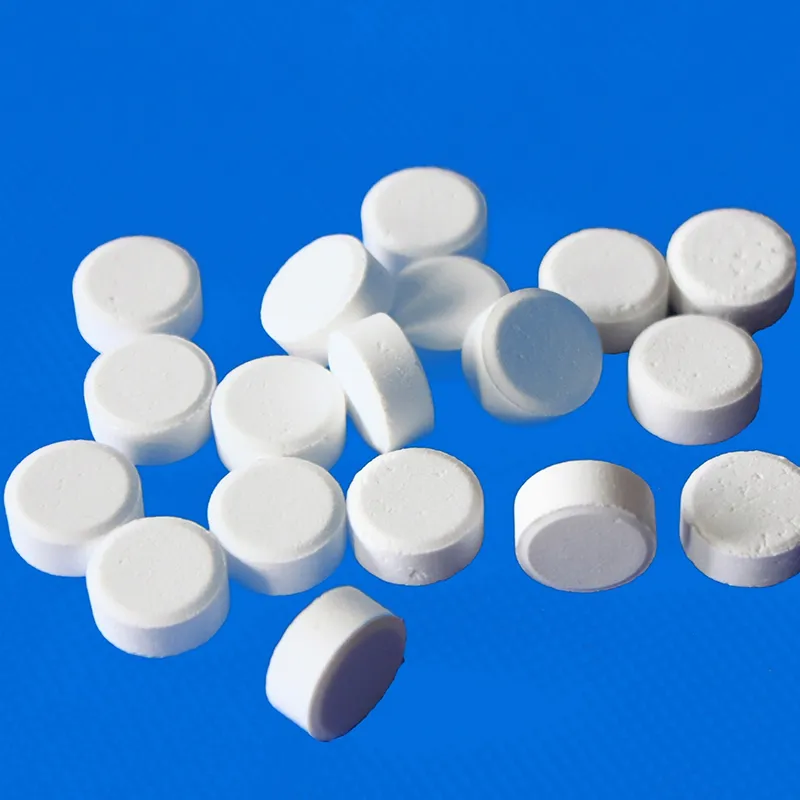
Additionally, both sweeteners are used extensively in the food industry due to their versatility. E951 and E950 can be found in a wide array of products, from diet sodas to sugar-free chewing gum, enabling consumers to enjoy sweet flavors without the associated caloric burden.
Health Concerns and Regulatory Oversight
Despite their benefits, both Aspartame and Acesulfame K have been subjects of debate and scrutiny. Some studies have raised concerns regarding the long-term health effects of consuming these artificial sweeteners. For instance, people with a rare genetic disorder called phenylketonuria (PKU) must avoid Aspartame, as their bodies cannot process phenylalanine effectively. Regulatory bodies like the U.S. Food and Drug Administration (FDA) and the European Food Safety Authority (EFSA) have conducted thorough evaluations of these sweeteners and deemed them safe for public consumption at established acceptable daily intake (ADI) levels.
However, many consumers still choose to limit their intake of artificial sweeteners in favor of natural alternatives. As such, the market has seen an increase in demand for sugar substitutes derived from natural sources, such as stevia and monk fruit, which could be perceived as healthier options.
Conclusion
In summary, E950 and E951 sweeteners, while providing significant benefits in terms of calorie reduction and flavor enhancement, are not without their controversies. Aspartame and Acesulfame K have helped shape the landscape of low-calorie foods and beverages but also remind us of the need for balanced consumption and ongoing research into their long-term health effects. As the food industry evolves, both consumers and producers should remain informed about the ingredients they choose, balancing between enjoyment and health considerations effectively.
-
Aspartame Buyer FAQ: Sweetness, Specifications and ApplicationsNewsNov.02,2026
-
Aluminum Hydroxide FAQ: Specifications, Ordering and Support QuestionsNewsOct.28,2026
-
Improve Crop Yield with Premium Calcium Boron FertilizerNewsJul.01,2026
-
Ultimate Guide to Cal Mag Fertilizer for Boosting Plant HealthNewsJun.29,2026
-
Maximize Crop Recovery Using High Performance Bounce Back FertilizerNewsJun.27,2026
-
Maximize Crop Yields and Soil Health with Biozyme FertilizerNewsJun.26,2026
-
Sustainable Agriculture Guide using bio organic fertilizerNewsJun.25,2026
Hebei Tenger Chemical Technology Co., Ltd. focuses on the chemical industry and is committed to the export service of chemical raw materials.
-

view more Tplyltriazole(TTA)Tplyltriazole is a powerful and versatile corrosion inhibitor,it is a white particle or powder that is easily hygroscopic and can be processed into large, small, columnar, fine, or powdered shapes.It is a highly effective solution for preventing rust and corrosion on a variety of metal surfaces, making it an ideal choice for a wide range of applications. -

view more Formic AcidFormic acid, is a colorless, pungent-smelling liquid.With its unique properties and diverse applications that serves a wide range of industrial and commercial applications. -

view more Aluminum HydroxideAluminum Hydroxide, a versatile and essential product for a wide range of applications.This product is a white, amorphous powder that is insoluble in water and has a variety of uses in industries such as pharmaceuticals, cosmetics, and manufacturing.