





acetic acid preservative
The Role of Acetic Acid as a Preservative
Acetic acid, a colorless liquid with a pungent smell, is best known as the primary component of vinegar. Beyond its culinary applications, acetic acid plays a significant role as a preservative, effectively extending the shelf life of various food products. The use of acetic acid as a preservative can be attributed to its antimicrobial properties, ability to lower pH, and its overall effectiveness in inhibiting the growth of spoilage microorganisms.
The Role of Acetic Acid as a Preservative
Apart from its antimicrobial properties, acetic acid is also recognized for its antioxidant capabilities. By slowing down oxidation, acetic acid helps in maintaining the flavor, color, and nutritional value of foods, thereby enhancing its overall quality. This is particularly important in processed foods where maintaining freshness is crucial for consumer satisfaction.
acetic acid preservative
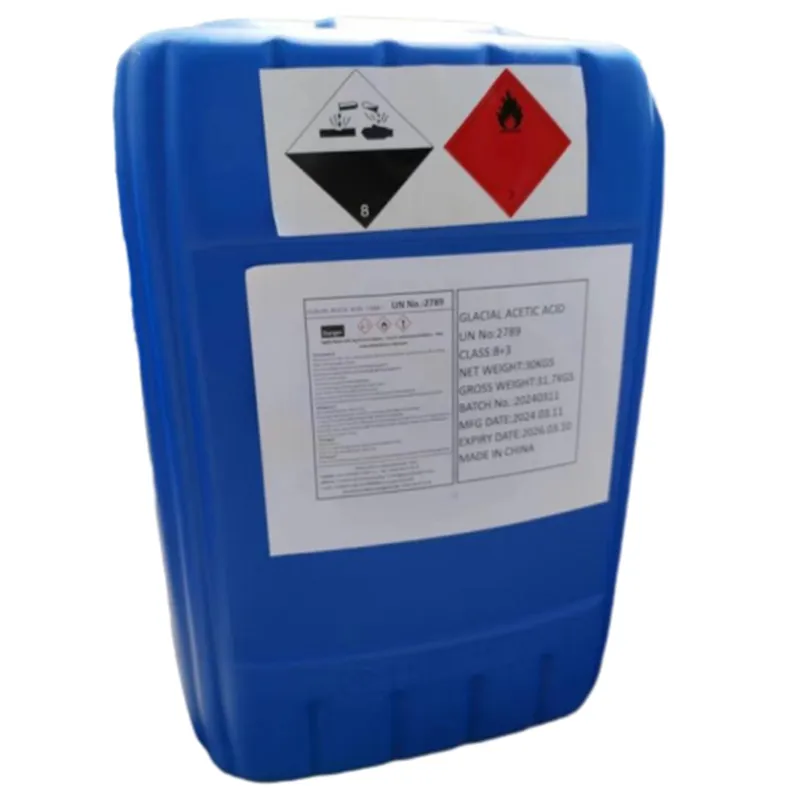
Furthermore, acetic acid is recognized for its versatility. It can be used in various food products, including sauces, marinades, and salad dressings. This adaptability makes it a preferred choice for food manufacturers looking to optimize preservation methods while also aligning with consumer trends towards natural ingredients.
Despite its strong preservative qualities, the use of acetic acid must be carefully controlled. Excessive amounts can lead to undesirable flavors and a sour taste that may not be appealing to consumers. Regulations and guidelines exist to ensure that it is used within safe limits that enhance food quality without compromising flavor.
In conclusion, acetic acid serves as an essential preservative in the food industry, offering multiple benefits such as antimicrobial action, pH regulation, and antioxidant properties. Its effectiveness in preventing spoilage and extending the shelf life of food products makes it invaluable. As consumers increasingly seek natural food preservation methods, the role of acetic acid as a preservative will likely continue to grow, reinforcing its position as a key ingredient in food safety and quality. Understanding the science behind acetic acid not only enhances food production processes but also allows for the development of safer and more appealing food products for consumers worldwide.
-
How to Choose Dimethyl Disulfide DMDS for Industrial UseNewsNov.09,2026
-
Aspartame Buyer FAQ: Sweetness, Specifications and ApplicationsNewsNov.02,2026
-
Aluminum Hydroxide FAQ: Specifications, Ordering and Support QuestionsNewsOct.28,2026
-
Improve Crop Yield with Premium Calcium Boron FertilizerNewsJul.01,2026
-
Ultimate Guide to Cal Mag Fertilizer for Boosting Plant HealthNewsJun.29,2026
-
Maximize Crop Recovery Using High Performance Bounce Back FertilizerNewsJun.27,2026
-
Maximize Crop Yields and Soil Health with Biozyme FertilizerNewsJun.26,2026
Hebei Tenger Chemical Technology Co., Ltd. focuses on the chemical industry and is committed to the export service of chemical raw materials.
-

view more Tplyltriazole(TTA)Tplyltriazole is a powerful and versatile corrosion inhibitor,it is a white particle or powder that is easily hygroscopic and can be processed into large, small, columnar, fine, or powdered shapes.It is a highly effective solution for preventing rust and corrosion on a variety of metal surfaces, making it an ideal choice for a wide range of applications. -

view more Formic AcidFormic acid, is a colorless, pungent-smelling liquid.With its unique properties and diverse applications that serves a wide range of industrial and commercial applications. -

view more Aluminum HydroxideAluminum Hydroxide, a versatile and essential product for a wide range of applications.This product is a white, amorphous powder that is insoluble in water and has a variety of uses in industries such as pharmaceuticals, cosmetics, and manufacturing.