





acetone and rubber
The Role of Acetone in Rubber Manufacturing
Acetone, a colorless, volatile organic compound (C3H6O), is a critical solvent in various industrial applications. One of its most significant roles lies in the rubber manufacturing industry. As the demand for rubber products continues to grow, understanding the interaction between acetone and rubber becomes increasingly vital. This article explores the properties of acetone, its applications in rubber production, and its effects on different types of rubber.
Properties of Acetone
Acetone is known for its fast evaporation rate and high solvency power. It is a polar solvent that can dissolve a wide range of substances, including oils, resins, and various polymers. Its chemical stability and ability to mix with water make it an ideal candidate for many industrial applications. Acetone is also used in laboratories and healthcare settings as a cleaning agent and a solvent for various reactions.
Applications in Rubber Manufacturing
In the rubber industry, acetone is primarily employed as a solvent in the processing of rubber compounds. When creating rubber products, manufacturers need to blend various ingredients, such as polymer resins, fillers, plasticizers, and curing agents. Acetone facilitates this blending process, ensuring that the components are evenly distributed throughout the mixture.
Moreover, acetone plays a vital role in the cleaning and preparation of rubber surfaces. It effectively removes contaminants, oils, and other residues that might interfere with the adhesion of rubber to surfaces during fabrication or assembly processes. This cleaning capability is crucial for producing reliable, high-quality rubber products.
Acetone is also used in the manufacture of specific rubber types, such as neoprene and nitrile rubbers. In these processes, acetone helps in the dissolution and proper mixing of the rubber polymers, leading to the desired material properties. The versatility of acetone allows for adjustments in viscosity and consistency, tailoring the rubber blends to meet specific application requirements.
acetone and rubber
Effects on Rubber Types
While acetone serves numerous beneficial roles in rubber manufacturing, it also has notable effects on different rubber types. Natural rubber, for instance, can swell and lose its mechanical properties when exposed to acetone. This swelling occurs as the acetone molecules penetrate the rubber matrix, disrupting its structural integrity. As a result, while acetone is useful during processing, care must be taken regarding its use in applications involving natural rubber.
On the other hand, synthetic rubbers, such as styrene-butadiene rubber (SBR) and ethylene-propylene diene monomer (EPDM), may respond differently to acetone exposure. These synthetic materials often exhibit better resistance to solvents, including acetone, allowing manufacturers to incorporate acetone with minimized risk of deterioration. However, the actual response can vary based on the specific formulation and curing agents used in the rubber compound.
Safety Considerations
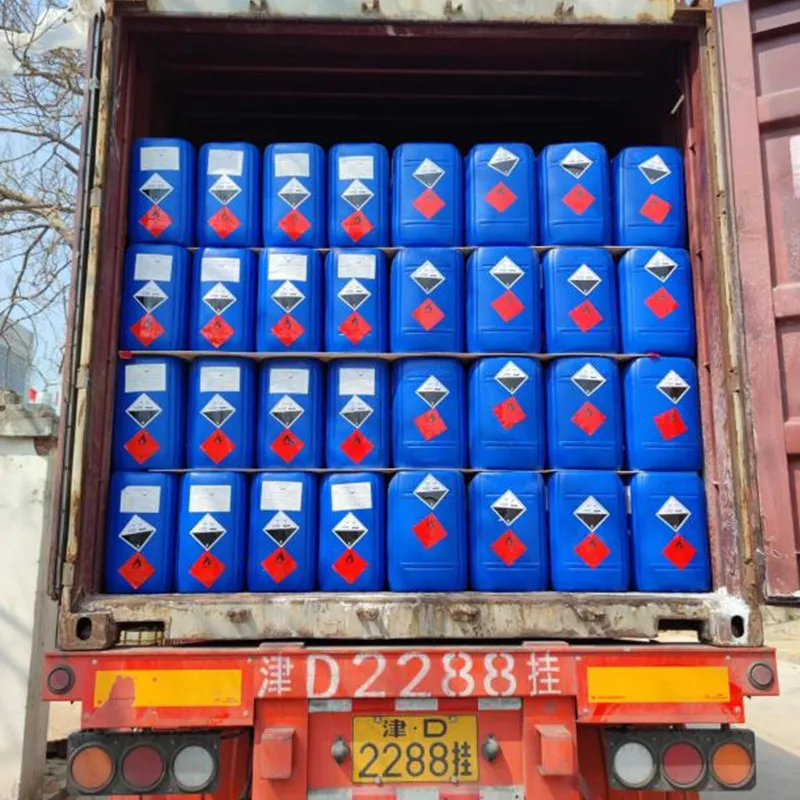
Despite its effectiveness, the use of acetone in rubber manufacturing is accompanied by safety considerations. Being a flammable liquid, acetone poses fire hazards in manufacturing environments. Proper storage, handling practices, and ventilation are essential to minimize risks. Additionally, acetone vapors can be harmful when inhaled, requiring protective equipment and adequate respiratory protection for workers.
Conclusion
Acetone's role in rubber manufacturing is both multifaceted and critical. While it aids in blending, cleaning, and processing rubber compounds, it also necessitates precautions due to its solvent effects and safety concerns. As the rubber industry continues to evolve, the understanding and management of acetone interactions will be key in optimizing manufacturing processes and ensuring product quality. With advancements in technology and materials science, the future may hold even more innovative uses for acetone in conjunction with rubber and other polymers, enhancing efficiency while maintaining safety and environmental standards.
-
How to Choose Dimethyl Disulfide DMDS for Industrial UseNewsNov.09,2026
-
Aspartame Buyer FAQ: Sweetness, Specifications and ApplicationsNewsNov.02,2026
-
Aluminum Hydroxide FAQ: Specifications, Ordering and Support QuestionsNewsOct.28,2026
-
Improve Crop Yield with Premium Calcium Boron FertilizerNewsJul.01,2026
-
Ultimate Guide to Cal Mag Fertilizer for Boosting Plant HealthNewsJun.29,2026
-
Maximize Crop Recovery Using High Performance Bounce Back FertilizerNewsJun.27,2026
-
Maximize Crop Yields and Soil Health with Biozyme FertilizerNewsJun.26,2026
Hebei Tenger Chemical Technology Co., Ltd. focuses on the chemical industry and is committed to the export service of chemical raw materials.
-

view more Tplyltriazole(TTA)Tplyltriazole is a powerful and versatile corrosion inhibitor,it is a white particle or powder that is easily hygroscopic and can be processed into large, small, columnar, fine, or powdered shapes.It is a highly effective solution for preventing rust and corrosion on a variety of metal surfaces, making it an ideal choice for a wide range of applications. -

view more Formic AcidFormic acid, is a colorless, pungent-smelling liquid.With its unique properties and diverse applications that serves a wide range of industrial and commercial applications. -

view more Aluminum HydroxideAluminum Hydroxide, a versatile and essential product for a wide range of applications.This product is a white, amorphous powder that is insoluble in water and has a variety of uses in industries such as pharmaceuticals, cosmetics, and manufacturing.