





The Role of Acidulants in Enhancing Food Flavor and Preservation Techniques
The Role and Importance of Acidulants in Food
Acidulants are substances added to food to lend acidity, enhance flavor, and act as preservatives. Their utility spans a diverse range of products, from beverages to dairy, confectionery to meat, making them indispensable in the modern culinary and food production landscape. This article explores the various types of acidulants, their functions, and their impact on food quality and safety.
Types of Acidulants
Acidulants can be classified into two main categories organic and inorganic acids. Common organic acidulants include citric acid, acetic acid, lactic acid, and tartaric acid, while well-known inorganic acidulants comprise phosphoric acid and sulfuric acid.
1. Citric Acid Extracted from citrus fruits, citric acid is perhaps the most widely used acidulant. It adds a fresh, tangy flavor to foods and beverages, and it is particularly prevalent in soft drinks, sauces, and jams. Citric acid is also an excellent chelating agent, which means it can bind metals, helping to stabilize products and improve shelf life.
2. Acetic Acid Primarily found in vinegar, acetic acid contributes a sharp, pungent taste and is essential in pickling and preserving vegetables and meats. Beyond flavor enhancement, it possesses antimicrobial properties, which can inhibit the growth of spoilage organisms and pathogens.
3. Lactic Acid Produced through fermentation, lactic acid is commonly found in yogurt, sauerkraut, and other fermented foods. It contributes to the tangy flavor profile of these products and is essential in developing the characteristics of sourdough bread and many dairy products.
4. Tartaric Acid Often associated with winemaking and cream of tartar, tartaric acid helps stabilize egg whites and provides a tart flavor to baked goods and confections. Its ability to maintain the texture and quality of food items makes it a valuable ingredient in many baking recipes.
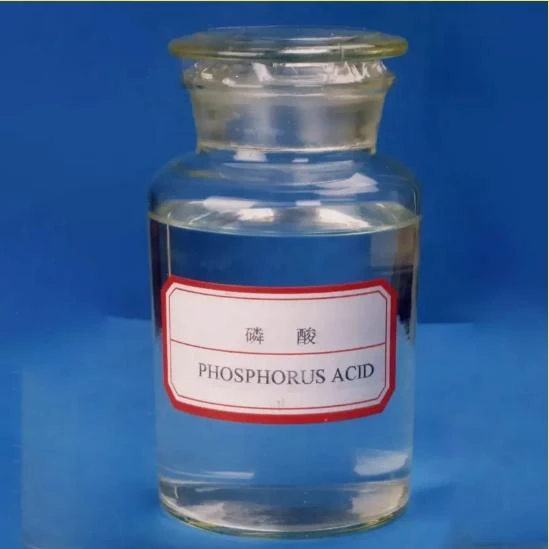
5. Phosphoric Acid Found in many cola beverages, phosphoric acid lends acidity and contributes to the overall flavor profile. It's crucial in soft drinks to maintain a balanced taste and to prevent the growth of bacteria.
acidulant in food
Functions of Acidulants
The primary functions of acidulants in food include
- Flavor Enhancement By introducing acidity, acidulants can elevate the taste profile of foods, making them more appealing. The tartness can create a pleasing contrast with sweetness, enhancing the overall flavor experience.
- Preservation Acidulants play a vital role in food preservation by lowering the pH, which inhibits the growth of spoilage microorganisms and pathogens. This is particularly important in product categories like salad dressings, sauces, and fermented foods, where extended shelf life is necessary.
- pH Regulation Maintaining the appropriate pH in food products is crucial for chemical stability and the effectiveness of preservatives. Acidulants help ensure that processes such as fermentation and carbonation occur optimally.
- Texture Improvement Certain acidulants can influence the texture of food products. Lactic acid, for example, contributes to the creaminess of dairy products while also enhancing mouthfeel.
Health Considerations
When used properly, acidulants are generally recognized as safe by food safety authorities like the FDA and EFSA. However, excessive consumption can lead to gastrointestinal discomfort or contribute to dental erosion, particularly from acidic beverages. As such, moderated use and consumer awareness are essential.
In conclusion, acidulants are vital components in the food industry, serving multiple functions ranging from flavor enhancement to preservation. Their diverse applications and functionalities not only improve the sensory qualities of food but also contribute to food safety and shelf life. As consumer preferences evolve and the demand for innovative food products increases, the significance of acidulants in food science and technology is likely to continue growing, ensuring that the culinary landscape remains dynamic and engaging.
-
How to Choose Dimethyl Disulfide DMDS for Industrial UseNewsNov.09,2026
-
Aspartame Buyer FAQ: Sweetness, Specifications and ApplicationsNewsNov.02,2026
-
Aluminum Hydroxide FAQ: Specifications, Ordering and Support QuestionsNewsOct.28,2026
-
Improve Crop Yield with Premium Calcium Boron FertilizerNewsJul.01,2026
-
Ultimate Guide to Cal Mag Fertilizer for Boosting Plant HealthNewsJun.29,2026
-
Maximize Crop Recovery Using High Performance Bounce Back FertilizerNewsJun.27,2026
-
Maximize Crop Yields and Soil Health with Biozyme FertilizerNewsJun.26,2026
Hebei Tenger Chemical Technology Co., Ltd. focuses on the chemical industry and is committed to the export service of chemical raw materials.
-

view more Tplyltriazole(TTA)Tplyltriazole is a powerful and versatile corrosion inhibitor,it is a white particle or powder that is easily hygroscopic and can be processed into large, small, columnar, fine, or powdered shapes.It is a highly effective solution for preventing rust and corrosion on a variety of metal surfaces, making it an ideal choice for a wide range of applications. -

view more Formic AcidFormic acid, is a colorless, pungent-smelling liquid.With its unique properties and diverse applications that serves a wide range of industrial and commercial applications. -

view more Aluminum HydroxideAluminum Hydroxide, a versatile and essential product for a wide range of applications.This product is a white, amorphous powder that is insoluble in water and has a variety of uses in industries such as pharmaceuticals, cosmetics, and manufacturing.