





additive ingredients
The Role of Additive Ingredients in Modern Food Production
In today's food industry, the term additive ingredients encompasses a wide range of substances that are added to food products to enhance flavor, appearance, texture, and shelf-life. These additives have become a significant part of our daily diets, often without our awareness. Understanding their roles and implications is essential for consumers making informed choices about their food.
Additives can be categorized into several classes, including preservatives, colorings, flavor enhancers, emulsifiers, and stabilizers. Preservatives, for instance, are substances that inhibit the growth of bacteria, molds, and yeasts, prolonging the shelf-life of products. Common examples include sodium benzoate and potassium sorbate. These ingredients are particularly important in processed foods, where maintaining freshness is crucial.
Color additives are used not only to enhance the visual appeal of food but also to compensate for color lost during processing. For example, Red 40 and Yellow 5 are frequently found in soft drinks and candies. While these colors can make food more attractive, there has been ongoing debate about their safety and potential health effects. Some consumers are increasingly seeking out natural alternatives, leading to a rise in products colored with beet juice or turmeric.
Flavor enhancers, such as monosodium glutamate (MSG), are another category of additives that draw both interest and concern. They are designed to intensify the existing flavors in food, making them more appealing to consumers. While many people enjoy the enhanced taste provided by these ingredients, others report sensitivity to MSG, prompting some manufacturers to advertise their products as “MSG-free.”
additive ingredients
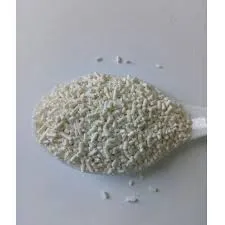
Emulsifiers and stabilizers play critical roles in food texture. They help mixtures of oil and water to blend seamlessly, preventing separation. Common emulsifiers like lecithin and mono- and diglycerides are found in many products, from salad dressings to ice creams. The texture they provide not only improves mouthfeel but also enhances the overall sensory experience of eating.
Despite the benefits, the use of additive ingredients raises concerns about food safety and health. Regulatory agencies, such as the FDA in the United States, evaluate these substances before they can be used in food products. However, the long-term effects of consuming certain additives remain subjects of research and debate. Some studies suggest links between certain additives and health issues, including hyperactivity in children and allergic reactions, prompting calls for stricter regulations and clearer labeling.
As conscious consumers, it is essential to be informed about what we are eating. Reading food labels and understanding the role of various additives allows individuals to make choices that align with their health goals and values. Additionally, the trend towards cleaner labels—products with minimal or natural ingredients—reflects a growing public demand for transparency in food production.
In conclusion, additive ingredients play a vital role in enhancing food products, but awareness of their benefits and potential risks is essential. By making informed decisions, consumers can navigate the complexities of modern food systems and prioritize their health and well-being.
-
How to Choose Dimethyl Disulfide DMDS for Industrial UseNewsNov.09,2026
-
Aspartame Buyer FAQ: Sweetness, Specifications and ApplicationsNewsNov.02,2026
-
Aluminum Hydroxide FAQ: Specifications, Ordering and Support QuestionsNewsOct.28,2026
-
Improve Crop Yield with Premium Calcium Boron FertilizerNewsJul.01,2026
-
Ultimate Guide to Cal Mag Fertilizer for Boosting Plant HealthNewsJun.29,2026
-
Maximize Crop Recovery Using High Performance Bounce Back FertilizerNewsJun.27,2026
-
Maximize Crop Yields and Soil Health with Biozyme FertilizerNewsJun.26,2026
Hebei Tenger Chemical Technology Co., Ltd. focuses on the chemical industry and is committed to the export service of chemical raw materials.
-

view more Tplyltriazole(TTA)Tplyltriazole is a powerful and versatile corrosion inhibitor,it is a white particle or powder that is easily hygroscopic and can be processed into large, small, columnar, fine, or powdered shapes.It is a highly effective solution for preventing rust and corrosion on a variety of metal surfaces, making it an ideal choice for a wide range of applications. -

view more Formic AcidFormic acid, is a colorless, pungent-smelling liquid.With its unique properties and diverse applications that serves a wide range of industrial and commercial applications. -

view more Aluminum HydroxideAluminum Hydroxide, a versatile and essential product for a wide range of applications.This product is a white, amorphous powder that is insoluble in water and has a variety of uses in industries such as pharmaceuticals, cosmetics, and manufacturing.