





additives and preservatives used in food processing
Additives and Preservatives Used in Food Processing
In the realm of food processing, additives and preservatives play a critical role in enhancing the quality, safety, and longevity of food products. As food science has advanced, so has the understanding and application of various substances that can be introduced into food to maintain its freshness, improve its flavor, and preserve its appeal for consumers.
Understanding Food Additives
Food additives refer to any substances added to food to achieve specific effects. These can be natural or synthetic, and they serve various purposes. Common types of food additives include flavor enhancers, colorants, sweeteners, emulsifiers, and stabilizers. Flavor enhancers such as monosodium glutamate (MSG) are widely used to intensify savory tastes, while natural colorants like beet juice powder or turmeric extract provide visual appeal without compromising food safety.
Moreover, sweeteners can be categorized into two broad groups natural sweeteners, like honey or agave syrup, and artificial sweeteners, such as aspartame or sucralose. Manufacturers often opt for artificial sweeteners due to their low caloric value, making them popular in diet products.
Emulsifiers, such as lecithin, are crucial in maintaining product consistency by preventing separation in food items like salad dressings or mayonnaise. Stabilizers and thickeners, including guar gum and xanthan gum, are employed to improve texture and prevent phase separation in dairy products and sauces.
Preservatives Safeguarding Food Quality
Preservatives are additives that help prevent spoilage caused by microbial growth, oxidation, or other chemical reactions. They are essential in extending the shelf life of various food products, particularly processed and packaged foods. Two main categories of preservatives are chemical preservatives and natural preservatives.
additives and preservatives used in food processing
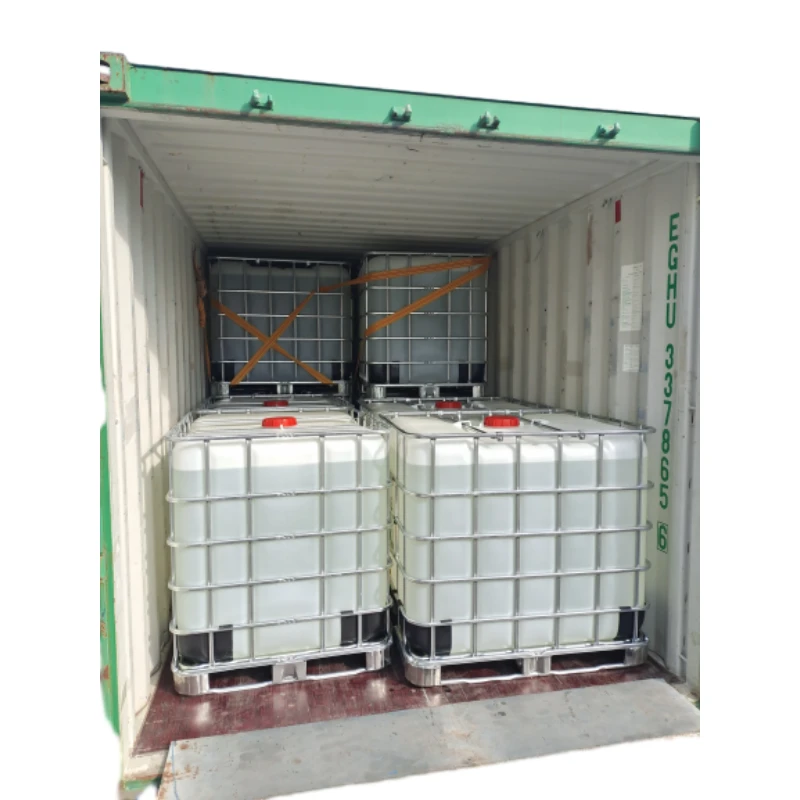
Chemical preservatives, such as sodium benzoate and potassium sorbate, inhibit the growth of bacteria, yeast, and molds that can lead to food spoilage. Antioxidants like BHT (butylated hydroxytoluene) and BHA (butylated hydroxyanisole) are commonly used to prevent the oxidative rancidity of fats and oils, ensuring that foods retain their flavor and freshness.
On the other hand, natural preservatives like salt, sugar, vinegar, and citrus extracts have been used for centuries. These substances not only enhance flavor but also provide a natural means of preservation. For instance, the high sugar concentration in jams and jellies creates an environment unfavorable for microbial growth.
Regulation and Safety
The use of food additives and preservatives is strictly regulated by food safety authorities worldwide, such as the Food and Drug Administration (FDA) in the United States and the European Food Safety Authority (EFSA) in Europe. These organizations evaluate the safety and efficacy of various additives before they can be approved for use. The overall goal is to ensure that all additives are safe for human consumption and effectively serve their intended purpose.
Despite their benefits, some consumers express concerns regarding the safety of certain synthetic additives and preservatives. This has led to an increasing demand for “clean label” products that contain minimal processing and recognizable ingredients. As a response, manufacturers are exploring natural alternatives, thus ensuring that their products meet consumer demands for both safety and transparency.
Conclusion
Additives and preservatives play an undeniably important role in food processing, enabling manufacturers to provide safe, appealing, and longer-lasting products. While they enhance taste, texture, and shelf life, it is crucial for consumers to remain informed about the substances in their food. Understanding the distinctions between different types of additives, the regulations governing their use, and the ongoing trends towards natural alternatives can empower consumers to make informed choices about the foods they consume. Ultimately, the balance between innovation in food preservation and consumer health is vital in shaping the future of food processing.
-
Aspartame Buyer FAQ: Sweetness, Specifications and ApplicationsNewsNov.02,2026
-
Aluminum Hydroxide FAQ: Specifications, Ordering and Support QuestionsNewsOct.28,2026
-
Improve Crop Yield with Premium Calcium Boron FertilizerNewsJul.01,2026
-
Ultimate Guide to Cal Mag Fertilizer for Boosting Plant HealthNewsJun.29,2026
-
Maximize Crop Recovery Using High Performance Bounce Back FertilizerNewsJun.27,2026
-
Maximize Crop Yields and Soil Health with Biozyme FertilizerNewsJun.26,2026
-
Sustainable Agriculture Guide using bio organic fertilizerNewsJun.25,2026
Hebei Tenger Chemical Technology Co., Ltd. focuses on the chemical industry and is committed to the export service of chemical raw materials.
-

view more Tplyltriazole(TTA)Tplyltriazole is a powerful and versatile corrosion inhibitor,it is a white particle or powder that is easily hygroscopic and can be processed into large, small, columnar, fine, or powdered shapes.It is a highly effective solution for preventing rust and corrosion on a variety of metal surfaces, making it an ideal choice for a wide range of applications. -

view more Formic AcidFormic acid, is a colorless, pungent-smelling liquid.With its unique properties and diverse applications that serves a wide range of industrial and commercial applications. -

view more Aluminum HydroxideAluminum Hydroxide, a versatile and essential product for a wide range of applications.This product is a white, amorphous powder that is insoluble in water and has a variety of uses in industries such as pharmaceuticals, cosmetics, and manufacturing.