





additives and preservatives in food
Additives and Preservatives in Food Understanding Their Role and Impact
In the modern world, the convenience of processed and packaged foods has become a staple in our daily diets. With this convenience comes a complex array of substances known as additives and preservatives. These ingredients play a significant role in enhancing the shelf life, flavor, texture, and nutritional value of food products. However, their extensive use raises questions about safety, health impacts, and consumer awareness.
What Are Additives and Preservatives?
Food additives are substances added to food to achieve specific effects. They can be categorized into different groups based on their function. For example, flavor enhancers like monosodium glutamate (MSG) are used to enhance the taste of food, while emulsifiers like lecithin help in stabilizing mixtures that would otherwise separate, such as oil and water.
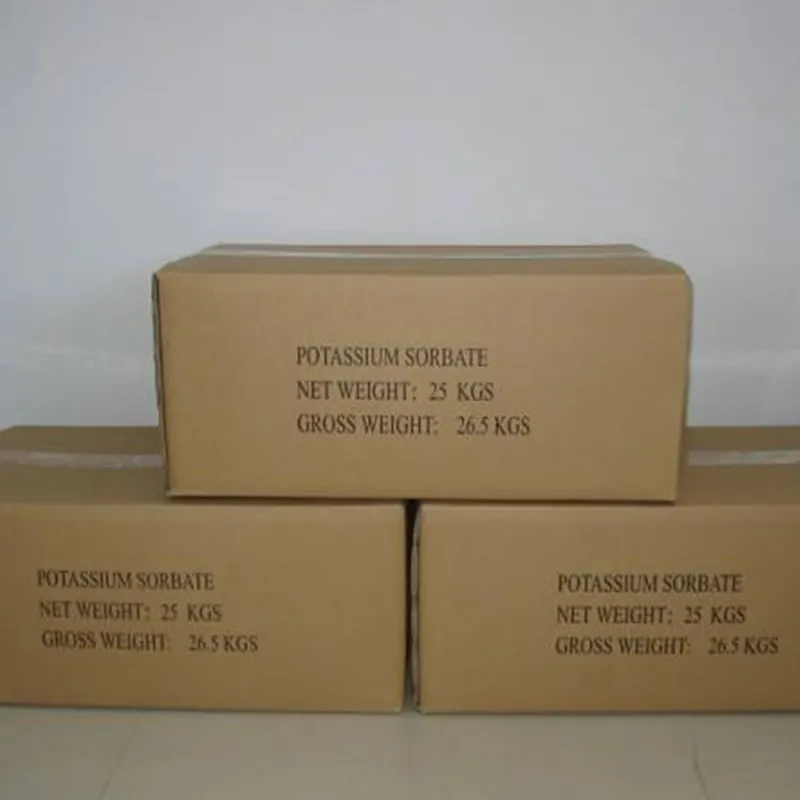
Preservatives, on the other hand, are a subtype of additives specifically focused on extending the shelf life of food by preventing spoilage due to microorganisms or oxidation. Common examples include sodium benzoate and potassium sorbate, which inhibit the growth of bacteria, mold, and yeast.
The Benefits of Additives and Preservatives
The inclusion of additives and preservatives in food offers several advantages. First, they significantly prolong the shelf life of products, ensuring that food remains safe and palatable for longer periods. This is particularly beneficial in today's fast-paced world, where convenience is often prioritized.
Second, food additives can enhance flavor, appearance, and texture, making food more appealing to consumers. For instance, color additives can make products visually attractive, while texturizers can give foods a desirable mouthfeel. Moreover, some additives can fortify foods with essential vitamins and minerals, addressing nutritional deficiencies in populations.
additives and preservatives in food
Health Concerns and Controversies
Despite the benefits, many consumers express concern over the safety of food additives and preservatives. Some studies suggest that certain additives may cause adverse reactions in sensitive individuals, such as allergies or intolerances. For example, Yellow No. 5, a common food coloring, has been linked to hyperactivity in children. Additionally, there are ongoing debates regarding artificial additives and their long-term effects on health, including potential links to chronic diseases.
Regulatory bodies, such as the U.S. Food and Drug Administration (FDA) and the European Food Safety Authority (EFSA), assess the safety of additives before they can be approved for use in food products. However, the regulatory processes can vary, and there are calls for stricter controls and more transparency regarding the use of these substances.
Consumer Awareness and Trends
As consumers become more health-conscious and educated about what they eat, there has been a notable shift towards clean eating, which emphasizes whole, minimally processed foods free from artificial additives. This trend has given rise to a new market for organic and natural food products, which often promote themselves as being free from synthetic additives and preservatives.
Food manufacturers are responding to this shift by reformulating products to eliminate or reduce the use of controversial additives. This can include using natural preservatives such as vinegar or salt instead of synthetic ones, or opting for natural colorings derived from plant sources instead of artificial dyes.
Conclusion
Additives and preservatives are integral to modern food production, contributing to food safety, longevity, and palatability. While they offer significant benefits, the health implications cannot be overlooked. As consumers, it is vital to stay informed, read labels, and understand the ingredients in our food. The growing demand for transparency and natural alternatives will likely continue to shape the future landscape of food production. As we navigate this evolving food environment, balance and informed choices remain key to ensuring our well-being while enjoying the conveniences that modern food technology offers.
-
How to Choose Dimethyl Disulfide DMDS for Industrial UseNewsNov.09,2026
-
Aspartame Buyer FAQ: Sweetness, Specifications and ApplicationsNewsNov.02,2026
-
Aluminum Hydroxide FAQ: Specifications, Ordering and Support QuestionsNewsOct.28,2026
-
Improve Crop Yield with Premium Calcium Boron FertilizerNewsJul.01,2026
-
Ultimate Guide to Cal Mag Fertilizer for Boosting Plant HealthNewsJun.29,2026
-
Maximize Crop Recovery Using High Performance Bounce Back FertilizerNewsJun.27,2026
-
Maximize Crop Yields and Soil Health with Biozyme FertilizerNewsJun.26,2026
Hebei Tenger Chemical Technology Co., Ltd. focuses on the chemical industry and is committed to the export service of chemical raw materials.
-

view more Tplyltriazole(TTA)Tplyltriazole is a powerful and versatile corrosion inhibitor,it is a white particle or powder that is easily hygroscopic and can be processed into large, small, columnar, fine, or powdered shapes.It is a highly effective solution for preventing rust and corrosion on a variety of metal surfaces, making it an ideal choice for a wide range of applications. -

view more Formic AcidFormic acid, is a colorless, pungent-smelling liquid.With its unique properties and diverse applications that serves a wide range of industrial and commercial applications. -

view more Aluminum HydroxideAluminum Hydroxide, a versatile and essential product for a wide range of applications.This product is a white, amorphous powder that is insoluble in water and has a variety of uses in industries such as pharmaceuticals, cosmetics, and manufacturing.