





additives and preservatives used in food processing
Additives and Preservatives Used in Food Processing
In the realm of food processing, additives and preservatives play a critical role in enhancing the quality, safety, and longevity of food products. As consumers become increasingly health-conscious, the usage of these substances is often scrutinized. Understanding the types and purposes of food additives and preservatives is essential for making informed choices about what we eat.
Food additives are substances added to food to improve its flavor, texture, appearance, or shelf life. They can be classified into several categories. Flavor enhancers, for example, are intended to improve the taste or aroma of food. Common examples include monosodium glutamate (MSG) and yeast extract. These additives have gained popularity in processed foods, as they can elevate flavor profiles without the need for additional salt or fat.
Coloring agents are another critical category of food additives. They serve to enhance or restore color to food products, making them more appealing. Natural colorants, such as beet juice or turmeric, are often used as alternatives to artificial dyes like Red 40 or Yellow 5, which have been linked to health concerns in some studies. The choice of a colorant can not only influence consumer perception but also reflect a brand’s commitment to health and transparency.
additives and preservatives used in food processing
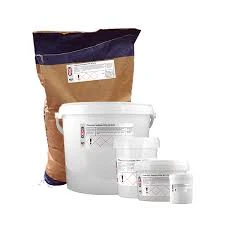
Preservatives, on the other hand, are specific additives used to prevent spoilage and extend the shelf life of food products. They inhibit the growth of bacteria, molds, and yeast, which can cause foodborne illnesses. Common preservatives include sodium benzoate, potassium sorbate, and sulfur dioxide. By controlling microbial growth, preservatives help maintain food quality and safety, allowing it to be stored for longer periods without losing its nutritional value.
Despite their benefits, the use of additives and preservatives has sparked significant debate. Some consumers are concerned about the potential health risks associated with consuming artificially derived substances. Studies have suggested a link between certain artificial additives and hyperactivity in children or other adverse reactions. In response to these concerns, many food manufacturers are increasingly opting for natural alternatives or reformulating their products to reduce or eliminate synthetic additives.
Moreover, regulatory authorities, such as the Food and Drug Administration (FDA) in the United States and the European Food Safety Authority (EFSA) in the European Union, have established strict guidelines for the use of food additives and preservatives. These agencies evaluate the safety and efficacy of these substances before they are approved for use in food products. Transparency in labeling is also required, allowing consumers to make informed choices about the food they consume.
In conclusion, while additives and preservatives are essential in modern food processing for enhancing flavor, appearance, and safety, their usage must be balanced with consumer health concerns. The trend toward more natural ingredients is likely to continue as people become more aware of what they are eating. As consumers, being informed about food additives and preservatives empowers us to make healthier choices and advocate for transparency in the food industry. With ongoing research and regulation, the food processing landscape continues to evolve, aiming to provide safer and more nutritious options for everyone.
-
How to Choose Dimethyl Disulfide DMDS for Industrial UseNewsNov.09,2026
-
Aspartame Buyer FAQ: Sweetness, Specifications and ApplicationsNewsNov.02,2026
-
Aluminum Hydroxide FAQ: Specifications, Ordering and Support QuestionsNewsOct.28,2026
-
Improve Crop Yield with Premium Calcium Boron FertilizerNewsJul.01,2026
-
Ultimate Guide to Cal Mag Fertilizer for Boosting Plant HealthNewsJun.29,2026
-
Maximize Crop Recovery Using High Performance Bounce Back FertilizerNewsJun.27,2026
-
Maximize Crop Yields and Soil Health with Biozyme FertilizerNewsJun.26,2026
Hebei Tenger Chemical Technology Co., Ltd. focuses on the chemical industry and is committed to the export service of chemical raw materials.
-

view more Tplyltriazole(TTA)Tplyltriazole is a powerful and versatile corrosion inhibitor,it is a white particle or powder that is easily hygroscopic and can be processed into large, small, columnar, fine, or powdered shapes.It is a highly effective solution for preventing rust and corrosion on a variety of metal surfaces, making it an ideal choice for a wide range of applications. -

view more Formic AcidFormic acid, is a colorless, pungent-smelling liquid.With its unique properties and diverse applications that serves a wide range of industrial and commercial applications. -

view more Aluminum HydroxideAluminum Hydroxide, a versatile and essential product for a wide range of applications.This product is a white, amorphous powder that is insoluble in water and has a variety of uses in industries such as pharmaceuticals, cosmetics, and manufacturing.