





The Role of Ammonium Bicarbonate in Enhancing Biscuit Texture and Flavor
The Role of Ammonium Bicarbonate in Biscuit Production
Ammonium bicarbonate, commonly known as ammonium hydrogen carbonate, is a versatile chemical compound that finds its applications in various fields, including food production. One of its notable uses is in the baking industry, particularly in the production of biscuits. This article explores the properties, functions, and benefits of ammonium bicarbonate in biscuit-making and its effectiveness as a leavening agent compared to other options.
What is Ammonium Bicarbonate?
Ammonium bicarbonate is a white crystalline powder that serves multiple purposes in food processing. Chemically, it consists of ammonium ions (NH4+) and bicarbonate ions (HCO3-). Upon exposure to heat, it decomposes into ammonia, carbon dioxide, and water. This reaction not only contributes to the leavening of baked goods but also enhances the moisture retention and texture of the final product.
The Function of Ammonium Bicarbonate in Biscuits
In biscuit production, the primary role of ammonium bicarbonate is to act as a leavening agent. Leavening agents are substances that produce gas and cause dough to rise, resulting in a light and airy texture. When ammonium bicarbonate is heated during baking, it releases carbon dioxide gas. This gas creates bubbles in the dough, leading to the desired lift and fluffiness of the biscuits.
One of the key advantages of using ammonium bicarbonate is its ability to produce a crisp texture in baked goods. This property is particularly beneficial for certain types of biscuits, such as those that are intended to be dry and crunchy. Furthermore, ammonium bicarbonate contributes to the overall flavor profile of biscuits, as the ammonia produced during the decomposition can react with other ingredients, enhancing the final taste.
Benefits Over Other Leavening Agents
ammonium bicarbonate in biscuits
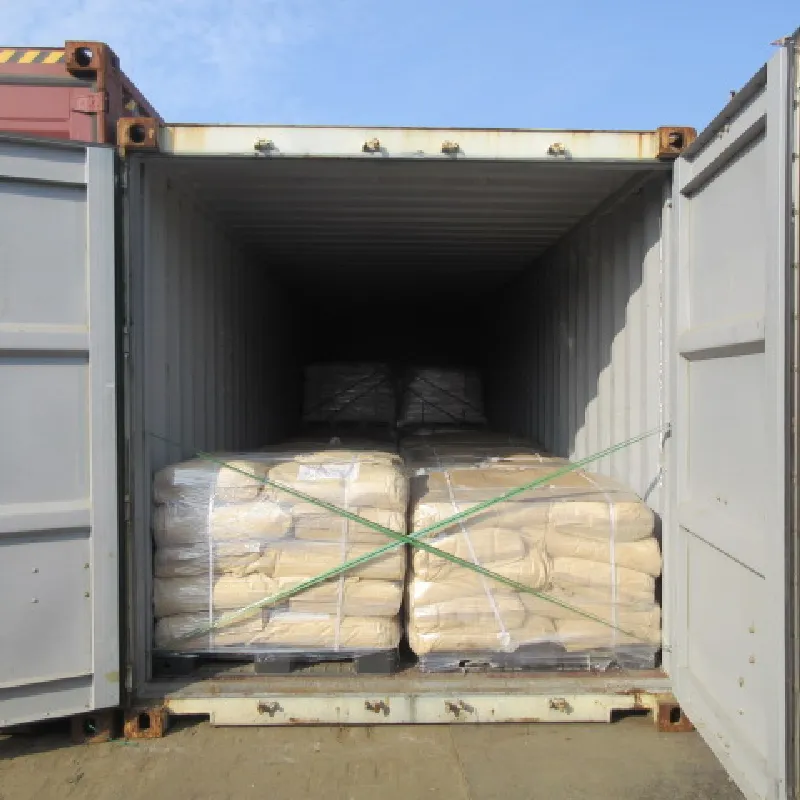
Ammonium bicarbonate offers several benefits when compared to traditional leavening agents such as baking powder and baking soda. For starters, it has a relatively low pH, which minimizes the risk of affecting the color and flavor of the biscuits. This is especially important for delicate cookies where a neutral or positive flavor is desirable.
Moreover, ammonium bicarbonate is often preferred in recipes where a quick bake is required. It acts rapidly, producing carbon dioxide almost immediately upon heating, which is ideal for thin doughs that bake quickly. This property allows bakers to achieve a desired level of rise and texture without lengthy baking times.
Other leavening agents, such as baking powder, generally contain acids that may produce a more pronounced flavor or leave a residual taste if not balanced correctly in the recipe. In contrast, ammonium bicarbonate tends to have a less intrusive flavor, making it an excellent choice for flavor-sensitive baked goods.
Safety and Regulatory Aspects
In terms of food safety, ammonium bicarbonate is recognized as safe for consumption and is approved by various food safety authorities worldwide. It is considered a natural leavening agent and does not pose health risks when used within recommended limits in baking. However, it is crucial for bakers to be aware of the quantities used, as excessive amounts may impart an undesirable flavor or texture.
Conclusion
Ammonium bicarbonate plays a critical role in biscuit production, serving as an effective leavening agent that enhances the texture, flavor, and overall quality of the final product. Its unique properties make it an attractive option for bakers seeking to create light, crispy, and flavorful biscuits. As the baking industry continues to evolve, the use of ammonium bicarbonate highlights the importance of understanding ingredient functionality and optimizing recipes for both performance and taste. Ultimately, incorporating this compound into biscuit-making processes demonstrates how chemistry can enhance culinary creations, transforming simple ingredients into delightful treats.
-
How to Choose Dimethyl Disulfide DMDS for Industrial UseNewsNov.09,2026
-
Aspartame Buyer FAQ: Sweetness, Specifications and ApplicationsNewsNov.02,2026
-
Aluminum Hydroxide FAQ: Specifications, Ordering and Support QuestionsNewsOct.28,2026
-
Improve Crop Yield with Premium Calcium Boron FertilizerNewsJul.01,2026
-
Ultimate Guide to Cal Mag Fertilizer for Boosting Plant HealthNewsJun.29,2026
-
Maximize Crop Recovery Using High Performance Bounce Back FertilizerNewsJun.27,2026
-
Maximize Crop Yields and Soil Health with Biozyme FertilizerNewsJun.26,2026
Hebei Tenger Chemical Technology Co., Ltd. focuses on the chemical industry and is committed to the export service of chemical raw materials.
-

view more Tplyltriazole(TTA)Tplyltriazole is a powerful and versatile corrosion inhibitor,it is a white particle or powder that is easily hygroscopic and can be processed into large, small, columnar, fine, or powdered shapes.It is a highly effective solution for preventing rust and corrosion on a variety of metal surfaces, making it an ideal choice for a wide range of applications. -

view more Formic AcidFormic acid, is a colorless, pungent-smelling liquid.With its unique properties and diverse applications that serves a wide range of industrial and commercial applications. -

view more Aluminum HydroxideAluminum Hydroxide, a versatile and essential product for a wide range of applications.This product is a white, amorphous powder that is insoluble in water and has a variety of uses in industries such as pharmaceuticals, cosmetics, and manufacturing.