





Analysis of the Effects of Sweeteners 950, 951, and 952 on Health and Safety
The Role of Sweeteners E950, E951, and E952 in Food Products
In the world of food science, the use of sweeteners has become increasingly prevalent as consumers seek healthier alternatives to sugar. Among the most widely utilized artificial sweeteners are E950 (Acesulfame K), E951 (Aspartame), and E952 (Cyclamic Acid and its salts). These substances not only provide sweetness but also offer a range of benefits in various food products, making them essential ingredients in today’s food industry.
Acesulfame K (E950)
Acesulfame K, also known as Acesulfame Potassium, is a calorie-free sweetener that is approximately 200 times sweeter than sugar. This chemical compound is often used in combination with other sweeteners to enhance flavor and mask the aftertaste that some sugar substitutes may have. Acesulfame K is heat-stable, making it suitable for baking and cooking, which is a significant advantage over many other sweeteners.
Consumers appreciate Acesulfame K because it does not contribute to tooth decay, a common concern with regular sugar consumption. It is widely used in a variety of food products, including soft drinks, desserts, and baked goods. Regulatory agencies such as the FDA and the European Food Safety Authority have deemed Acesulfame K safe for consumption, contributing to its popularity among manufacturers aiming to create low-calorie products.
Aspartame (E951)
Aspartame is another artificial sweetener that has garnered considerable attention since its introduction. It is about 200 times sweeter than sugar and is composed of two amino acids aspartic acid and phenylalanine. Aspartame is commonly found in diet sodas, sugar-free gum, and various other low-calorie foods.
sweeteners 950 951 and 952
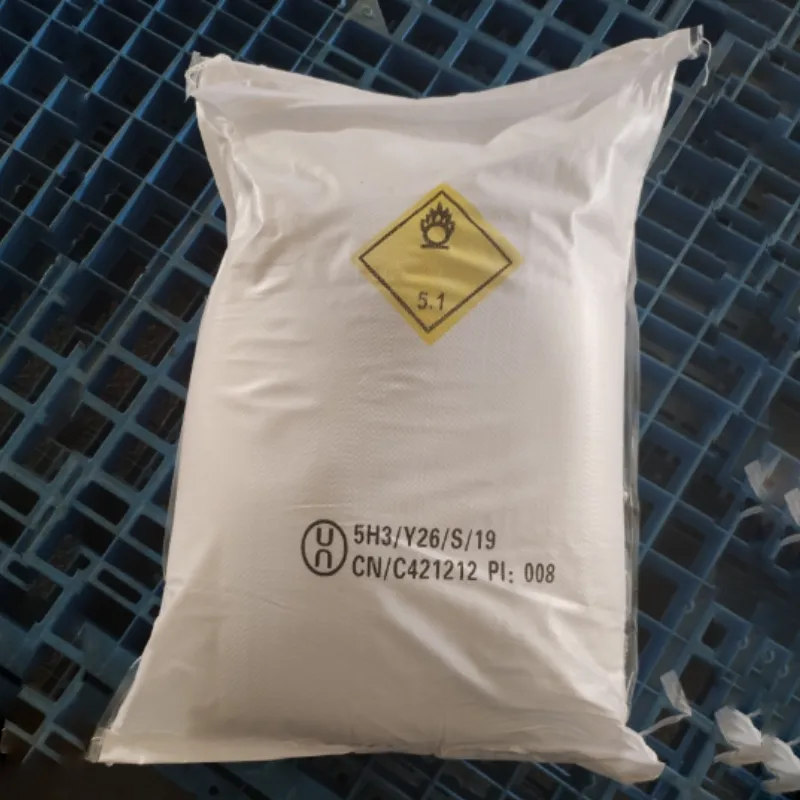
Despite its wide usage, there have been controversies surrounding Aspartame. Some studies have pointed to potential health concerns, particularly for individuals with phenylketonuria (PKU), a rare genetic disorder. However, extensive research has shown that aspartame is safe for the general population when consumed within acceptable daily intake limits. Organizations like the World Health Organization have reaffirmed its safety profile, yet ongoing debates continue to highlight the importance of consumer awareness and regulatory scrutiny.
Cyclamic Acid and Its Salts (E952)
Cyclamic acid, often combined with other sweeteners, is gaining traction as a low-calorie alternative. It is 30 to 50 times sweeter than sugar and is used primarily in beverages and foods for diabetic and calorie-conscious consumers. Cyclamic acid is unique in that it is not metabolized by the body, which means it passes through without contributing calories.
Similar to Acesulfame K and Aspartame, Cyclamic acid faced regulatory challenges in the past due to concerns over its safety. In the 1970s, it was banned in the United States due to studies suggesting a potential link to cancer in lab animals. However, further investigations have led to a re-evaluation of its safety, and it is now allowed in many countries under specific conditions.
Conclusion
The prominence of E950, E951, and E952 in the food industry illustrates the growing demand for sweetening solutions that cater to health-conscious consumers. These sweeteners present unique characteristics that make them suitable for a wide range of applications, from soft drinks to baked goods. Despite past controversies and ongoing debates regarding their safety, regulatory bodies have largely endorsed their use when consumed responsibly.
As consumers continue to seek alternatives to sugar, the role of these sweeteners will likely expand, allowing for innovation in product development. Ultimately, understanding the science behind these ingredients empowers consumers to make informed choices about their diets while enjoying a wide array of sweet-tasting foods. As we look to the future of food science, the innovative use of artificial sweeteners will undoubtedly play a pivotal role in shaping healthier eating habits globally.
-
How to Choose Dimethyl Disulfide DMDS for Industrial UseNewsNov.09,2026
-
Aspartame Buyer FAQ: Sweetness, Specifications and ApplicationsNewsNov.02,2026
-
Aluminum Hydroxide FAQ: Specifications, Ordering and Support QuestionsNewsOct.28,2026
-
Improve Crop Yield with Premium Calcium Boron FertilizerNewsJul.01,2026
-
Ultimate Guide to Cal Mag Fertilizer for Boosting Plant HealthNewsJun.29,2026
-
Maximize Crop Recovery Using High Performance Bounce Back FertilizerNewsJun.27,2026
-
Maximize Crop Yields and Soil Health with Biozyme FertilizerNewsJun.26,2026
Hebei Tenger Chemical Technology Co., Ltd. focuses on the chemical industry and is committed to the export service of chemical raw materials.
-

view more Tplyltriazole(TTA)Tplyltriazole is a powerful and versatile corrosion inhibitor,it is a white particle or powder that is easily hygroscopic and can be processed into large, small, columnar, fine, or powdered shapes.It is a highly effective solution for preventing rust and corrosion on a variety of metal surfaces, making it an ideal choice for a wide range of applications. -

view more Formic AcidFormic acid, is a colorless, pungent-smelling liquid.With its unique properties and diverse applications that serves a wide range of industrial and commercial applications. -

view more Aluminum HydroxideAluminum Hydroxide, a versatile and essential product for a wide range of applications.This product is a white, amorphous powder that is insoluble in water and has a variety of uses in industries such as pharmaceuticals, cosmetics, and manufacturing.