





anti caking agent in food
The Role of Anti-Caking Agents in Food
Anti-caking agents play a crucial role in the food industry, serving as additives designed to prevent the clumping of powdered and granulated materials. These agents are especially important in products like powdered sugar, salt, spices, and food powders, where moisture and humidity could lead to undesirable clumping. Understanding how these agents work, their types, and their safety can provide valuable insight into their significance in food processing.
What are Anti-Caking Agents?
Anti-caking agents are substances that are added to powdered or granulated products to ensure that they remain free-flowing and do not form clumps or aggregates. These agents work by absorbing moisture, creating a barrier to prevent particles from sticking together, or by altering the surface tension of the powders. Their use is vital not only for aesthetic reasons but also for improving the functionality of various food products.
Types of Anti-Caking Agents
There are a variety of anti-caking agents used in the food industry. Some of the most common include
1. Silicon Dioxide Commonly found in powdered foods, silicon dioxide is a naturally occurring mineral that effectively absorbs moisture and prevents clumping. It is widely used in spices and powdered seasoning blends.
2. Calcium Silicate Similar to silicon dioxide, calcium silicate is a mineral that can absorb moisture and is often used in salt and other granular products.
3. Magnesium Carbonate This agent is used in powdered foods to prevent caking by absorbing excess moisture. It is often found in dry mixes and baking ingredients.
anti caking agent in food
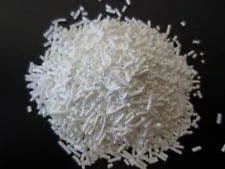
5. Talc In some cases, talc is used to reduce clumping in powdered foods. However, its usage has been scrutinized due to health concerns, leading to stricter regulations regarding its application in food products.
The Importance of Anti-Caking Agents
The use of anti-caking agents is essential for maintaining the quality and usability of powdered and granulated food products. Without these additives, products may become unusable due to clumping, requiring additional processing or rework that increases costs and waste. Moreover, in food preparation, consistent texture and flow help ensure that measurements are accurate, leading to more reliable and repeatable outcomes in cooking and baking.
In the retail environment, anti-caking agents enhance the visual appeal of products, ensuring they look fresh and inviting upon display. This visual quality can influence consumer choices, making it imperative for manufacturers to use effective anti-caking agents to compete in the market.
Safety Considerations
While many anti-caking agents are Generally Recognized as Safe (GRAS) by regulatory authorities like the FDA, there are ongoing discussions about the safety of certain substances. Manufacturers must comply with stringent regulations to ensure that the levels of these agents do not exceed safe thresholds. Continuous research into the long-term effects of consuming these additives is essential to inform consumers and producers alike.
Some consumers are increasingly interested in natural alternatives to traditional anti-caking agents. Options like rice flour or corn starch are popular in natural and organic products. The pursuit of cleaner labels has prompted many manufacturers to seek alternatives that could cater to this demand while still ensuring product quality.
Conclusion
In summary, anti-caking agents are crucial players in the food industry, ensuring that powdered and granulated foods maintain their quality and functionality. From enhancing the flowability of ingredients to supporting product shelf life, they serve multiple roles. However, as consumer preferences evolve, food manufacturers must balance functionality with safety and transparency, making informed choices to meet the demands of today's market. Understanding the significance of these agents helps demystify the processing of common food products and underscores the importance of ingredient integrity in our diets.
-
The Essential Guide to Sorbates as Food Preservatives for SafetyNewsApr.16,2026
-
The Ultimate Guide to Sorbate Preservative in Modern IndustryNewsApr.09,2026
-
Comprehensive Guide to Sodium Stearoyl Lactylate Emulsifier Applications and BenefitsNewsApr.07,2026
-
Comprehensive Guide to Sodium Cyclamate Sweetener Properties and ApplicationsNewsApr.04,2026
-
Comprehensive Guide to Sodium Citrate Food Additive and Its ApplicationsNewsMar.31,2026
-
Comprehensive Guide to Sodium Bicarbonate Food Additive Applications and BenefitsNewsMar.28,2026
-
Understanding Sodium Benzoate Preservative in Cosmetics and Its ApplicationsNewsMar.26,2026
Hebei Tenger Chemical Technology Co., Ltd. focuses on the chemical industry and is committed to the export service of chemical raw materials.
-
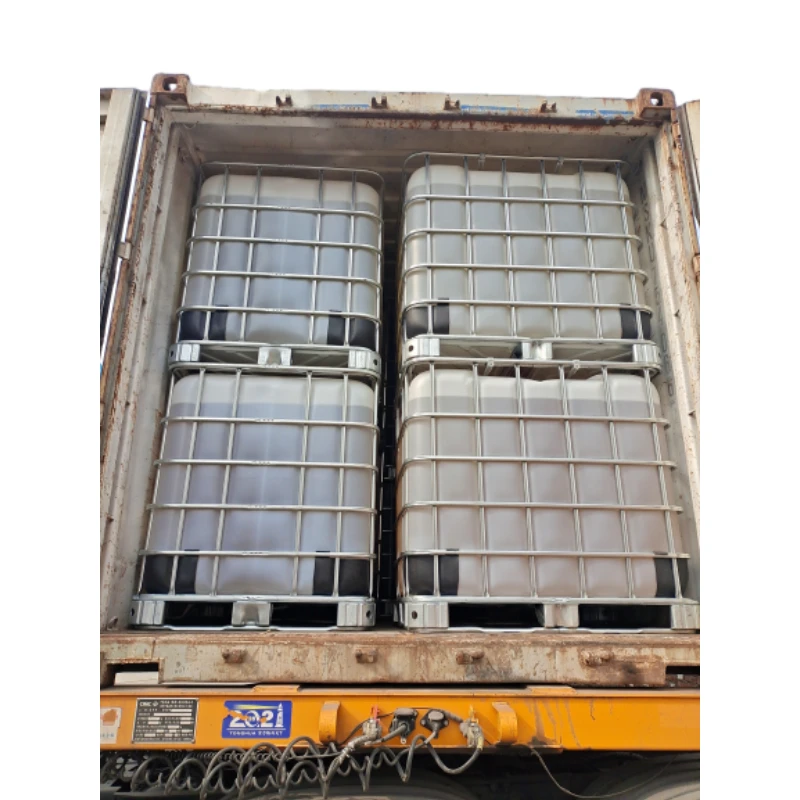
view more DiethanolisopropanolamineIn the ever-growing field of chemical solutions, diethanolisopropanolamine (DEIPA) stands out as a versatile and important compound. Due to its unique chemical structure and properties, DEIPA is of interest to various industries including construction, personal care, and agriculture. -
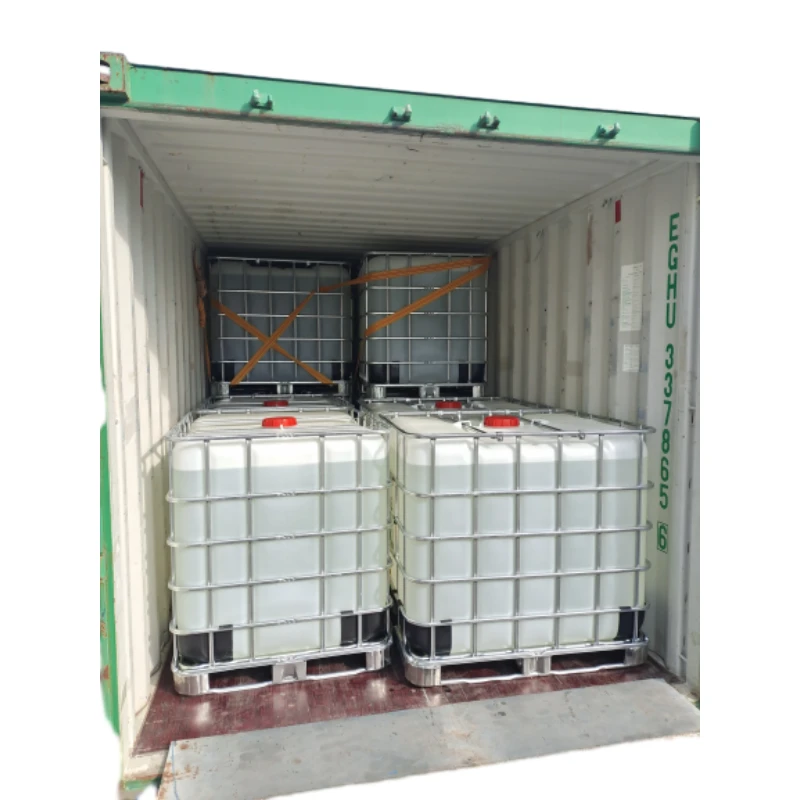
view more TriisopropanolamineTriisopropanolamine (TIPA) alkanol amine substance, is a kind of alcohol amine compound with amino and alcohol hydroxyl, and because of its molecules contains both amino and hydroxyl. -
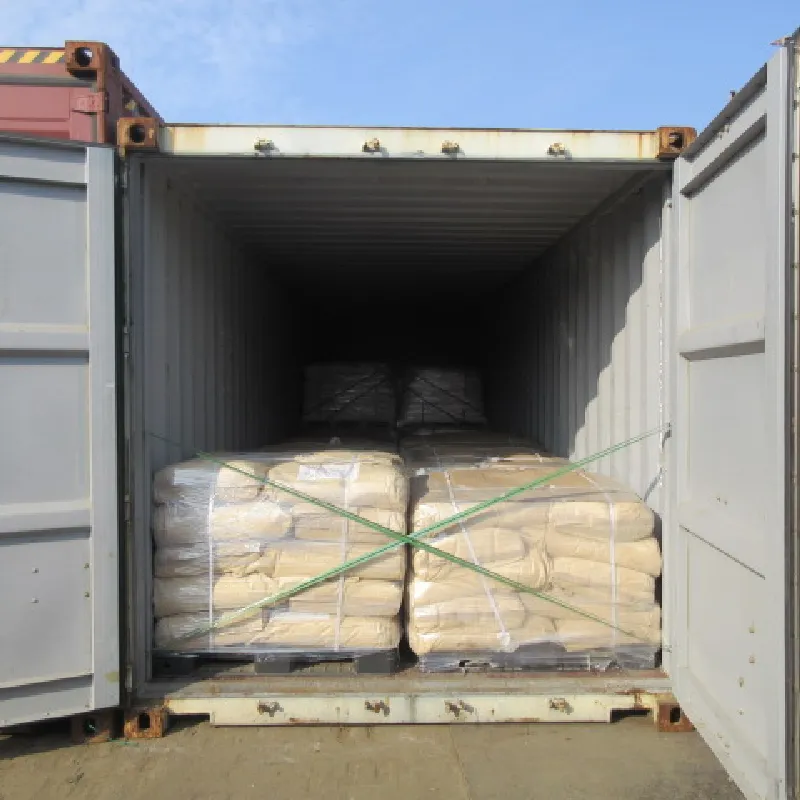
view more Tetramethyl Thiuram DisulfideTetramethyl thiuram disulfide, also known as TMTD, is a white to light-yellow powder with a distinct sulfur-like odor. It is soluble in organic solvents such as benzene, acetone, and ethyl acetate, making it highly versatile for use in different formulations. TMTD is known for its excellent vulcanization acceleration properties, which makes it a key ingredient in the production of rubber products. Additionally, it acts as an effective fungicide and bactericide, making it valuable in agricultural applications. Its high purity and stability ensure consistent performance, making it a preferred choice for manufacturers across various industries.