





The Role of Anti-Caking Agents in Food Additives and Their Impact on Texture
The Role of Anti-Caking Agents in Food Additives
In the realm of food science, maintaining texture and quality is crucial for both manufacturers and consumers alike. One key player in this field is anti-caking agents. These additives, often overlooked by the average consumer, play an essential role in ensuring that food products remain free-flowing, high-quality, and appealing. This article explores the nature, significance, and implications of anti-caking agents in food.
What Are Anti-Caking Agents?
Anti-caking agents are substances added to powdered or granulated food products to prevent the formation of lumps or aggregates. They work by either absorbing moisture or creating a barrier that keeps particles from sticking together. Common substances used as anti-caking agents include silicon dioxide, calcium silicate, magnesium carbonate, and various starches. These agents are particularly vital in products that tend to clump together, such as salt, powdered sugar, and grated cheese.
The Importance of Anti-Caking Agents in Food
1. Enhanced Quality and Shelf Life Anti-caking agents significantly extend the shelf life of food products by preventing moisture absorption, which can lead to spoilage and degradation. For example, powdered seasonings, such as garlic powder and chili powder, maintain their quality for longer when anti-caking agents are incorporated.
2. Improved Usability The presence of lumps in powdered food products can lead to consumer dissatisfaction and improper dosing in food preparation. Anti-caking agents ensure that these products flow freely, making them easier to measure and use. This is particularly important in commercial kitchens and food production settings where accuracy is essential.
3. Maintaining Appearance Aesthetic factors also play a role in the consumer's choice of products. Anti-caking agents help maintain the visual appeal of food items, ensuring they do not appear clumpy or unappetizing. For instance, grated cheese with lumps can deter customers from purchasing, while evenly flowing cheese is visually appealing.
anti caking agents food additives
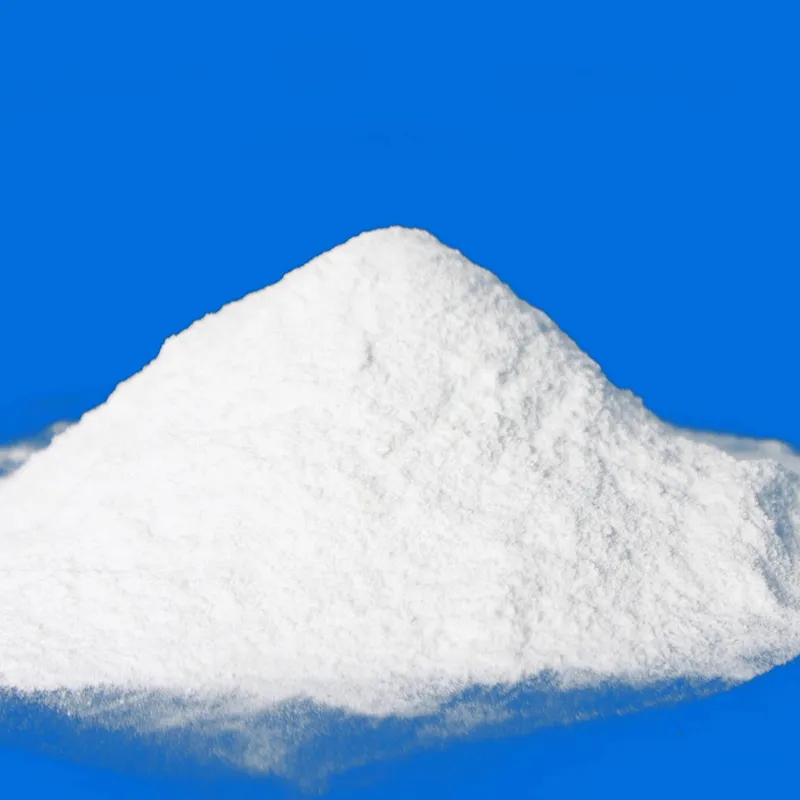
4. Versatility Anti-caking agents are versatile and can be used in a variety of applications. From baking mixes to instant soups, these agents are vital across different food categories, ensuring that various products maintain their intended texture and usability.
Considerations and Regulations
While anti-caking agents serve significant functions, concerns about their health implications prompt discussions among consumers and health experts. Most anti-caking agents used in food are recognized as safe when consumed within regulatory limits. Agencies like the U.S. Food and Drug Administration (FDA) and the European Food Safety Authority (EFSA) regulate the use of food additives, ensuring consumers' safety. However, certain individuals may have sensitivities to specific agents, necessitating the need for clear labeling.
Natural vs. Synthetic Anti-Caking Agents
In recent years, there has been a trend towards using natural anti-caking agents in response to the growing demand for clean-label products. Natural options include ingredients like rice flour, cornstarch, and vegetable-derived fibers. These alternatives appeal to health-conscious consumers who prefer products that contain fewer synthetic additives.
While synthetic anti-caking agents offer efficiency and cost-effectiveness, the shift towards natural alternatives highlights the industry’s responsiveness to consumer preferences. Manufacturers are increasingly sourcing ingredients that align with the clean-label movement, even in traditional products.
Conclusion
In conclusion, anti-caking agents are vital food additives that ensure the quality, usability, and appearance of various food products. By preventing clumping and maintaining texture, these agents enhance consumer satisfaction and extend shelf life. Despite the ongoing debate regarding the health implications of synthetic additives, the regulated use of these substances is crucial for maintaining food quality in today's market. As consumer awareness rises, the food industry continues to adapt, exploring natural alternatives to cater to evolving preferences. Understanding the role of anti-caking agents helps consumers make informed choices about the food products they consume and appreciate the science behind the foods they enjoy.
-
How to Choose Dimethyl Disulfide DMDS for Industrial UseNewsNov.09,2026
-
Aspartame Buyer FAQ: Sweetness, Specifications and ApplicationsNewsNov.02,2026
-
Aluminum Hydroxide FAQ: Specifications, Ordering and Support QuestionsNewsOct.28,2026
-
Improve Crop Yield with Premium Calcium Boron FertilizerNewsJul.01,2026
-
Ultimate Guide to Cal Mag Fertilizer for Boosting Plant HealthNewsJun.29,2026
-
Maximize Crop Recovery Using High Performance Bounce Back FertilizerNewsJun.27,2026
-
Maximize Crop Yields and Soil Health with Biozyme FertilizerNewsJun.26,2026
Hebei Tenger Chemical Technology Co., Ltd. focuses on the chemical industry and is committed to the export service of chemical raw materials.
-

view more Tplyltriazole(TTA)Tplyltriazole is a powerful and versatile corrosion inhibitor,it is a white particle or powder that is easily hygroscopic and can be processed into large, small, columnar, fine, or powdered shapes.It is a highly effective solution for preventing rust and corrosion on a variety of metal surfaces, making it an ideal choice for a wide range of applications. -

view more Formic AcidFormic acid, is a colorless, pungent-smelling liquid.With its unique properties and diverse applications that serves a wide range of industrial and commercial applications. -

view more Aluminum HydroxideAluminum Hydroxide, a versatile and essential product for a wide range of applications.This product is a white, amorphous powder that is insoluble in water and has a variety of uses in industries such as pharmaceuticals, cosmetics, and manufacturing.