





antioxidant in food preservation examples
Antioxidants in Food Preservation Examples and Benefits
Food preservation is a critical aspect of the food industry, aimed at extending the shelf life of products while maintaining their quality, flavor, and nutritional value. Among the various methods employed for food preservation, the use of antioxidants has gained significant traction. Antioxidants are compounds that inhibit oxidation and protect food from deteriorative reactions caused by exposure to oxygen. This article will explore the role of antioxidants in food preservation, providing examples of their applications and the benefits they offer.
Oxidation can lead to undesirable changes in food, including rancidity, color degradation, and loss of nutritional value. These alterations can render food unappealing or even unsafe for consumption. Hence, incorporating antioxidants into food products not only prolongs shelf life but also preserves the food's inherent characteristics. Antioxidants work by neutralizing free radicals, the unstable molecules that can contribute to the degradation process.
One of the most common examples of antioxidants used in food preservation is ascorbic acid, also known as Vitamin C. This naturally occurring compound is frequently added to fruit juices and canned fruits to prevent browning and maintain color. Ascorbic acid effectively inhibits the enzymatic reactions that cause discoloration, thereby helping to retain the visual appeal of these products. Additionally, it aids in preserving the vitamin C content of the food, ensuring that consumers receive the nutritional benefits.
Another well-known antioxidant is tocopherol, or Vitamin E, which is often utilized in the preservation of oils and fats. Oils are particularly susceptible to oxidation, which can result in rancidity and off-flavors. By adding tocopherols to oils, manufacturers can significantly enhance their stability and extend their shelf life. This application is especially important in the production of salad dressings, margarine, and snack foods that are high in fats.
antioxidant in food preservation examples
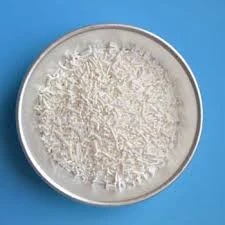
In addition to synthetic antioxidants like BHT (butylated hydroxytoluene) and BHA (butylated hydroxyanisole), natural antioxidants are also gaining popularity. Essential oils extracted from herbs and spices, such as rosemary, thyme, and oregano, are rich in antioxidants and are increasingly used in meat and poultry products. These natural compounds not only help to preserve the freshness of the meat but also impart unique flavors that enhance the overall sensory experience of the product.
Polyphenols, a group of antioxidants found in fruits, vegetables, and tea, are another example of natural preservatives. Their strong antioxidant activity can effectively inhibit the oxidation of lipids and maintain the quality of various food items, including beverages. For instance, green tea extract is sometimes added to drinks and marinades to enhance their antioxidant properties and prolong shelf life.
Moreover, the use of antioxidants in food preservation can contribute to health benefits. Many consumers are becoming more health-conscious and are seeking products that are not only safe but also nutritious. By selecting foods preserved with antioxidants, consumers can enjoy products that maintain their nutritional integrity for longer periods.
While there are numerous benefits associated with the use of antioxidants in food preservation, it is essential to recognize that their effectiveness can be influenced by various factors, such as concentration, food matrix, and storage conditions. Therefore, food manufacturers must conduct thorough evaluations to determine the optimal levels and combinations of antioxidants applicable to their products.
In conclusion, antioxidants play a vital role in food preservation, helping to extend shelf life while preserving the quality, flavor, and nutritional benefits of food items. With examples like ascorbic acid, tocopherol, and natural extracts from herbs and spices, the use of these compounds continues to evolve in the food industry. As the demand for healthier options rises, the integration of effective antioxidant strategies promises not only to enhance food safety but also to cater to the growing health-conscious consumer base. The future of food preservation will undoubtedly be shaped by the innovative application of antioxidants.
-
Aspartame Buyer FAQ: Sweetness, Specifications and ApplicationsNewsNov.02,2026
-
Aluminum Hydroxide FAQ: Specifications, Ordering and Support QuestionsNewsOct.28,2026
-
Improve Crop Yield with Premium Calcium Boron FertilizerNewsJul.01,2026
-
Ultimate Guide to Cal Mag Fertilizer for Boosting Plant HealthNewsJun.29,2026
-
Maximize Crop Recovery Using High Performance Bounce Back FertilizerNewsJun.27,2026
-
Maximize Crop Yields and Soil Health with Biozyme FertilizerNewsJun.26,2026
-
Sustainable Agriculture Guide using bio organic fertilizerNewsJun.25,2026
Hebei Tenger Chemical Technology Co., Ltd. focuses on the chemical industry and is committed to the export service of chemical raw materials.
-

view more Tplyltriazole(TTA)Tplyltriazole is a powerful and versatile corrosion inhibitor,it is a white particle or powder that is easily hygroscopic and can be processed into large, small, columnar, fine, or powdered shapes.It is a highly effective solution for preventing rust and corrosion on a variety of metal surfaces, making it an ideal choice for a wide range of applications. -

view more Formic AcidFormic acid, is a colorless, pungent-smelling liquid.With its unique properties and diverse applications that serves a wide range of industrial and commercial applications. -

view more Aluminum HydroxideAluminum Hydroxide, a versatile and essential product for a wide range of applications.This product is a white, amorphous powder that is insoluble in water and has a variety of uses in industries such as pharmaceuticals, cosmetics, and manufacturing.