





Understanding the Role of Artificial Sweeteners in Modern Food Products
The Role of Artificial Sweeteners in Food A Comprehensive Overview
In recent years, the prevalence of artificial sweeteners in food products has sparked widespread debate among health professionals, consumers, and food manufacturers alike
. As people become increasingly health-conscious, the food industry has responded by incorporating these sugar substitutes into a variety of products, from soft drinks to desserts. This article explores the relevance, safety, and implications of artificial sweeteners in our diets.Artificial sweeteners, often referred to as non-nutritive sweeteners, are synthetic sugar substitutes that provide sweetness with little to no calories. Common types include aspartame, saccharin, sucralose, and stevia. These sweeteners can be significantly sweeter than sugar, enabling manufacturers to use smaller quantities while achieving the same level of sweetness. Consequently, they have become popular among those seeking to reduce caloric intake and manage weight.
One of the primary motivations for using artificial sweeteners is the rising concern over obesity and related health issues. According to the World Health Organization, obesity rates have tripled since 1975, leading to increased risks of diseases such as diabetes, heart disease, and certain cancers. In response, many individuals have turned to artificial sweeteners as a means to enjoy their favorite foods without the added calories that come with traditional sugar. For instance, diet sodas and sugar-free snacks have gained traction in the market, targeting consumers seeking healthier alternatives.
However, the use of artificial sweeteners is not without controversy. Research regarding their long-term effects on health remains conflicting. Some studies suggest that artificial sweeteners may negatively impact metabolism, gut health, and appetite regulation, potentially leading to weight gain rather than loss. A comprehensive review in the journal Nutrients indicated that while these sweeteners can help reduce sugar intake, their overall influence on long-term weight management is still unclear. Furthermore, certain individuals may experience adverse reactions to specific sweeteners, prompting concerns about safety and allergic reactions.
artificial sweeteners in food
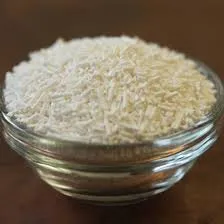
Another critical aspect of artificial sweeteners is their psychological effect on consumers. Some studies have examined the compensation hypothesis, which posits that individuals consuming low-calorie or sugar-free products might unconsciously compensate by consuming additional calories elsewhere, leading to an overall consumption of calories that negates the perceived benefits of the sweetener. For example, a consumer might choose a diet soda and subsequently indulge in a calorie-rich dessert, thus undermining their dietary goals.
Additionally, there are significant regulatory measures in place to ensure the safety of artificial sweeteners. Agencies such as the U.S. Food and Drug Administration (FDA) and the European Food Safety Authority (EFSA) have established acceptable daily intake levels for various sweeteners, based on extensive research. For example, aspartame has been deemed safe for consumption, despite ongoing debates about its health implications. However, advocates for natural sweeteners argue that using whole food alternatives, such as honey or maple syrup, could satisfy the desire for sweetness without synthetic additives.
The environmental impact of artificial sweeteners is also an emerging area of focus. As consumers become more conscious of sustainability, the production processes and ecological footprints of these sweeteners are under scrutiny. Many people are now leaning toward naturally derived sweeteners, considering their potential environmental benefits over synthetic counterparts.
In conclusion, the role of artificial sweeteners in food is multifaceted and generates significant discussion among various stakeholders. While these sweeteners offer a means to reduce sugar and caloric intake, ongoing debates about their long-term effects, psychological impacts, and overall safety continue to shape consumer perceptions. As the food industry evolves to meet changing consumer demands, understanding the implications of artificial sweeteners will be crucial for making informed dietary choices. Whether one opts for artificial sweeteners or seeks out natural alternatives, striking a balance is key in pursuing a healthy lifestyle.
-
Aspartame Buyer FAQ: Sweetness, Specifications and ApplicationsNewsNov.02,2026
-
Aluminum Hydroxide FAQ: Specifications, Ordering and Support QuestionsNewsOct.28,2026
-
Improve Crop Yield with Premium Calcium Boron FertilizerNewsJul.01,2026
-
Ultimate Guide to Cal Mag Fertilizer for Boosting Plant HealthNewsJun.29,2026
-
Maximize Crop Recovery Using High Performance Bounce Back FertilizerNewsJun.27,2026
-
Maximize Crop Yields and Soil Health with Biozyme FertilizerNewsJun.26,2026
-
Sustainable Agriculture Guide using bio organic fertilizerNewsJun.25,2026
Hebei Tenger Chemical Technology Co., Ltd. focuses on the chemical industry and is committed to the export service of chemical raw materials.
-

view more Tplyltriazole(TTA)Tplyltriazole is a powerful and versatile corrosion inhibitor,it is a white particle or powder that is easily hygroscopic and can be processed into large, small, columnar, fine, or powdered shapes.It is a highly effective solution for preventing rust and corrosion on a variety of metal surfaces, making it an ideal choice for a wide range of applications. -

view more Formic AcidFormic acid, is a colorless, pungent-smelling liquid.With its unique properties and diverse applications that serves a wide range of industrial and commercial applications. -

view more Aluminum HydroxideAluminum Hydroxide, a versatile and essential product for a wide range of applications.This product is a white, amorphous powder that is insoluble in water and has a variety of uses in industries such as pharmaceuticals, cosmetics, and manufacturing.