





Exploring the Composition and Uses of Aspartame in Food Products
Understanding Aspartame A Closer Look at Its Ingredients and Impact
Aspartame is one of the most widely used artificial sweeteners in the world, cherished for its ability to provide a sweet taste without the calories associated with sugar. Found in a plethora of sugar-free and “diet” products, including soft drinks, chewing gum, and even some medications, aspartame has sparked significant interest and discussion regarding its ingredients, safety, and effects on health.
What is Aspartame?
Chemically, aspartame is composed of two amino acids phenylalanine and aspartic acid, along with a methyl ester. These components are naturally occurring substances in a variety of protein-containing foods. When ingested, aspartame is broken down into its constituent parts—phenylalanine, aspartic acid, and methanol—after which they are metabolized by the body. To put it into perspective, aspartame is approximately 200 times sweeter than sucrose (table sugar), enabling it to be used in remarkably small quantities while still achieving the desired sweetness.
Ingredients Breakdown
1. Phenylalanine A vital amino acid critical for protein synthesis and the production of neurotransmitters, phenylalanine is an essential nutrient that must be obtained from dietary sources. However, individuals with a rare genetic disorder known as phenylketonuria (PKU) must restrict their intake of phenylalanine, including those found in aspartame, as it can accumulate in their body and lead to serious health issues.
2. Aspartic Acid Another amino acid, aspartic acid plays a key role in the biosynthesis of proteins and is also involved in the functioning of the nervous system. It is naturally present in several foods, including meat, eggs, and dairy products. The body can produce aspartic acid, making it a non-essential amino acid.
aspartame ingredients
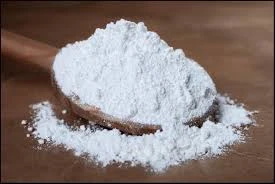
3. Methanol This simple alcohol is produced in small amounts when aspartame is metabolized. Methanol itself is present in many fruits and vegetables and is typically harmless in low quantities. The body efficiently converts small amounts into formaldehyde and then into formic acid, which are both eliminated by the body.
Safety and Controversy
The safety of aspartame has been a topic of extensive research and debate. Regulatory agencies worldwide, including the U.S. Food and Drug Administration (FDA), the European Food Safety Authority (EFSA), and the World Health Organization (WHO), have conducted thorough reviews of available data and consistently concluded that aspartame is safe for human consumption. These organizations have established acceptable daily intake (ADI) levels, which are significantly higher than the amounts typically consumed.
However, despite the scientific consensus on its safety, aspartame continues to face scrutiny from various groups. Some individuals report sensitivity to the sweetener, experiencing headaches, gastrointestinal discomfort, or allergic reactions after consuming products containing aspartame. Additionally, some studies have suggested potential links between aspartame and health issues such as cancer, though many of these studies have been criticized for methodological flaws or for not conclusively demonstrating causation.
Conclusion
Aspartame remains a popular choice for those seeking to reduce sugar intake while maintaining sweetness in their diets. While its ingredients—phenylalanine, aspartic acid, and methanol—are naturally occurring and generally recognized as safe, individual responses to aspartame can vary. Continued research and monitoring are essential to ensure consumer safety and address any emerging health concerns.
As consumers become more health-conscious, understanding the ingredients in the products they consume becomes increasingly important. For those without specific health conditions like PKU, aspartame can be safely enjoyed as part of a balanced diet, providing an effective alternative to sugar while helping to manage calorie intake. However, as with all food additives and sweeteners, moderation is key, and being informed allows individuals to make choices that align with their health goals.
-
Aspartame Buyer FAQ: Sweetness, Specifications and ApplicationsNewsNov.02,2026
-
Aluminum Hydroxide FAQ: Specifications, Ordering and Support QuestionsNewsOct.28,2026
-
Improve Crop Yield with Premium Calcium Boron FertilizerNewsJul.01,2026
-
Ultimate Guide to Cal Mag Fertilizer for Boosting Plant HealthNewsJun.29,2026
-
Maximize Crop Recovery Using High Performance Bounce Back FertilizerNewsJun.27,2026
-
Maximize Crop Yields and Soil Health with Biozyme FertilizerNewsJun.26,2026
-
Sustainable Agriculture Guide using bio organic fertilizerNewsJun.25,2026
Hebei Tenger Chemical Technology Co., Ltd. focuses on the chemical industry and is committed to the export service of chemical raw materials.
-

view more Tplyltriazole(TTA)Tplyltriazole is a powerful and versatile corrosion inhibitor,it is a white particle or powder that is easily hygroscopic and can be processed into large, small, columnar, fine, or powdered shapes.It is a highly effective solution for preventing rust and corrosion on a variety of metal surfaces, making it an ideal choice for a wide range of applications. -

view more Formic AcidFormic acid, is a colorless, pungent-smelling liquid.With its unique properties and diverse applications that serves a wide range of industrial and commercial applications. -

view more Aluminum HydroxideAluminum Hydroxide, a versatile and essential product for a wide range of applications.This product is a white, amorphous powder that is insoluble in water and has a variety of uses in industries such as pharmaceuticals, cosmetics, and manufacturing.