





bio organic fertilizer
Bio-Organic Fertilizers A Sustainable Approach to Agriculture
In recent years, there has been an increasing emphasis on sustainability and environmental protection in agricultural practices. As the global population continues to rise, the demand for food production is mounting. Conventional agricultural methods often rely on synthetic fertilizers and pesticides, which can lead to soil degradation, water pollution, and a decline in biodiversity. In contrast, bio-organic fertilizers, derived from natural sources, are emerging as a viable alternative that promotes sustainable farming while enhancing soil health.
Bio-organic fertilizers are formulated using organic materials such as animal manure, compost, plant residues, and microbial inoculants. These fertilizers not only provide essential nutrients that plants need for growth, like nitrogen, phosphorus, and potassium, but they also improve soil structure and fertility over time. Unlike synthetic fertilizers, which can lead to rapid nutrient leaching and runoff, bio-organic fertilizers release nutrients slowly, ensuring a more stable and prolonged nutrient supply to plants.
Bio-Organic Fertilizers A Sustainable Approach to Agriculture
Moreover, bio-organic fertilizers contribute to the improvement of soil structure and aeration. The organic matter present in these fertilizers binds soil particles together, promoting the formation of aggregates. This enhanced soil structure leads to better water retention, drainage, and aeration, ultimately creating a more favorable environment for root development. Plants grown in such enriched soils are typically more resilient to environmental stresses, including drought and disease.
bio organic fertilizer
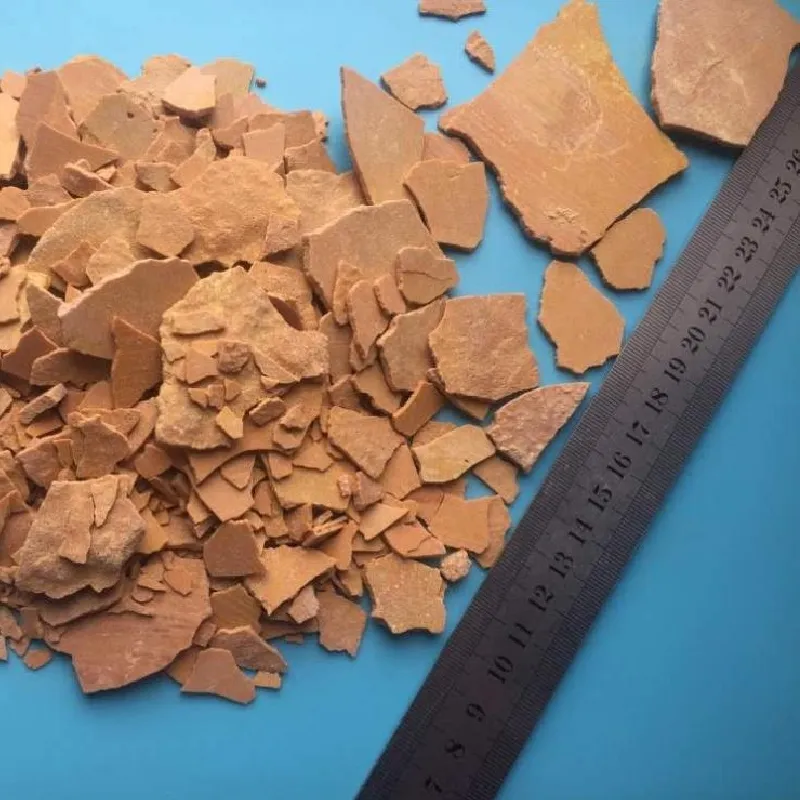
Another essential benefit of bio-organic fertilizers is their positive impact on environmental sustainability. By using organic materials that would otherwise contribute to waste, such as farm animal manure and plant residues, farmers can minimize their reliance on synthetic inputs. This transition not only reduces chemical runoff into water bodies but also mitigates greenhouse gas emissions associated with chemical manufacturing processes. Furthermore, bio-organic fertilizers support the principles of circular agriculture, where waste is transformed into valuable resources, contributing to a more sustainable agricultural system.
Adopting bio-organic fertilizers can also enhance the nutritional quality of crops. Research has shown that plants grown with organic fertilizers often contain higher levels of essential nutrients, vitamins, and antioxidants compared to those grown with chemical fertilizers. This added nutritional value is vital for consumer health and can also provide a competitive edge in the market as consumers increasingly seek out organic produce for its perceived health benefits.
However, transitioning to bio-organic fertilizers is not without its challenges. Farmers need to be educated about the benefits and proper application of these fertilizers. Additionally, bio-organic fertilizers may not provide the immediate effects seen with synthetic options, requiring farmers to adopt a long-term perspective on soil health and fertility management. The shift towards bio-organic fertilizers also necessitates changes in farming practices, including crop rotation and the integration of cover crops to maintain soil health.
In conclusion, bio-organic fertilizers present a sustainable alternative to conventional fertilizers, benefiting not only farmers but also the environment and consumers. By improving soil health, enhancing nutrient availability, and promoting environmental sustainability, these fertilizers pave the way for a more resilient agricultural system. As we face the challenges of feeding a growing population in an environmentally conscious manner, embracing bio-organic fertilizers will be essential in balancing productivity with sustainability. Future agricultural practices should prioritize the health of both the soil and the ecosystem, a goal that bio-organic fertilizers can help achieve.
-
How to Choose Dimethyl Disulfide DMDS for Industrial UseNewsNov.09,2026
-
Aspartame Buyer FAQ: Sweetness, Specifications and ApplicationsNewsNov.02,2026
-
Aluminum Hydroxide FAQ: Specifications, Ordering and Support QuestionsNewsOct.28,2026
-
Improve Crop Yield with Premium Calcium Boron FertilizerNewsJul.01,2026
-
Ultimate Guide to Cal Mag Fertilizer for Boosting Plant HealthNewsJun.29,2026
-
Maximize Crop Recovery Using High Performance Bounce Back FertilizerNewsJun.27,2026
-
Maximize Crop Yields and Soil Health with Biozyme FertilizerNewsJun.26,2026
Hebei Tenger Chemical Technology Co., Ltd. focuses on the chemical industry and is committed to the export service of chemical raw materials.
-

view more Tplyltriazole(TTA)Tplyltriazole is a powerful and versatile corrosion inhibitor,it is a white particle or powder that is easily hygroscopic and can be processed into large, small, columnar, fine, or powdered shapes.It is a highly effective solution for preventing rust and corrosion on a variety of metal surfaces, making it an ideal choice for a wide range of applications. -

view more Formic AcidFormic acid, is a colorless, pungent-smelling liquid.With its unique properties and diverse applications that serves a wide range of industrial and commercial applications. -

view more Aluminum HydroxideAluminum Hydroxide, a versatile and essential product for a wide range of applications.This product is a white, amorphous powder that is insoluble in water and has a variety of uses in industries such as pharmaceuticals, cosmetics, and manufacturing.