





Exploring the Impact of Preservatives on Bread Freshness and Quality
The Role of Preservatives in Bread Ensuring Freshness and Safety
Bread, one of the oldest prepared foods, holds a special place in many cultures around the world. From the humble loaf to artisan sourdoughs, bread offers nourishment and comfort. However, like all perishable items, bread is susceptible to spoilage caused by mold, bacteria, and staling. To combat these issues, many producers incorporate preservatives into their bread recipes. This article explores the significance of bread preservatives, their types, and the implications for health and food safety.
Understanding Bread Spoilage
Before delving into preservatives, it's essential to understand how bread spoils. Bread is primarily made from flour, water, yeast, and salt. The moisture content in bread creates an environment conducive to microbial growth. Mold, particularly species like Rhizopus and Penicillium, thrives on bread, leading to spoilage characterized by foul odors and unsightly growths. Additionally, bread staling occurs when starch molecules retrograde, causing the bread to become hard and stale. Preservatives help mitigate these issues, extending the shelf life of bread and ensuring it remains safe for consumption.
Types of Preservatives
Preservatives can be broadly categorized into natural and synthetic types.
1. Natural Preservatives These are derived from natural sources and often align with consumer preferences for clean labels. Common natural preservatives used in bread include - Vinegar Acetic acid in vinegar lowers pH, creating an inhospitable environment for mold and bacteria. - Honey Known for its natural antimicrobial properties, honey also helps retain moisture. - Salt A traditional preservative, salt inhibits microbial growth and enhances flavor.
bread preservatives
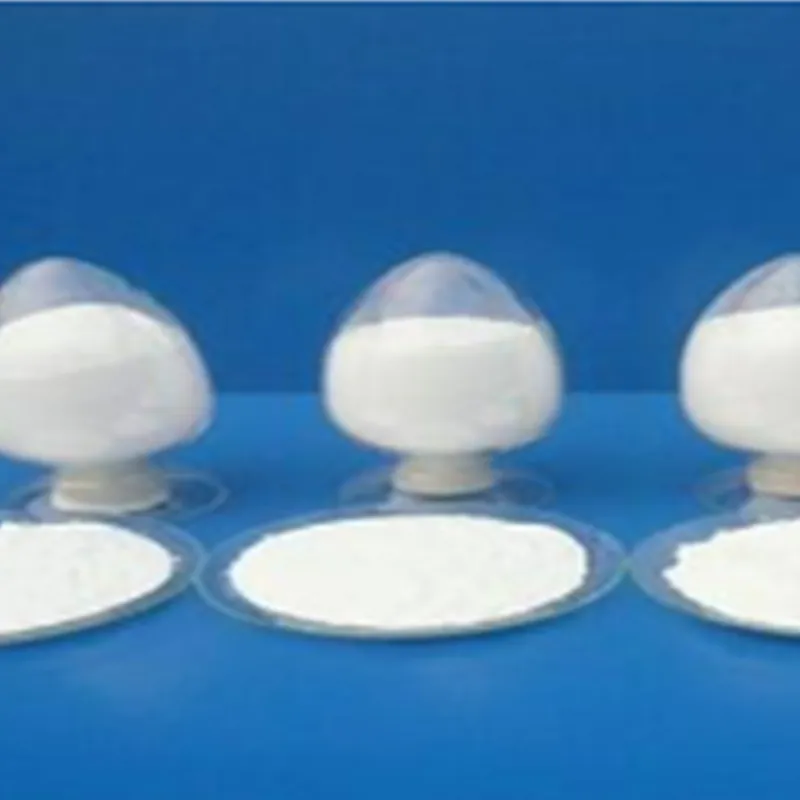
2. Synthetic Preservatives These are chemically manufactured compounds that effectively prevent spoilage. Examples include - Calcium Propionate Commonly found in commercial bread, this additive slows down mold growth and helps prolong freshness. - Sorbic Acid This is employed to inhibit yeast and mold, especially in sweet baked goods. - Ascorbic Acid Known as Vitamin C, it improves dough strength and acts as an antioxidant but is also noted for its preservative qualities.
Health Considerations
The use of preservatives in bread has spurred discussions regarding safety and health. While many preservatives are recognized as safe by food regulatory authorities, some consumers express concern about the long-term effects of consuming synthetic additives. This has led to a burgeoning market for organic and preservative-free bread, with consumers opting for options containing fewer chemicals and more natural ingredients.
Moreover, some individuals with sensitivities may be affected by certain preservatives, such as sulfites, which can trigger allergic reactions. It is vital for consumers to read labels carefully and understand what they are consuming, especially those with specific dietary restrictions.
Conclusion
Preservatives play an essential role in the bread-making industry, enhancing shelf life and maintaining food safety. Whether derived from natural sources or synthesized for efficiency, these additives help protect bread from spoilage and ensure that it reaches consumers in optimal condition. As the demand for transparency in food production increases, bakeries and manufacturers are adapting by developing cleaner, healthier options. Ultimately, understanding the role of preservatives allows consumers to make informed choices, balancing freshness, taste, and health considerations. With bread being a staple in diets worldwide, the thoughtful use of preservatives remains critical in delivering safe and enjoyable products to consumers.
-
Aspartame Buyer FAQ: Sweetness, Specifications and ApplicationsNewsNov.02,2026
-
Aluminum Hydroxide FAQ: Specifications, Ordering and Support QuestionsNewsOct.28,2026
-
Improve Crop Yield with Premium Calcium Boron FertilizerNewsJul.01,2026
-
Ultimate Guide to Cal Mag Fertilizer for Boosting Plant HealthNewsJun.29,2026
-
Maximize Crop Recovery Using High Performance Bounce Back FertilizerNewsJun.27,2026
-
Maximize Crop Yields and Soil Health with Biozyme FertilizerNewsJun.26,2026
-
Sustainable Agriculture Guide using bio organic fertilizerNewsJun.25,2026
Hebei Tenger Chemical Technology Co., Ltd. focuses on the chemical industry and is committed to the export service of chemical raw materials.
-

view more Tplyltriazole(TTA)Tplyltriazole is a powerful and versatile corrosion inhibitor,it is a white particle or powder that is easily hygroscopic and can be processed into large, small, columnar, fine, or powdered shapes.It is a highly effective solution for preventing rust and corrosion on a variety of metal surfaces, making it an ideal choice for a wide range of applications. -

view more Formic AcidFormic acid, is a colorless, pungent-smelling liquid.With its unique properties and diverse applications that serves a wide range of industrial and commercial applications. -

view more Aluminum HydroxideAluminum Hydroxide, a versatile and essential product for a wide range of applications.This product is a white, amorphous powder that is insoluble in water and has a variety of uses in industries such as pharmaceuticals, cosmetics, and manufacturing.