





butyl rubber
Understanding Butyl Rubber Properties, Applications, and Benefits
Butyl rubber, a synthetic rubber derived from the polymerization of isobutylene with a small amount of isoprene, has established itself as a material of significant importance in various industries. Developed in the 1940s, butyl rubber has unique properties that set it apart from other types of rubber, making it a preferred choice for many applications. This article delves into the characteristics, applications, and advantages of butyl rubber, illuminating its crucial role in modern manufacturing and consumer products.
Properties of Butyl Rubber
Butyl rubber possesses a range of physical and chemical properties that make it an exceptional material. One of its most notable characteristics is its excellent impermeability to gases, particularly air. This makes butyl rubber an ideal choice for applications requiring airtight seals, such as tire inner linings. Additionally, butyl rubber exhibits remarkable resistance to aging, ozone, and UV radiation, which prolongs the lifespan and performance of products made from it.
The rubber also remains flexible at low temperatures, making it suitable for use in diverse environmental conditions. Its inherent elasticity and tensile strength allow it to withstand stretching and stress without losing its structural integrity. Moreover, butyl rubber's low heat buildup during operation reduces the risk of failure in high-temperature applications, highlighting its versatility across various industries.
Applications of Butyl Rubber
The unique properties of butyl rubber lend themselves to numerous applications. One of the most significant uses is in the manufacturing of tires. Butyl rubber is primarily used in the inner linings of tires due to its excellent air retention properties. By preventing air leakage, it contributes to fuel efficiency and extended tire life, enhancing overall vehicle performance.
Beyond the automotive industry, butyl rubber is commonly utilized in the production of sealants, adhesives, and coatings. Its excellent adhesive properties make it an ideal component in construction materials, ensuring robust and durable bonds. Furthermore, butyl rubber is often used in the medical field, particularly for the production of pharmaceutical packaging and rubber stoppers, where its impermeability and non-reactive nature protect sensitive contents from contamination.
butyl rubber
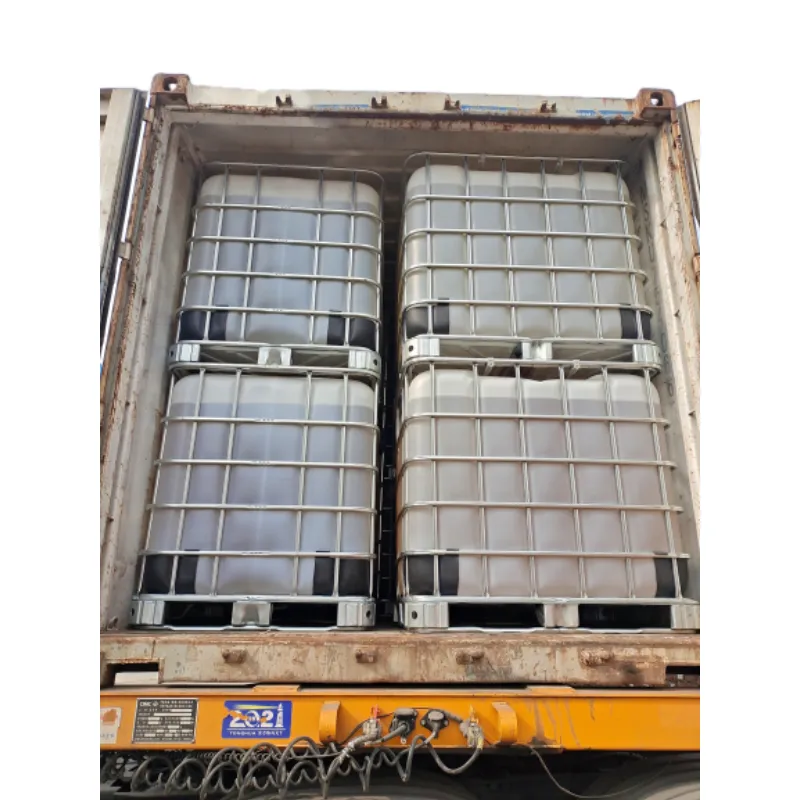
In consumer goods, butyl rubber is found in products ranging from sporting equipment to inflatable items. Its flexibility and resilience make it suitable for items that require repeated bending or compression, such as shock absorbers in sports gear. Additionally, its water resistance and durability make it a popular choice for outdoor products, including outdoor furniture and recreational equipment.
Benefits of Using Butyl Rubber
The benefits of butyl rubber extend beyond its physical attributes. Its durability and resistance to environmental factors translate to cost-effectiveness for manufacturers and consumers alike. By producing longer-lasting products, butyl rubber reduces the frequency of replacements, resulting in savings over time.
Another advantage is its environmental impact; while the production of synthetic rubbers does involve petrochemical processes, butyl rubber's durability means that less material is typically required for the same performance, reducing waste. Moreover, many manufacturers are adopting more sustainable practices in producing butyl rubber, including recycling initiatives that help minimize the ecological footprint associated with its use.
Furthermore, butyl rubber is generally considered to be safe for use in food and medical applications. Its non-toxic properties and low leachability ensure that it does not contaminate products or environments, making it an invaluable material in sensitive industries.
Conclusion
In conclusion, butyl rubber is a versatile and indispensable synthetic material with unique properties that make it suitable for a wide array of applications. Its impermeability, durability, and flexibility contribute to its prominence in industries ranging from automotive to medical. As manufacturers continue to seek sustainable solutions, the benefits offered by butyl rubber position it as a reliable choice for both current and future applications. Whether in tires, sealants, or consumer goods, butyl rubber remains a material that stands the test of time, demonstrating its essential role in modern manufacturing and everyday life.
-
How to Choose Dimethyl Disulfide DMDS for Industrial UseNewsNov.09,2026
-
Aspartame Buyer FAQ: Sweetness, Specifications and ApplicationsNewsNov.02,2026
-
Aluminum Hydroxide FAQ: Specifications, Ordering and Support QuestionsNewsOct.28,2026
-
Improve Crop Yield with Premium Calcium Boron FertilizerNewsJul.01,2026
-
Ultimate Guide to Cal Mag Fertilizer for Boosting Plant HealthNewsJun.29,2026
-
Maximize Crop Recovery Using High Performance Bounce Back FertilizerNewsJun.27,2026
-
Maximize Crop Yields and Soil Health with Biozyme FertilizerNewsJun.26,2026
Hebei Tenger Chemical Technology Co., Ltd. focuses on the chemical industry and is committed to the export service of chemical raw materials.
-

view more Tplyltriazole(TTA)Tplyltriazole is a powerful and versatile corrosion inhibitor,it is a white particle or powder that is easily hygroscopic and can be processed into large, small, columnar, fine, or powdered shapes.It is a highly effective solution for preventing rust and corrosion on a variety of metal surfaces, making it an ideal choice for a wide range of applications. -

view more Formic AcidFormic acid, is a colorless, pungent-smelling liquid.With its unique properties and diverse applications that serves a wide range of industrial and commercial applications. -

view more Aluminum HydroxideAluminum Hydroxide, a versatile and essential product for a wide range of applications.This product is a white, amorphous powder that is insoluble in water and has a variety of uses in industries such as pharmaceuticals, cosmetics, and manufacturing.