





Understanding the Role of Carrageenan as a Food Additive in Modern Cuisine
The Role of Carrageenan as a Food Additive
Carrageenan is a widely used food additive derived from red seaweed and has gained popularity in the food industry for its remarkable gelling, thickening, and stabilizing properties. This natural polysaccharide has been utilized for centuries in various culinary practices, but it has become particularly prominent since the mid-20th century. As consumers become more health-conscious and interested in ingredient sourcing, the spotlight on carrageenan as a food additive has intensified, leading to discussions about its safety, functionality, and the potential implications of its consumption.
Functionality in Food Products
Carrageenan is primarily used to enhance the texture and mouthfeel of a variety of food products. In dairy products, such as chocolate milk, ice cream, and yogurt, carrageenan helps to create a creamy texture and prevents the separation of ingredients. By forming a gel-like structure, it ensures that the product maintains consistency throughout its shelf life. In plant-based alternatives, such as almond milk and soy milk, carrageenan mimics the creamy consistency that consumers expect from dairy products, making it popular in vegan and vegetarian formulations.
Beyond dairy, carrageenan acts as a stabilizer in various sauces, gravies, and salad dressings. It improves the overall quality of these products by preventing the separation of oil and water, enhancing visual appeal, and ensuring a smoother texture. Its versatility makes it a valuable additive in both commercial food manufacturing and home cooking.
Safety and Health Considerations
carrageenan food additive
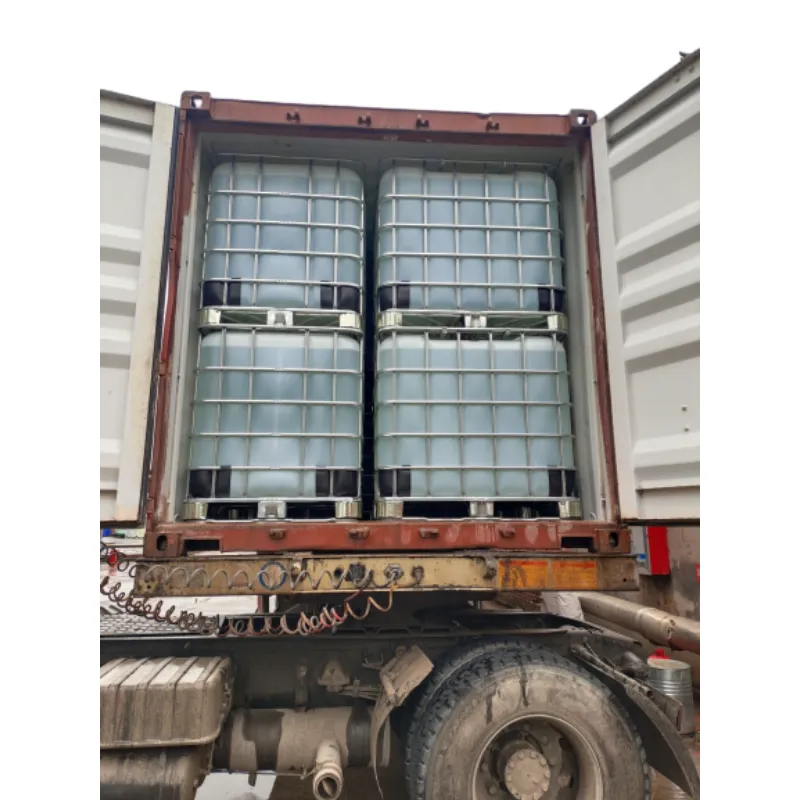
Despite its broad usage, carrageenan has been the subject of debate regarding its safety as a food additive. Some studies have raised concerns about its potential link to gastrointestinal issues, inflammation, and other health problems. Critics argue that the digestion of carrageenan may produce substances that contribute to these adverse effects. However, regulatory agencies, including the FDA and the European Food Safety Authority (EFSA), have classified carrageenan as safe for use in food products, provided that it adheres to specified usage levels.
The differing opinions on the safety of carrageenan highlight the importance of ongoing research and consumer awareness. Many food manufacturers are aware of the controversies surrounding carrageenan and are exploring alternative thickening agents, such as agar, pectin, or gelatin, particularly for products aimed at health-conscious consumers. As more individuals seek transparency about the ingredients in their food, businesses are pressured to provide reliable information about additives like carrageenan.
Culinary Innovations and Future Outlook
With the growing demand for plant-based and clean-label products, the food industry continues to explore innovative applications of carrageenan. Its ability to create unique textures and enhance mouthfeel makes it a popular choice for developing new food products that appeal to diverse consumer tastes. Additionally, the advent of culinary techniques that emphasize plant-based ingredients positions carrageenan as an essential component for achieving desirable attributes in vegan and vegetarian foods.
As the conversation around food additives evolves, it is crucial for consumers to be informed about the ingredients they consume. Awareness of food additives like carrageenan can empower consumers to make better choices based on their dietary preferences and health considerations. Since the regulatory landscape and scientific understanding of food additives continue to develop, it is essential for manufacturers and consumers alike to stay informed about the safety and functionality of ingredients used in food production.
In conclusion, carrageenan serves a vital role in the food industry by enhancing texture and stability in numerous food products. Despite ongoing discussions about its health implications, regulatory authorities deem it safe for consumption. As the market trends towards healthier, plant-based options, carrageenan remains a critical additive in creating products that meet consumer expectations while offering diverse culinary experiences. As with any ingredient, moderation and informed choices remain key in maintaining a balanced diet.
-
How to Choose Dimethyl Disulfide DMDS for Industrial UseNewsNov.09,2026
-
Aspartame Buyer FAQ: Sweetness, Specifications and ApplicationsNewsNov.02,2026
-
Aluminum Hydroxide FAQ: Specifications, Ordering and Support QuestionsNewsOct.28,2026
-
Improve Crop Yield with Premium Calcium Boron FertilizerNewsJul.01,2026
-
Ultimate Guide to Cal Mag Fertilizer for Boosting Plant HealthNewsJun.29,2026
-
Maximize Crop Recovery Using High Performance Bounce Back FertilizerNewsJun.27,2026
-
Maximize Crop Yields and Soil Health with Biozyme FertilizerNewsJun.26,2026
Hebei Tenger Chemical Technology Co., Ltd. focuses on the chemical industry and is committed to the export service of chemical raw materials.
-

view more Tplyltriazole(TTA)Tplyltriazole is a powerful and versatile corrosion inhibitor,it is a white particle or powder that is easily hygroscopic and can be processed into large, small, columnar, fine, or powdered shapes.It is a highly effective solution for preventing rust and corrosion on a variety of metal surfaces, making it an ideal choice for a wide range of applications. -

view more Formic AcidFormic acid, is a colorless, pungent-smelling liquid.With its unique properties and diverse applications that serves a wide range of industrial and commercial applications. -

view more Aluminum HydroxideAluminum Hydroxide, a versatile and essential product for a wide range of applications.This product is a white, amorphous powder that is insoluble in water and has a variety of uses in industries such as pharmaceuticals, cosmetics, and manufacturing.