





citric acid preservative
The Role of Citric Acid as a Preservative Benefits, Applications, and Safety
Citric acid, a naturally occurring organic acid found in citrus fruits, has become an indispensable ingredient in the food industry, particularly as a preservative. This multifunctional acid not only imparts a tangy flavor to various products but also serves as an effective preservative, enhancing the safety and shelf life of food items. In this article, we will explore the benefits and applications of citric acid as a preservative, as well as discuss its safety profile.
Understanding Citric Acid
Citric acid (C6H8O7) is a weak organic acid that is most commonly extracted from citrus fruits like lemons and limes. It is naturally present in the metabolism of all living cells and plays a crucial role in the citric acid cycle, a key metabolic pathway. The commercial production of citric acid primarily involves fermentation processes using molds, such as Aspergillus niger. This acid is widely used in the food and beverage industry due to its preservative properties, flavor enhancement, and ability to control pH.
Benefits of Using Citric Acid as a Preservative
1. Antimicrobial Properties Citric acid has been shown to possess antimicrobial properties that inhibit the growth of bacteria, molds, and yeast. This is particularly valuable in preserving foods that may be vulnerable to spoilage, such as fruits and vegetables, dairy products, and even some meat products.
2. pH Regulation One of the key benefits of citric acid is its ability to lower and control the pH of food products. Lower pH levels create an environment that is less conducive to microbial growth, thereby prolonging the shelf life of the food. This pH-regulating capacity is essential in many processed foods, as it not only helps to inhibit spoilage but also enhances flavor.
3. Natural Preservative With the increasing demand for natural and clean-label products, citric acid stands out as a safe alternative to synthetic preservatives. Consumers are becoming more conscious of their food choices, and citric acid, derived from natural sources, fits well with these preferences.
4. Antioxidant Properties Citric acid exhibits antioxidant properties, which means it can help prevent oxidative spoilage in various food products. Oxidation can lead to rancidity and loss of quality, particularly in fats and oils. By using citric acid, manufacturers can extend the freshness and overall quality of their products.
citric acid preservative

Applications of Citric Acid in Food Preservation
Citric acid is used in a wide range of food products, including
- Beverages Citric acid is common in soft drinks, fruit juices, and sports drinks, where it provides tartness and acts as a preservative. - Canned Foods It is often added to canned vegetables and fruits to prevent spoilage and maintain bright colors. - Dairy Products In cheese production, citric acid helps curd formation and acts as a preservative. - Meat and Fish Products Its application in marinated or cured meats helps inhibit bacterial growth and enhances flavor.
Safety Profile of Citric Acid
Citric acid is generally recognized as safe (GRAS) by the U.S. Food and Drug Administration (FDA) when used in accordance with good manufacturing practices. Although citric acid occurs naturally in many foods, excessive consumption through processed foods may cause some individuals to experience sensitivity. However, such cases are rare.
In moderate amounts, citric acid can be safely consumed by most individuals, and its presence in numerous food items helps prevent foodborne illnesses, thereby contributing to overall public health.
Conclusion
Citric acid serves as an effective and versatile preservative in the food industry. With its ability to inhibit microbial growth, regulate pH, and provide antioxidant benefits, it plays a critical role in maintaining food safety and quality. As consumers continue to seek natural ingredients in their food, the use of citric acid aligns with these preferences, offering a safe and efficient alternative to synthetic preservatives. The versatility and benefits of citric acid underscore its importance as a preservative, shaping the future of food production and consumption.
-
The Essential Guide to Sorbates as Food Preservatives for SafetyNewsApr.16,2026
-
The Ultimate Guide to Sorbate Preservative in Modern IndustryNewsApr.09,2026
-
Comprehensive Guide to Sodium Stearoyl Lactylate Emulsifier Applications and BenefitsNewsApr.07,2026
-
Comprehensive Guide to Sodium Cyclamate Sweetener Properties and ApplicationsNewsApr.04,2026
-
Comprehensive Guide to Sodium Citrate Food Additive and Its ApplicationsNewsMar.31,2026
-
Comprehensive Guide to Sodium Bicarbonate Food Additive Applications and BenefitsNewsMar.28,2026
-
Understanding Sodium Benzoate Preservative in Cosmetics and Its ApplicationsNewsMar.26,2026
Hebei Tenger Chemical Technology Co., Ltd. focuses on the chemical industry and is committed to the export service of chemical raw materials.
-
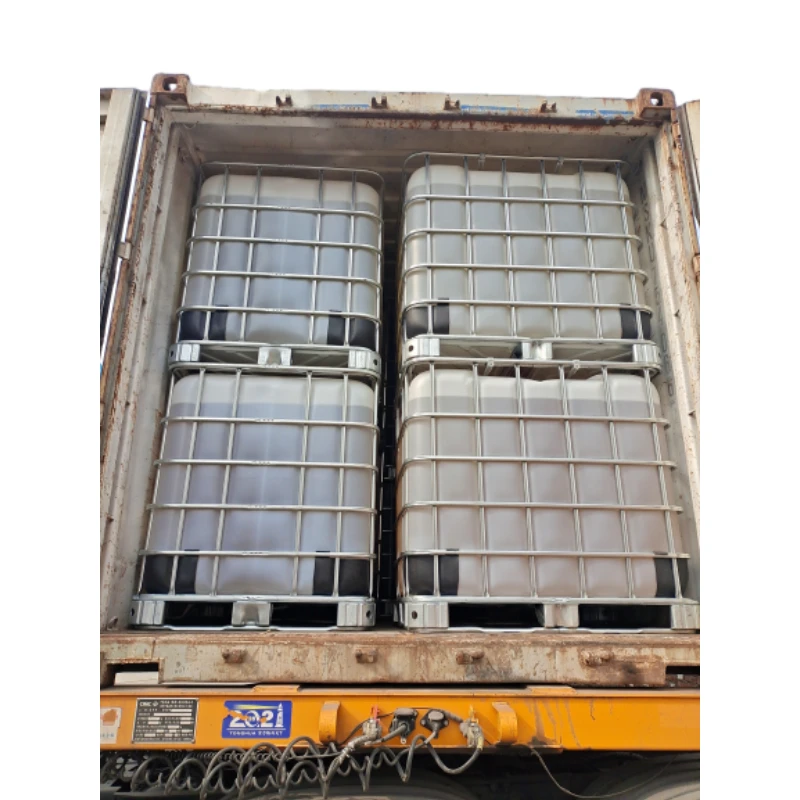
view more DiethanolisopropanolamineIn the ever-growing field of chemical solutions, diethanolisopropanolamine (DEIPA) stands out as a versatile and important compound. Due to its unique chemical structure and properties, DEIPA is of interest to various industries including construction, personal care, and agriculture. -
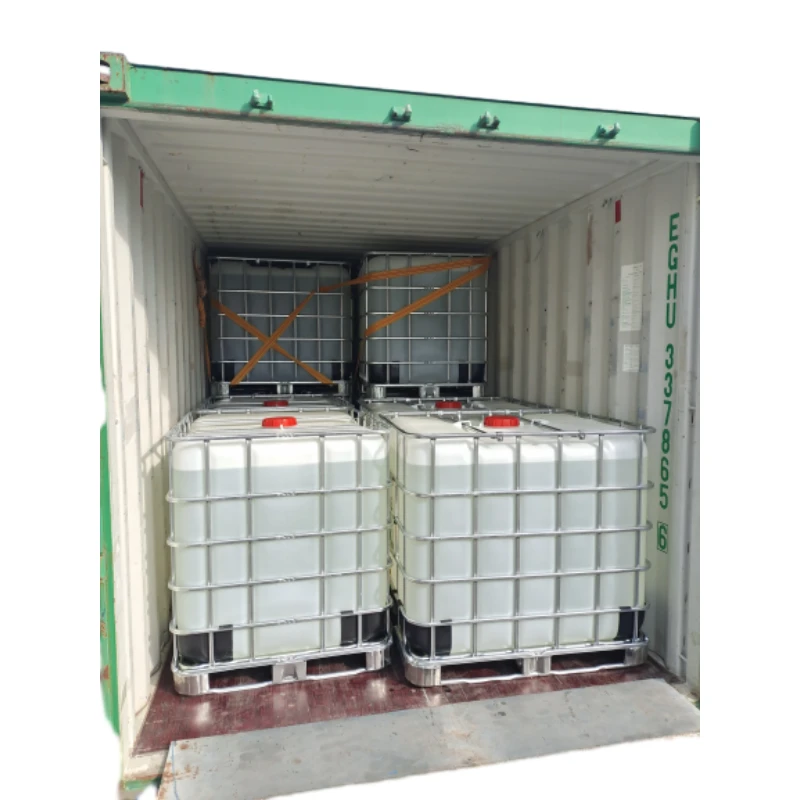
view more TriisopropanolamineTriisopropanolamine (TIPA) alkanol amine substance, is a kind of alcohol amine compound with amino and alcohol hydroxyl, and because of its molecules contains both amino and hydroxyl. -

view more Tetramethyl Thiuram DisulfideTetramethyl thiuram disulfide, also known as TMTD, is a white to light-yellow powder with a distinct sulfur-like odor. It is soluble in organic solvents such as benzene, acetone, and ethyl acetate, making it highly versatile for use in different formulations. TMTD is known for its excellent vulcanization acceleration properties, which makes it a key ingredient in the production of rubber products. Additionally, it acts as an effective fungicide and bactericide, making it valuable in agricultural applications. Its high purity and stability ensure consistent performance, making it a preferred choice for manufacturers across various industries.