





Comprehensive Guide to Food Additives: Uses, Benefits, and Trends
Understanding Food Additives: Essentials and Industry Insight
Food additives—oddly enough—aren't just some mysterious chemical compounds. They’re actually a key part of our food supply chain, making products safer, tastier, and longer-lasting. Globally, with over 7 billion people depending on a stable food supply, understanding food additives matters more than ever. These substances support everything from preserving freshness to enhancing flavor, contributing significantly to food security and reducing waste worldwide.
So if you’re curious why your favorite snack stays crisp on the shelf or how fruits remain vibrant in winter, join me for a deep dive into the world of food additives. We'll unpack what they are, why they matter, and how they’re evolving for a future that’s safer and greener.
Global Context: The Growing Role of Food Additives
Across continents—from bustling cities to remote rural communities—food additives play a critical part. The Food and Agriculture Organization (FAO) estimates that food loss due to spoilage and quality decline accounts for roughly one-third of all produced food (FAO, 2021). Against this backdrop, additives help extend shelf life and retain nutritional value, supporting food security in places where refrigeration or logistics are limited.
Furthermore, as global diets diversify and processed foods increase, additives ensure consistent quality and safety standards—essential for international trade and public health. Yet, there are challenges. Concerns about health impacts, regulatory disparities, and consumer awareness create a complex landscape that the industry must navigate carefully.
What Are Food Additives Exactly?
Simply put, food additives are substances added intentionally to food to perform specific technological functions. They can preserve, color, sweeten, or emulsify foods, among other roles. For example, ascorbic acid (vitamin C) often prevents oxidation that browns fruits, while lecithin stabilizes chocolate's structure.
From a humanitarian angle, additives help maintain nutritional quality in fortified foods and ready-to-eat meals, critical in disaster relief or food aid programs. So they’re not just scientific curiosities; they’re practical solutions intertwined with modern food systems.
Core Factors of Food Additives in Practice
- Safety: Strict regulations (e.g., by the FDA, EFSA) ensure additives are thoroughly tested and deemed safe for consumption in specified amounts.
- Functionality: Each additive serves a targeted purpose—whether preserving freshness, enhancing flavor, or improving texture. Their effectiveness impacts consumer satisfaction and shelf life.
- Compatibility: Additives must work well with a variety of food matrices without altering taste undesirably or causing unintended reactions.
- Scalability: In industrial food production, additives need to be cost-effective and available at scale, supporting consistent mass manufacturing.
- Labeling and Consumer Trust: Transparency about additive use aligns with growing demand for natural, organic, and clean-label products.
Mini takeaway: Food additives, while often invisible, are pivotal in balancing safety, taste, and efficiency in food manufacturing.
Global Applications & Use Cases
Food additives see widespread use: in Asia’s vast frozen food sector; Europe’s strict culinary standards; North America’s processed snack production; and Africa’s emerging packaged goods market. For instance, in post-disaster relief efforts, vitamin-fortified additives help maintain nutritional content in emergency rations. Similarly, in remote industrial zones with limited refrigeration, preservatives prevent spoilage during long transportation.
Undoubtedly, their reach is broad and their benefit tangible. Food manufacturers rely on them to deliver consistent quality, while policymakers leverage additive standards to ensure safety and trade compliance.
Typical Food Additives and Product Specifications
| Additive | Function | Common Use | Typical Dosage |
|---|---|---|---|
| Sodium Benzoate | Preservative | Beverages, Pickles | 0.05% - 0.1% |
| Citric Acid | Flavor Enhancer & Preservative | Soft Drinks, Canned Vegetables | 0.1% - 0.5% |
| Lecithin | Emulsifier | Chocolate, Bakery Items | 0.3% - 0.5% |
Comparing Popular Food Additive Suppliers
| Supplier | Product Range | Certifications | Global Reach |
|---|---|---|---|
| Tenger Chemical | Preservatives, Emulsifiers, Sweeteners | ISO, HACCP, GMP | Asia, Europe, Americas |
| Global Food Ingredients | Antioxidants, Colors | ISO, FDA Registered | Europe, North America |
| Pure Additives Co. | Natural Additives, Flavor Enhancers | Organic Certification | Global |
Advantages & Long-Term Value of Food Additives
Frankly, additives bring more than just technical perks. On a practical level, they reduce spoilage and the economic losses it causes. This supports sustainability by lowering food waste and environmental impact, which is increasingly vital in our resource-conscious world. One would argue that additives also lend important social benefits—by preserving food safety, they protect public health and enhance trust in food brands.
Emotionally, additives enable innovators to develop foods that cater to dietary restrictions without sacrificing taste or texture. So whether it’s a gluten-free bread that stays moist or a sugar-free candy that still delights, these substances underpin much of today’s culinary creativity.
Emerging Trends & Innovations in Food Additives
New developments signal a greener, smarter future. The rise of natural and plant-based additives parallels consumer demand for “clean labels.” Digital transformation in food production means additives can now be monitored and optimized in real time, improving quality control. Plus, research into biodegradable packaging and ‘smart’ preservatives promises to further reduce waste and leakages.
Interestingly, regulatory bodies are tightening guidelines to ensure safety while encouraging innovation. It’s a delicate balance but one that pushes the industry toward sustainability and transparency.
Overcoming Challenges: What’s Next?
Despite all the benefits, food additives face criticism around health concerns and environmental impact. Addressing these concerns requires clear communication, rigorous safety assessments, and alternative formulations that prioritize natural origins.
Some experts suggest advanced biotechnology will produce new additive types with enhanced efficacy and even nutritional benefits. Collaboration between manufacturers, regulators, and consumers is key to evolve with trust and integrity.
FAQ: Frequently Asked Questions About Food Additives
- Q: Are all food additives safe to consume?
A: Most food additives approved by agencies like the FDA or EFSA have undergone extensive safety testing. However, consumption levels must adhere to guidelines to avoid adverse effects. Always check product labels and consult reliable sources. - Q: Can food additives cause allergies or sensitivities?
A: Some additives may trigger allergic reactions in sensitive individuals, such as sulfites or certain colorants. It varies, so paying attention to ingredient lists and medical advice is important. - Q: Are natural additives always better than synthetic?
A: Not necessarily. Both natural and synthetic additives have pros and cons. Synthetic additives can be purer and more consistent, whereas natural ones appeal for clean-label trends. Efficacy and safety are what really matter. - Q: How can manufacturers ensure transparency with additives?
A: Clear labeling, third-party certifications, and consumer education initiatives help build trust and clarify additive roles and safety profiles. - Q: Is it possible to avoid food additives altogether?
A: While some fresh or home-cooked foods have no additives, processed and packaged foods typically contain them. Avoiding additives entirely is challenging but possible through conscious purchasing and food preparation.
Conclusion: Why Food Additives Matter to Everyone
Looking ahead, food additives continue to be essential allies in feeding a growing global population efficiently and safely. They bring undeniable benefits—from improving safety to enabling innovation in food products.
If you want to explore more about how food additives shape the food industry and get reliable supplies, be sure to visit Tenger Chemical's site. Trustworthy sources and clear information empower better choices for producers and consumers alike.
Reflecting on the topic, it’s striking how these seemingly invisible ingredients underpin so much of our daily nourishment. Next time you open a packaged snack, remember the intricate science that helps keep it fresh and enjoyable.
References:
1. Food and Agriculture Organization: Food loss and waste statistics
2. ISO Standards for Food Safety
3. Wikipedia: Food Additives
-
The Essential Guide to Sorbates as Food Preservatives for SafetyNewsApr.16,2026
-
The Ultimate Guide to Sorbate Preservative in Modern IndustryNewsApr.09,2026
-
Comprehensive Guide to Sodium Stearoyl Lactylate Emulsifier Applications and BenefitsNewsApr.07,2026
-
Comprehensive Guide to Sodium Cyclamate Sweetener Properties and ApplicationsNewsApr.04,2026
-
Comprehensive Guide to Sodium Citrate Food Additive and Its ApplicationsNewsMar.31,2026
-
Comprehensive Guide to Sodium Bicarbonate Food Additive Applications and BenefitsNewsMar.28,2026
-
Understanding Sodium Benzoate Preservative in Cosmetics and Its ApplicationsNewsMar.26,2026
Hebei Tenger Chemical Technology Co., Ltd. focuses on the chemical industry and is committed to the export service of chemical raw materials.
-
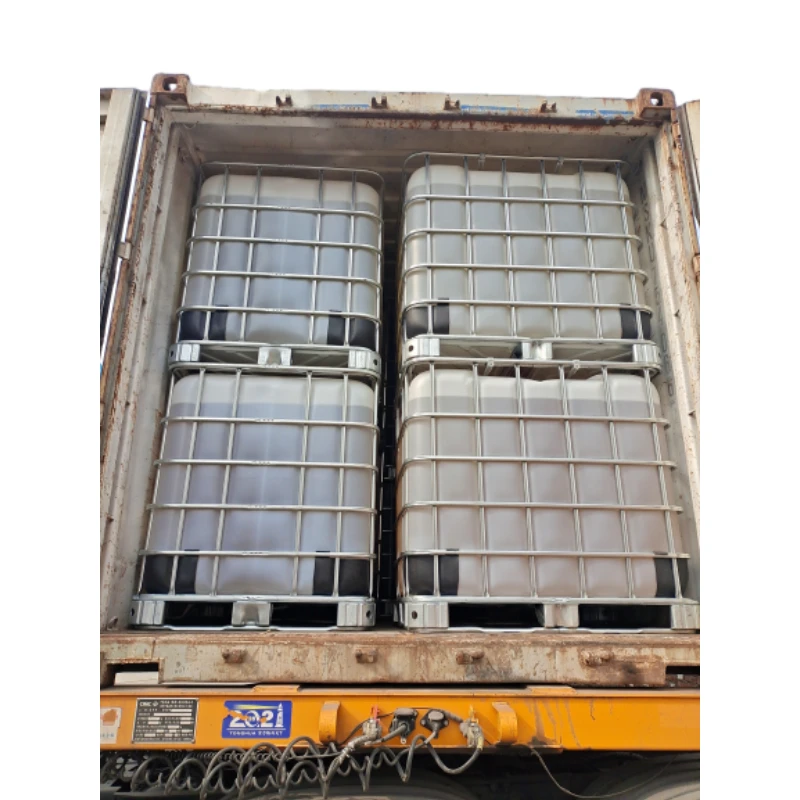
view more DiethanolisopropanolamineIn the ever-growing field of chemical solutions, diethanolisopropanolamine (DEIPA) stands out as a versatile and important compound. Due to its unique chemical structure and properties, DEIPA is of interest to various industries including construction, personal care, and agriculture. -

view more TriisopropanolamineTriisopropanolamine (TIPA) alkanol amine substance, is a kind of alcohol amine compound with amino and alcohol hydroxyl, and because of its molecules contains both amino and hydroxyl. -

view more Tetramethyl Thiuram DisulfideTetramethyl thiuram disulfide, also known as TMTD, is a white to light-yellow powder with a distinct sulfur-like odor. It is soluble in organic solvents such as benzene, acetone, and ethyl acetate, making it highly versatile for use in different formulations. TMTD is known for its excellent vulcanization acceleration properties, which makes it a key ingredient in the production of rubber products. Additionally, it acts as an effective fungicide and bactericide, making it valuable in agricultural applications. Its high purity and stability ensure consistent performance, making it a preferred choice for manufacturers across various industries.