





Comprehensive Guide to Silicone Anti Foaming Agent in Food Processing
Silicone Anti Foaming Agent in Food: A Comprehensive Guide
Foam control is critical in many food processing applications. Unwanted foam can lead to production inefficiencies, overflow issues, and compromised product quality. That's where silicone anti foaming agents play a vital role. These agents are highly effective at suppressing foam formation without negatively impacting the food product itself. This article will explore the benefits, applications, and considerations for using silicone anti foaming agents in the food industry, providing a detailed overview for food manufacturers and professionals. We’ll cover why choosing the right antifoam agent is crucial for optimal production and product integrity.
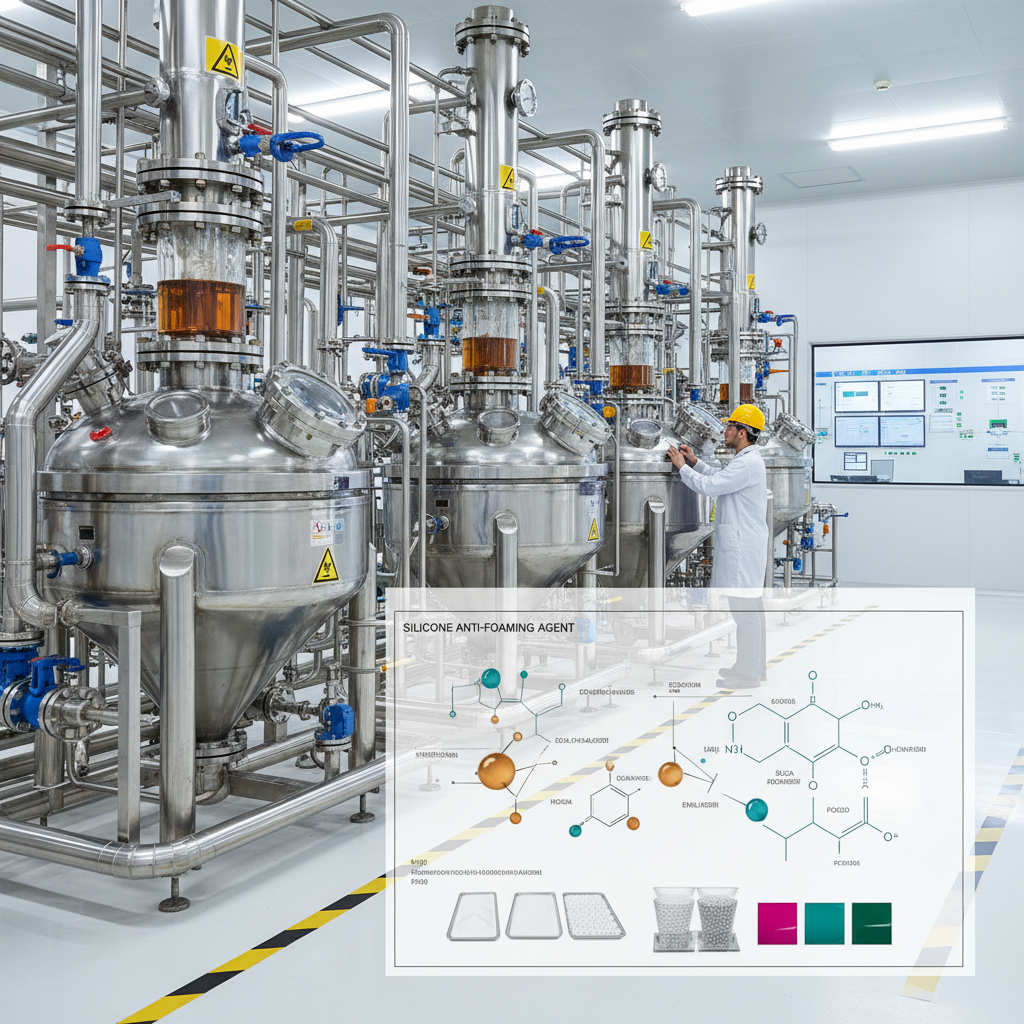
Understanding Silicone Anti Foaming Agents
Silicone anti foaming agents are surface-active substances that reduce the surface tension of liquids, causing foam bubbles to break more easily. Unlike some other antifoams, silicones are effective in both aqueous and non-aqueous systems. They exhibit excellent chemical stability and are relatively inert, making them suitable for use in a wide variety of food processing environments. Crucially, food-grade silicone antifoams are specifically designed to meet strict regulatory requirements, ensuring consumer safety. They are available in various forms, including emulsions, powders, and concentrates, allowing for flexible application methods. Choosing the right silicone-based antifoam agent from Tenger Chemical is key for optimal performance and safety.
Key Benefits: Excellent foam control, chemical stability, wide compatibility, non-toxic when food-grade, available in various forms.
Applications of Silicone Anti Foaming Agent in Food
The food industry utilizes silicone anti foaming agents across a diverse range of applications. These include beverage production (carbonated drinks, juices, beer), fermentation processes (yeast production, brewing), dairy processing (milk homogenization, yogurt production), and vegetable oil refining. They are also vital in soup and sauce manufacturing, confectionery production, and starch processing. By preventing foam buildup, these agents ensure efficient mixing, heat transfer, and filling operations, resulting in higher yields and consistent product quality. Proper dosage and selection of the correct agent are crucial to achieving desired results without affecting product taste or texture.
Common Food Industry Applications:
• Beverage Production (Carbonated drinks, Juices, Beer)
• Fermentation Processes (Yeast, Brewing)
• Dairy Processing (Milk, Yogurt)
• Vegetable Oil Refining
Silicone vs. Other Anti Foaming Agents: A Comparison
While various anti foaming agents are available, silicone antifoams often outperform alternatives in food applications. Compared to oil-based antifoams, silicones offer broader compatibility and lower dosage requirements. Unlike some organic antifoams, they exhibit greater chemical stability and are less prone to degradation. However, it’s important to note that the choice of antifoam agent depends on the specific application and process conditions. For instance, in certain sensitive flavor profiles, alternative antifoams might be preferred. The following table summarizes key differences:
Choosing the Right Silicone Anti Foaming Agent from Tenger Chemical
Selecting the optimal silicone anti foaming agent requires careful consideration of several factors, including the food matrix, process conditions (temperature, pH), and regulatory requirements. Tenger Chemical offers a comprehensive range of food-grade silicone antifoams tailored to diverse applications. Our experienced team can provide expert guidance to help you identify the most suitable product for your specific needs. We focus on providing high-quality, compliant solutions that optimize your production processes and ensure product safety. Contact us today for a consultation.

Product Specifications and Safety Considerations
All our silicone anti foaming agents adhere to strict quality control standards and meet relevant food safety regulations (e.g., FDA, EFSA). They are manufactured using high-purity silicone polymers and are rigorously tested for impurities and contaminants. Proper handling and storage are essential to maintain product integrity. Always follow the recommended dosage guidelines and ensure compatibility with other ingredients in your formulation.
Conclusion
Silicone anti foaming agents are indispensable in modern food processing, enhancing efficiency, improving product quality, and ensuring safety. Tenger Chemical is your trusted partner for reliable, high-performance antifoam solutions. Invest in quality foam control, and elevate your production standards.
Frequently Asked Questions (FAQs)
What is the recommended dosage for silicone anti foaming agents?
The optimal dosage varies significantly depending on the specific food matrix, the degree of foaming, and the concentration of the antifoam agent. Generally, silicone antifoams are effective at very low concentrations, typically ranging from 1 to 100 ppm (parts per million). It's crucial to start with a low dosage and gradually increase it until the desired foam control is achieved. Overdosing can sometimes lead to adverse effects, such as destabilization of the emulsion or changes in product texture. Consulting with a Tenger Chemical expert can help determine the optimal dosage for your specific application.
Are silicone anti foaming agents safe for human consumption?
Food-grade silicone anti foaming agents are generally recognized as safe (GRAS) by regulatory bodies like the FDA and EFSA when used in accordance with good manufacturing practices and within specified limits. They are chemically inert and do not significantly affect the nutritional value or sensory properties of the food product. However, it's essential to use only food-grade silicones that meet purity requirements and are approved for use in food applications.
How should silicone anti foaming agents be stored?
Silicone antifoams should be stored in tightly closed containers, in a cool, dry, and well-ventilated area, away from direct sunlight and heat sources. Avoid exposure to extreme temperatures or humidity. Follow the manufacturer's specific storage recommendations, which can be found on the product label or safety data sheet (SDS). Proper storage helps maintain the product's stability and effectiveness over time.
Can silicone anti foaming agents affect the flavor or texture of food?
When used at the recommended dosage, food-grade silicone antifoams generally do not impart any noticeable flavor or texture changes to the food product. However, it’s always advisable to conduct small-scale testing to assess compatibility and sensory effects before implementing large-scale use. Choosing a high-quality silicone antifoam from a reputable supplier like Tenger Chemical can minimize the risk of unwanted sensory impacts.
-
The Essential Guide to Sorbates as Food Preservatives for SafetyNewsApr.16,2026
-
The Ultimate Guide to Sorbate Preservative in Modern IndustryNewsApr.09,2026
-
Comprehensive Guide to Sodium Stearoyl Lactylate Emulsifier Applications and BenefitsNewsApr.07,2026
-
Comprehensive Guide to Sodium Cyclamate Sweetener Properties and ApplicationsNewsApr.04,2026
-
Comprehensive Guide to Sodium Citrate Food Additive and Its ApplicationsNewsMar.31,2026
-
Comprehensive Guide to Sodium Bicarbonate Food Additive Applications and BenefitsNewsMar.28,2026
-
Understanding Sodium Benzoate Preservative in Cosmetics and Its ApplicationsNewsMar.26,2026
Hebei Tenger Chemical Technology Co., Ltd. focuses on the chemical industry and is committed to the export service of chemical raw materials.
-
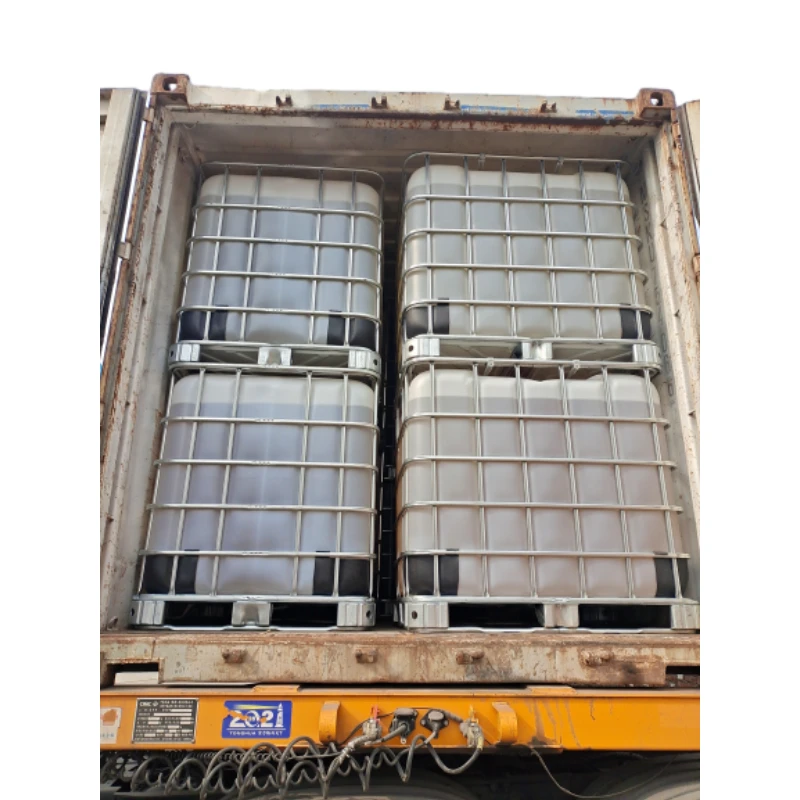
view more DiethanolisopropanolamineIn the ever-growing field of chemical solutions, diethanolisopropanolamine (DEIPA) stands out as a versatile and important compound. Due to its unique chemical structure and properties, DEIPA is of interest to various industries including construction, personal care, and agriculture. -
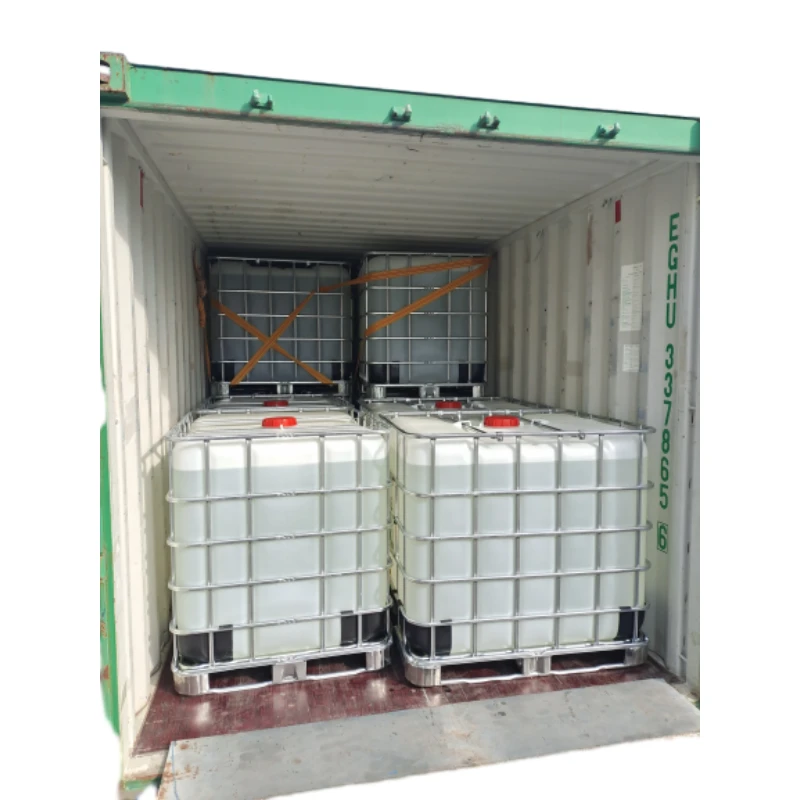
view more TriisopropanolamineTriisopropanolamine (TIPA) alkanol amine substance, is a kind of alcohol amine compound with amino and alcohol hydroxyl, and because of its molecules contains both amino and hydroxyl. -
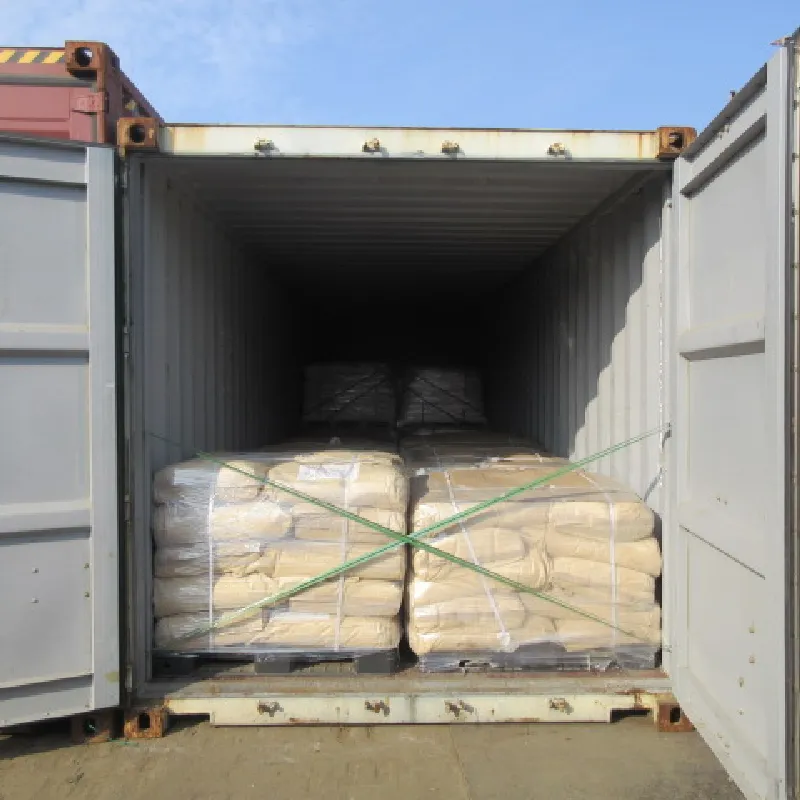
view more Tetramethyl Thiuram DisulfideTetramethyl thiuram disulfide, also known as TMTD, is a white to light-yellow powder with a distinct sulfur-like odor. It is soluble in organic solvents such as benzene, acetone, and ethyl acetate, making it highly versatile for use in different formulations. TMTD is known for its excellent vulcanization acceleration properties, which makes it a key ingredient in the production of rubber products. Additionally, it acts as an effective fungicide and bactericide, making it valuable in agricultural applications. Its high purity and stability ensure consistent performance, making it a preferred choice for manufacturers across various industries.