





Understanding and Utilizing Safe Food Preservatives for Enhanced Food Quality
Understanding Safe Food Preservatives: A Comprehensive Guide
Food preservation has been a critical practice throughout human history, ensuring food safety and extending shelf life. Modern food preservation relies heavily on safe food preservatives, substances added to foods to prevent spoilage caused by microorganisms, oxidation, or enzymatic reactions. Choosing the right preservatives is vital for maintaining food quality, preventing foodborne illnesses, and meeting regulatory standards. At Tenger Chemical, we specialize in providing high-quality, safe preservatives for a wide range of food applications. Understanding these preservatives and their applications is essential for food manufacturers and consumers alike.
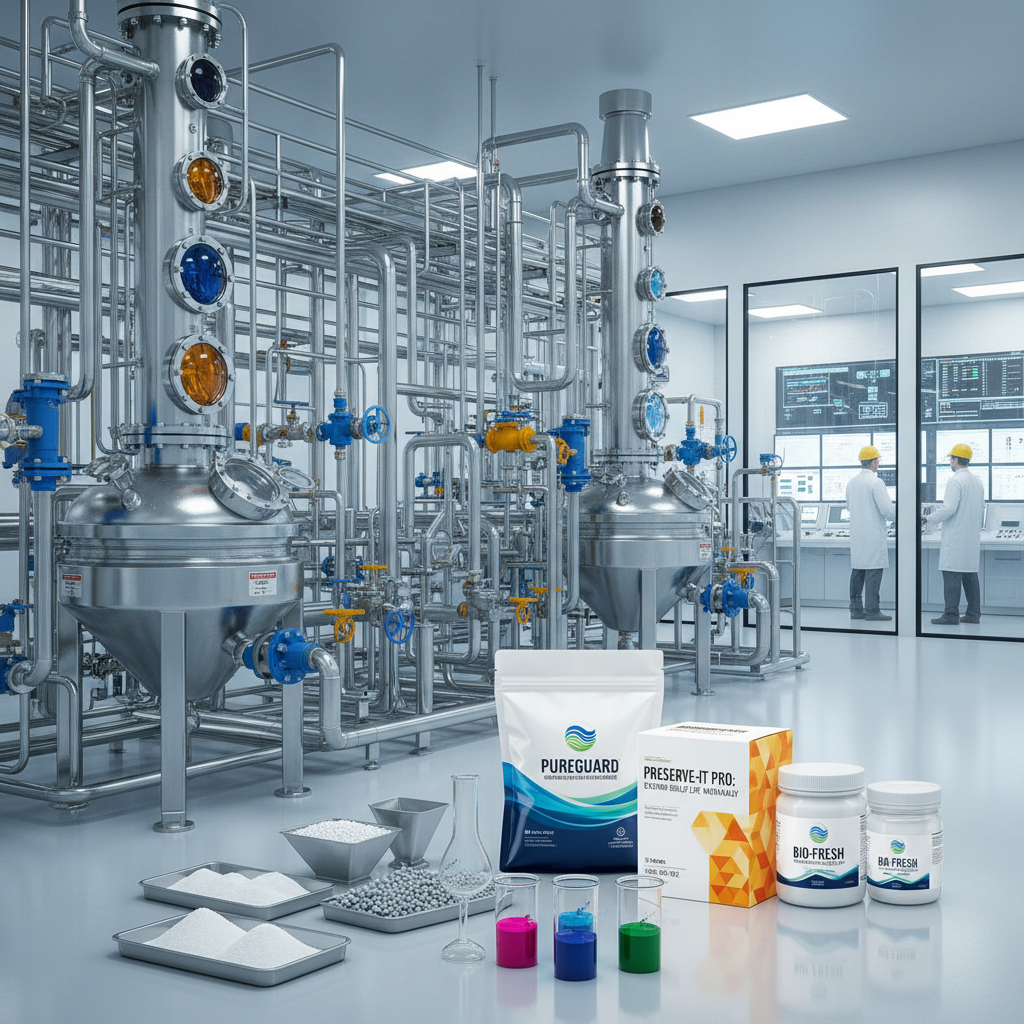
What are Safe Food Preservatives and Why are They Important?
Safe food preservatives are substances, both natural and synthetic, used to inhibit the growth of bacteria, molds, yeasts, and other microorganisms that cause food spoilage. They also help prevent undesirable changes in color, flavor, and texture. Their importance stems from their ability to significantly extend the shelf life of food products, reduce food waste, and, crucially, prevent foodborne illnesses. Without preservatives, many of the foods we enjoy today would be unavailable or require significantly different, often less convenient, storage methods. Food safety regulations in most countries tightly control the types and amounts of preservatives allowed in food to ensure consumer health and safety.
Key Benefits: Reduced food waste, prevention of foodborne illnesses, extended shelf life, and maintained food quality.
Common Types of Safe Food Preservatives
There's a wide array of safe food preservatives available, each with unique properties and applications. Some of the most common include: sorbates (potassium sorbate), benzoates (sodium benzoate), nitrites and nitrates (used in cured meats), sulfites, and antioxidants like ascorbic acid (vitamin C) and tocopherols (vitamin E). Natural preservatives, like salt, sugar, vinegar, and spices, have been used for centuries and continue to play an important role. The selection of a preservative depends on factors like the type of food, pH level, water activity, and desired shelf life.
Preservative Categories: Natural preservatives (salt, sugar, vinegar), synthetic preservatives (sorbates, benzoates), and antioxidants (vitamin C, vitamin E).
• Natural preservatives have a long history of use but may alter food flavor significantly.
• Synthetic preservatives are often more effective at lower concentrations.
• Antioxidants prevent oxidation, preserving color, flavor, and nutritional value.
Safe Food Preservatives: A Comparative Analysis
Understanding the differences between various safe food preservatives is crucial for selecting the optimal solution for a specific food product. The table below provides a comparative overview of some commonly used preservatives, outlining their properties, applications, and regulatory status. It's important to note that regulatory approval for food preservatives varies by country, and manufacturers must adhere to local guidelines.
Tenger Chemical: Your Partner for Safe Food Preservation
At Tenger Chemical, we are committed to providing high-quality, rigorously tested safe food preservatives to meet the diverse needs of the food industry. We offer a comprehensive range of preservatives, backed by expert technical support and a dedication to customer satisfaction. We understand the importance of adhering to strict regulatory standards and work closely with our clients to ensure compliance.
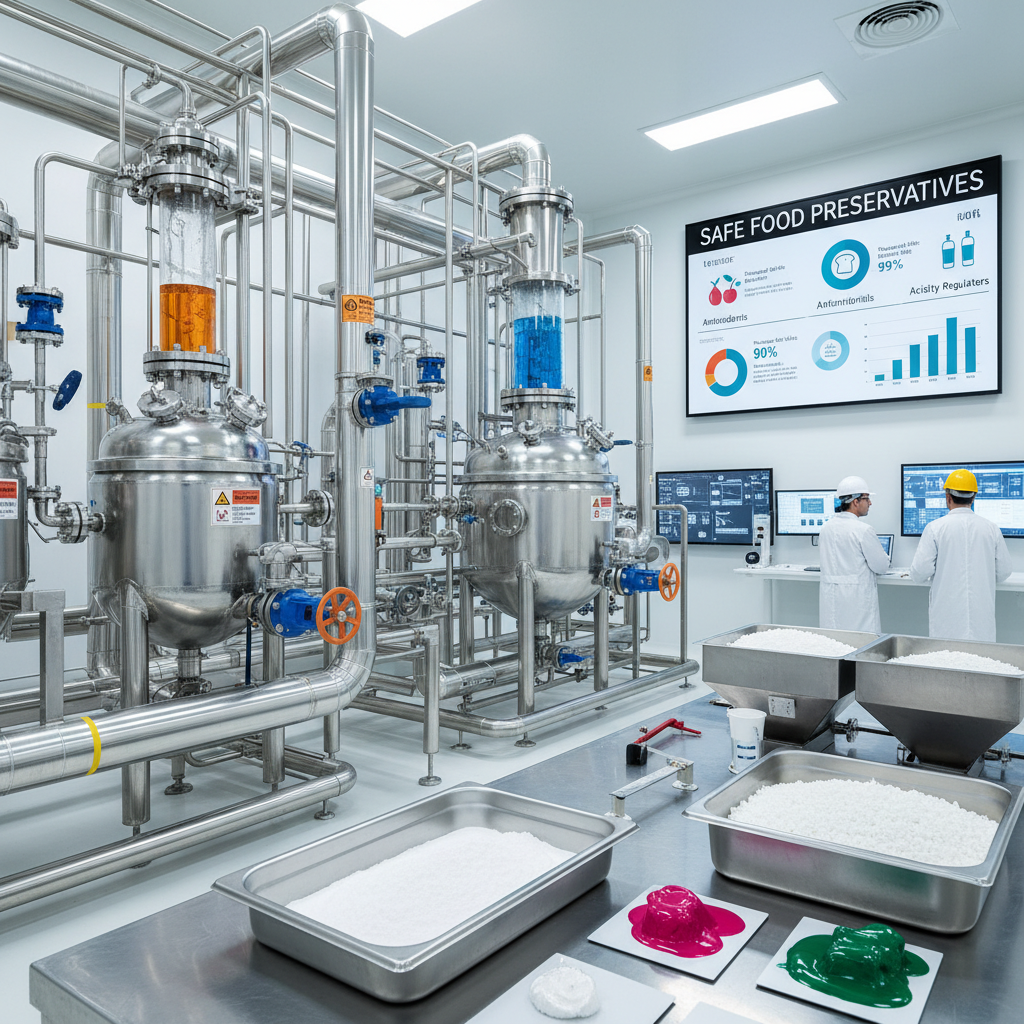
Conclusion: Ensuring Food Safety with Reliable Preservatives
Investing in food safety through the use of reliable, safe food preservatives is paramount for both manufacturers and consumers. Choosing the right preservative requires careful consideration of the food product, regulatory requirements, and desired shelf life. Tenger Chemical is dedicated to providing the highest quality preservatives and expert support to ensure the safety and quality of your food products.
Don't compromise on food safety – choose a trusted partner like Tenger Chemical.
Frequently Asked Questions (FAQs)
What are the potential health concerns associated with food preservatives?
While safe food preservatives are approved for use in food, some individuals may experience sensitivities or allergic reactions. For example, sulfites can trigger asthma symptoms in sensitive individuals, and certain benzoates have been linked to hyperactivity in some children. However, these reactions are relatively rare, and regulatory bodies carefully assess the safety of preservatives before approving them for use. It's important to read food labels and be aware of potential allergens. At Tenger Chemical, we prioritize offering preservatives with minimal potential for adverse effects, and we provide detailed safety data sheets for all our products.
How do natural preservatives compare to synthetic preservatives in terms of effectiveness?
Natural preservatives like salt, sugar, and vinegar have been used for centuries, but they often require higher concentrations to achieve the same level of preservation as synthetic options. Synthetic preservatives, such as sorbates and benzoates, are generally more effective at lower concentrations, which can minimize their impact on the taste and texture of the food. However, some consumers prefer natural preservatives due to perceptions of health or environmental benefits. The best choice depends on the specific food product and desired outcome.
What role does pH play in the effectiveness of food preservatives?
pH is a critical factor in determining the effectiveness of many safe food preservatives. For example, benzoates are more effective in acidic environments (low pH), while sorbates are more effective in slightly acidic to neutral environments. Understanding the pH of a food product is essential for selecting the appropriate preservative and ensuring optimal preservation. Some preservatives require specific pH levels to be effective, and adjusting the pH may be necessary to achieve the desired results.
Where can I find more information about food preservative regulations?
Food preservative regulations vary significantly by country. In the United States, the Food and Drug Administration (FDA) regulates food preservatives. You can find comprehensive information on their website: https://www.fda.gov/. Other countries have their own regulatory bodies, such as the European Food Safety Authority (EFSA) in Europe. Staying informed about the latest regulations is crucial for food manufacturers to ensure compliance and maintain consumer safety.
-
The Essential Guide to Sorbates as Food Preservatives for SafetyNewsApr.16,2026
-
The Ultimate Guide to Sorbate Preservative in Modern IndustryNewsApr.09,2026
-
Comprehensive Guide to Sodium Stearoyl Lactylate Emulsifier Applications and BenefitsNewsApr.07,2026
-
Comprehensive Guide to Sodium Cyclamate Sweetener Properties and ApplicationsNewsApr.04,2026
-
Comprehensive Guide to Sodium Citrate Food Additive and Its ApplicationsNewsMar.31,2026
-
Comprehensive Guide to Sodium Bicarbonate Food Additive Applications and BenefitsNewsMar.28,2026
-
Understanding Sodium Benzoate Preservative in Cosmetics and Its ApplicationsNewsMar.26,2026
Hebei Tenger Chemical Technology Co., Ltd. focuses on the chemical industry and is committed to the export service of chemical raw materials.
-
view more DiethanolisopropanolamineIn the ever-growing field of chemical solutions, diethanolisopropanolamine (DEIPA) stands out as a versatile and important compound. Due to its unique chemical structure and properties, DEIPA is of interest to various industries including construction, personal care, and agriculture. -
view more TriisopropanolamineTriisopropanolamine (TIPA) alkanol amine substance, is a kind of alcohol amine compound with amino and alcohol hydroxyl, and because of its molecules contains both amino and hydroxyl. -

view more Tetramethyl Thiuram DisulfideTetramethyl thiuram disulfide, also known as TMTD, is a white to light-yellow powder with a distinct sulfur-like odor. It is soluble in organic solvents such as benzene, acetone, and ethyl acetate, making it highly versatile for use in different formulations. TMTD is known for its excellent vulcanization acceleration properties, which makes it a key ingredient in the production of rubber products. Additionally, it acts as an effective fungicide and bactericide, making it valuable in agricultural applications. Its high purity and stability ensure consistent performance, making it a preferred choice for manufacturers across various industries.