





cooling water treatment chemicals
Cooling Water Treatment Chemicals Ensuring Efficiency and Longevity of Cooling Systems
Cooling systems are crucial in various industrial applications, including power generation, HVAC systems, and manufacturing processes. These systems often rely on cooling water to remove excess heat and maintain optimal operational efficiency. However, untreated or improperly treated cooling water can lead to a range of problems, including scale formation, corrosion, and biological growth, all of which can severely impact the efficiency and longevity of cooling systems. To combat these issues, a variety of cooling water treatment chemicals are employed.
The Importance of Water Treatment in Cooling Systems
Cooling water treatment is essential for maintaining the performance and reliability of cooling systems. The presence of impurities and contaminants in the water can lead to several problems. For instance, scale buildup—a hard, mineral-based deposit—can form on heat exchanger surfaces, reducing heat transfer efficiency and increasing energy consumption. Corrosion, caused by aggressive water chemistry, can lead to leaks, equipment failure, and costly downtime. Additionally, biological fouling, resulting from algae and bacteria growth, can further impede water flow and heat exchange processes.
To mitigate these issues, cooling water treatment chemicals play a key role. These chemicals are specifically formulated to condition water and enhance the performance of cooling systems, ensuring they operate efficiently and last longer.
Common Types of Cooling Water Treatment Chemicals
1. Scale Inhibitors These chemicals prevent the formation of scale by interfering with crystal growth in the water. Phosphonates and polyacrylic acids are commonly used scale inhibitors. They work by either binding to minerals and keeping them in solution or modifying the crystal structure to prevent attachment to surfaces. By using scale inhibitors, facilities can reduce maintenance costs and improve system efficiency.
2. Corrosion Inhibitors Corrosion is a significant concern for cooling systems, particularly those made from metal. Corrosion inhibitors like chromates, nitrites, and organic film-forming agents are used to create a protective layer on metal surfaces, preventing direct contact with corrosive agents in the water. By minimizing corrosion, these inhibitors enhance the lifespan of cooling equipment and reduce the likelihood of leaks and failures.
3. Biocides Biological growth can obstruct water flow and create other operational challenges. Biocides, such as chlorine, bromine, and isothiazolinones, are used to control microbial growth in cooling water. Implementing a regular biocide treatment program helps maintain water quality and system performance, reducing the risk of biological fouling.
4. pH Adjusters The pH level of cooling water significantly impacts its corrosiveness and scaling potential. pH adjusters, such as sodium hydroxide or sulfuric acid, are added to maintain an optimal pH range, typically between 6.5 and 8.5. Keeping the pH balanced is crucial for maximizing the effectiveness of other treatment chemicals while minimizing corrosion rates.
cooling water treatment chemicals
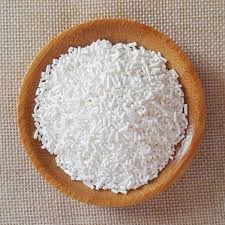
5. Dispersants Dispersants help keep suspended solids in the water from settling on surfaces or forming deposits. These chemicals work by reducing the surface tension of particles, allowing them to remain suspended in the water. This action prevents fouling and helps maintain heat transfer efficiency.
The Benefits of Using Cooling Water Treatment Chemicals
Implementing a comprehensive cooling water treatment program offers numerous advantages
- Improved Efficiency By reducing scale, corrosion, and biological fouling, treatment chemicals help maintain optimal heat transfer rates, enhancing overall system efficiency.
- Cost Savings Increased efficiency leads to lower energy costs, while reduced maintenance and repair requirements translate to significant savings over time.
- Extended Equipment Lifespan Regular treatment minimizes wear and tear on cooling system components, prolonging their operational lifespan.
- Regulatory Compliance Many industries are subject to environmental regulations concerning water treatment and discharge. Effective treatment programs help ensure compliance and reduce the risk of fines.
Conclusion
In summary, the treatment of cooling water with specialized chemicals is essential for the efficient operation and maintenance of cooling systems. By employing scale inhibitors, corrosion inhibitors, biocides, pH adjusters, and dispersants, industries can mitigate common problems associated with cooling water systems, thereby enhancing performance, reducing costs, and ensuring compliance with regulatory standards. As technology progresses and the importance of sustainable practices rises, the role of cooling water treatment chemicals will continue to evolve, helping industries operate more efficiently and responsibly.
-
Aspartame Buyer FAQ: Sweetness, Specifications and ApplicationsNewsNov.02,2026
-
Aluminum Hydroxide FAQ: Specifications, Ordering and Support QuestionsNewsOct.28,2026
-
Improve Crop Yield with Premium Calcium Boron FertilizerNewsJul.01,2026
-
Ultimate Guide to Cal Mag Fertilizer for Boosting Plant HealthNewsJun.29,2026
-
Maximize Crop Recovery Using High Performance Bounce Back FertilizerNewsJun.27,2026
-
Maximize Crop Yields and Soil Health with Biozyme FertilizerNewsJun.26,2026
-
Sustainable Agriculture Guide using bio organic fertilizerNewsJun.25,2026
Hebei Tenger Chemical Technology Co., Ltd. focuses on the chemical industry and is committed to the export service of chemical raw materials.
-

view more Tplyltriazole(TTA)Tplyltriazole is a powerful and versatile corrosion inhibitor,it is a white particle or powder that is easily hygroscopic and can be processed into large, small, columnar, fine, or powdered shapes.It is a highly effective solution for preventing rust and corrosion on a variety of metal surfaces, making it an ideal choice for a wide range of applications. -

view more Formic AcidFormic acid, is a colorless, pungent-smelling liquid.With its unique properties and diverse applications that serves a wide range of industrial and commercial applications. -

view more Aluminum HydroxideAluminum Hydroxide, a versatile and essential product for a wide range of applications.This product is a white, amorphous powder that is insoluble in water and has a variety of uses in industries such as pharmaceuticals, cosmetics, and manufacturing.