





Cost Analysis of Formic Acid Production and Market Trends
Understanding the Cost of Formic Acid
Formic acid, known chemically as methanoic acid, is one of the simplest carboxylic acids and plays a crucial role in various industrial applications. Its cost, influenced by a variety of factors, is significant for industries that rely on it as a raw material. In this article, we will explore the factors affecting the cost of formic acid and its implications for different sectors.
Production Process
The cost of formic acid primarily arises from its production methods. Traditionally, formic acid is derived from the oxidation of methanol or through the hydrolysis of sodium formate. Both processes require significant energy inputs and the raw materials themselves represent a substantial part of the overall cost. Depending on the technology and scale of production facilities, these costs can vary. For instance, larger scale operations often benefit from economies of scale, thereby reducing the cost per unit of formic acid produced.
Market Demand
Market demand plays a critical role in determining the cost of formic acid. Its applications range from agriculture, where it is used as a preservative and feed additive, to textiles, pharmaceuticals, and the leather industry. The fluctuating demand across these sectors can lead to price volatility. During periods of high demand, producers may raise prices, while in times of reduced consumption, prices may drop to stimulate sales. Understanding these dynamics is essential for businesses that utilize formic acid, as they must navigate market fluctuations in order to maintain profitability.
Raw Material Prices
cost of formic acid
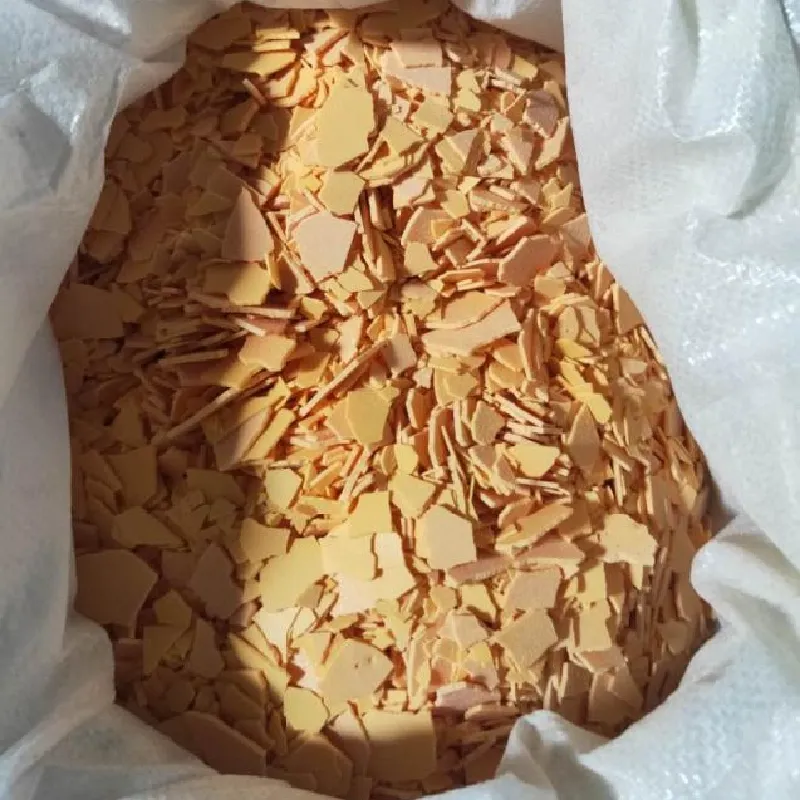
The prices of the raw materials used to produce formic acid also impact its cost. Methanol, a key precursor, is subject to price changes based on global crude oil prices and market supply-demand dynamics. When the cost of methanol increases, the production cost of formic acid tends to follow suit. Furthermore, geopolitical factors and natural disasters can disrupt supply chains, leading to further price increases.
Regulatory Influences
Government regulations regarding environmental protection and safety standards can also indirectly affect the cost of formic acid. Stricter regulations may necessitate investment in cleaner production technologies or compliance measures, driving up production costs. Additionally, tariffs and trade policies can influence import and export prices, further affecting the cost of formic acid in different regions.
Future Projections
As the demand for sustainable products rises, the future of formic acid appears promising. Its role as a potential hydrogen carrier in energy applications and its use in bioplastics and biofuels could stimulate growth in its production and consumption. However, the cost will continue to be influenced by production methods, raw material availability, and market trends. Innovative production technologies, such as biotechnological processes using renewable resources, may provide a pathway to reduce costs while meeting growing sustainability demands.
Conclusion
In summary, the cost of formic acid is contingent upon a myriad of factors, including production processes, market demand, raw material prices, and regulatory influences. Industries that depend on formic acid must remain vigilant, adapting to the fluctuating landscape of its costs to ensure competitiveness. With ongoing advancements and a potential shift towards greener alternatives, the future pricing and application of formic acid remain key considerations for manufacturers and consumers alike. Understanding these elements not only empowers businesses to strategize effectively but also highlights the interconnectedness of global markets in the chemical industry.
-
How to Choose Dimethyl Disulfide DMDS for Industrial UseNewsNov.09,2026
-
Aspartame Buyer FAQ: Sweetness, Specifications and ApplicationsNewsNov.02,2026
-
Aluminum Hydroxide FAQ: Specifications, Ordering and Support QuestionsNewsOct.28,2026
-
Improve Crop Yield with Premium Calcium Boron FertilizerNewsJul.01,2026
-
Ultimate Guide to Cal Mag Fertilizer for Boosting Plant HealthNewsJun.29,2026
-
Maximize Crop Recovery Using High Performance Bounce Back FertilizerNewsJun.27,2026
-
Maximize Crop Yields and Soil Health with Biozyme FertilizerNewsJun.26,2026
Hebei Tenger Chemical Technology Co., Ltd. focuses on the chemical industry and is committed to the export service of chemical raw materials.
-

view more Tplyltriazole(TTA)Tplyltriazole is a powerful and versatile corrosion inhibitor,it is a white particle or powder that is easily hygroscopic and can be processed into large, small, columnar, fine, or powdered shapes.It is a highly effective solution for preventing rust and corrosion on a variety of metal surfaces, making it an ideal choice for a wide range of applications. -

view more Formic AcidFormic acid, is a colorless, pungent-smelling liquid.With its unique properties and diverse applications that serves a wide range of industrial and commercial applications. -

view more Aluminum HydroxideAluminum Hydroxide, a versatile and essential product for a wide range of applications.This product is a white, amorphous powder that is insoluble in water and has a variety of uses in industries such as pharmaceuticals, cosmetics, and manufacturing.