





Cyanide Application in Gold Extraction Processes and Its Environmental Impacts
The Use of Cyanide in Gold Mining An Overview
Cyanide has long been a vital component in the extraction of gold from its ores, revolutionizing the mining industry since its introduction in the late 19th century. This chemical compound, particularly in the form of sodium cyanide, is renowned for its efficiency in separating gold from other materials. Despite its effectiveness, the use of cyanide in gold mining has raised significant environmental and health concerns, prompting ongoing debates about its sustainability and safety.
The Cyanidation Process
The cyanidation process involves several steps that are carefully designed to optimize gold recovery. Initially, gold ore is crushed and ground to liberate the gold particles. The finely ground ore is then mixed with a cyanide solution in large tanks, allowing the cyanide to bind with the gold ions and form a soluble complex known as a cyanide-gold complex. This solution is then processed to extract the gold, typically through techniques such as carbon adsorption, where activated carbon captures the gold-laden cyanide, or through electrolysis.
This method is particularly effective for low-grade ores, making it a preferred choice in modern mining operations. The high recovery rates and low processing costs associated with cyanide have contributed to its dominance in the gold extraction industry.
Environmental Concerns
Despite its advantages, cyanide use in gold mining poses serious environmental risks. One of the most alarming aspects is the potential for cyanide spills, which can occur during transportation, storage, or the mining process itself. Significant accidents, such as the 2000 Baia Mare cyanide spill in Romania, have resulted in the contamination of local waterways, leading to devastating impacts on aquatic ecosystems and the health of communities reliant on these water sources.
Additionally, the management of cyanide waste presents another challenge. After the gold is extracted, the leftover cyanide solution must be neutralized before disposal to prevent leaching into the environment. While methods for detoxifying cyanide have been developed, including the use of sulfur dioxide and hydrogen peroxide, the risks of improper handling still remain a concern.
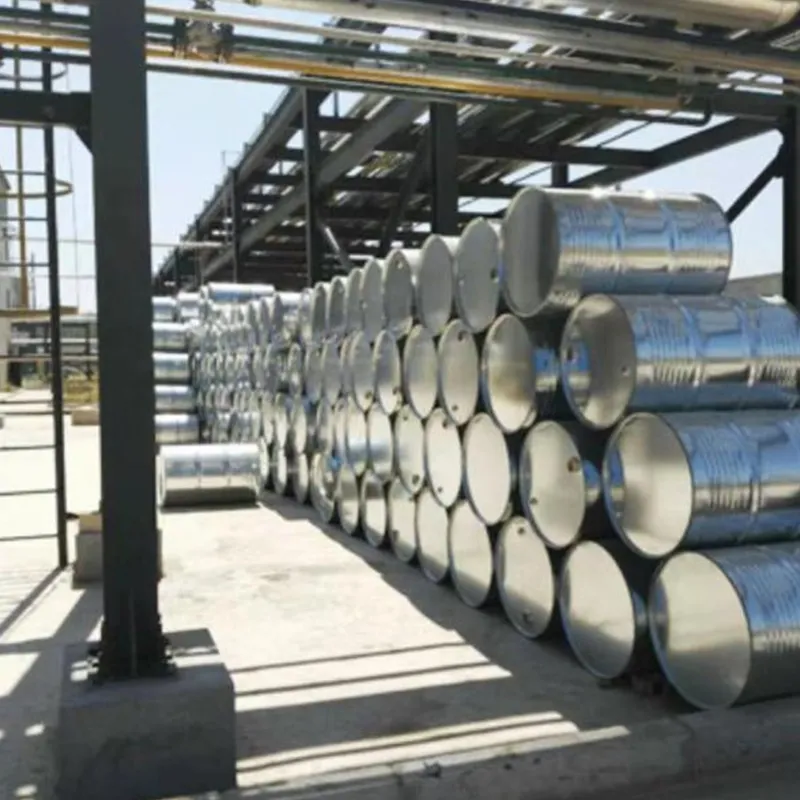
cyanide used in gold
Health Risks
Cyanide is not only toxic to the environment but also poses health risks to humans. Exposure to cyanide can result in acute reactions, which may include headaches, dizziness, and in severe cases, respiratory failure. Mining workers, as well as nearby community members, can be at risk if safety protocols are not strictly followed. The ongoing concern for public health has spurred demands for stricter regulations on cyanide use in gold mining operations.
Regulatory Framework and Alternatives
In response to the environmental and health challenges associated with cyanide, various countries have begun implementing stricter regulations on its use in mining. Some nations, like the Philippines and the Czech Republic, have outright bans on cyanide in mining operations. Others have introduced comprehensive regulatory frameworks that include environmental impact assessments, monitoring of cyanide use, and emergency response plans.
Moreover, there have been ongoing efforts to find alternative extraction methods that do not rely on cyanide. Innovations in the field, such as the use of thiosulfate, glycine, or even bioleaching with certain bacteria, are being explored as potential substitutes. While some of these alternatives show promise, many are still in the developmental stages and require further research to determine their effectiveness and practicality on a commercial scale.
Conclusion
The use of cyanide in gold mining is a double-edged sword. It has revolutionized the industry, providing an efficient method for extracting gold from ore. However, the environmental and health risks associated with its use cannot be overlooked. As the mining industry continues to evolve, it must balance economic interests with sustainable practices. Ongoing research into alternative extraction methods and stricter regulatory measures will be essential in ensuring that gold mining does not come at the expense of our health and the environment. The future of gold mining will likely depend on finding this balance, promoting safety, and seeking innovative solutions that minimize our ecological footprint.
-
Aspartame Buyer FAQ: Sweetness, Specifications and ApplicationsNewsNov.02,2026
-
Aluminum Hydroxide FAQ: Specifications, Ordering and Support QuestionsNewsOct.28,2026
-
Improve Crop Yield with Premium Calcium Boron FertilizerNewsJul.01,2026
-
Ultimate Guide to Cal Mag Fertilizer for Boosting Plant HealthNewsJun.29,2026
-
Maximize Crop Recovery Using High Performance Bounce Back FertilizerNewsJun.27,2026
-
Maximize Crop Yields and Soil Health with Biozyme FertilizerNewsJun.26,2026
-
Sustainable Agriculture Guide using bio organic fertilizerNewsJun.25,2026
Hebei Tenger Chemical Technology Co., Ltd. focuses on the chemical industry and is committed to the export service of chemical raw materials.
-

view more Tplyltriazole(TTA)Tplyltriazole is a powerful and versatile corrosion inhibitor,it is a white particle or powder that is easily hygroscopic and can be processed into large, small, columnar, fine, or powdered shapes.It is a highly effective solution for preventing rust and corrosion on a variety of metal surfaces, making it an ideal choice for a wide range of applications. -

view more Formic AcidFormic acid, is a colorless, pungent-smelling liquid.With its unique properties and diverse applications that serves a wide range of industrial and commercial applications. -

view more Aluminum HydroxideAluminum Hydroxide, a versatile and essential product for a wide range of applications.This product is a white, amorphous powder that is insoluble in water and has a variety of uses in industries such as pharmaceuticals, cosmetics, and manufacturing.