





Understanding the Benefits and Uses of Diammonium Phosphate Fertilizer in Agriculture
The Importance of Diammonium Phosphate Fertilizer in Modern Agriculture
Diammonium phosphate (DAP) is one of the most widely used fertilizers in the world due to its dual role as a source of both nitrogen and phosphorus, two essential nutrients for plant growth
. As the global demand for food continues to rise alongside an ever-increasing population, the relevance of DAP in modern agriculture cannot be overstated.DAP is a compound fertilizer that consists of diammonium ions and phosphate ions. This unique composition not only promotes healthy plant growth but also enhances soil fertility. Nitrogen, part of its molecular structure, is crucial for the synthesis of amino acids, which are the building blocks of proteins. Plants need nitrogen for vegetative growth, promoting lush green leaves and robust stems. Phosphorus, on the other hand, plays a vital role in energy transfer within the plant, particularly in photosynthesis and respiration. It is also integral to the formation of DNA, RNA, and ATP, which are essential for plant reproduction and overall health.
One of the key benefits of DAP is its high nutrient concentration. Typically containing about 18% nitrogen and 46% phosphorus pentoxide (P2O5), DAP provides a quick and efficient nutrient boost for crops. This high nutrient density makes it an appealing choice for farmers looking to enhance yields on limited arable land. The application of DAP can lead to remarkable improvements in both crop quality and quantity, making it a staple in the agricultural sector.
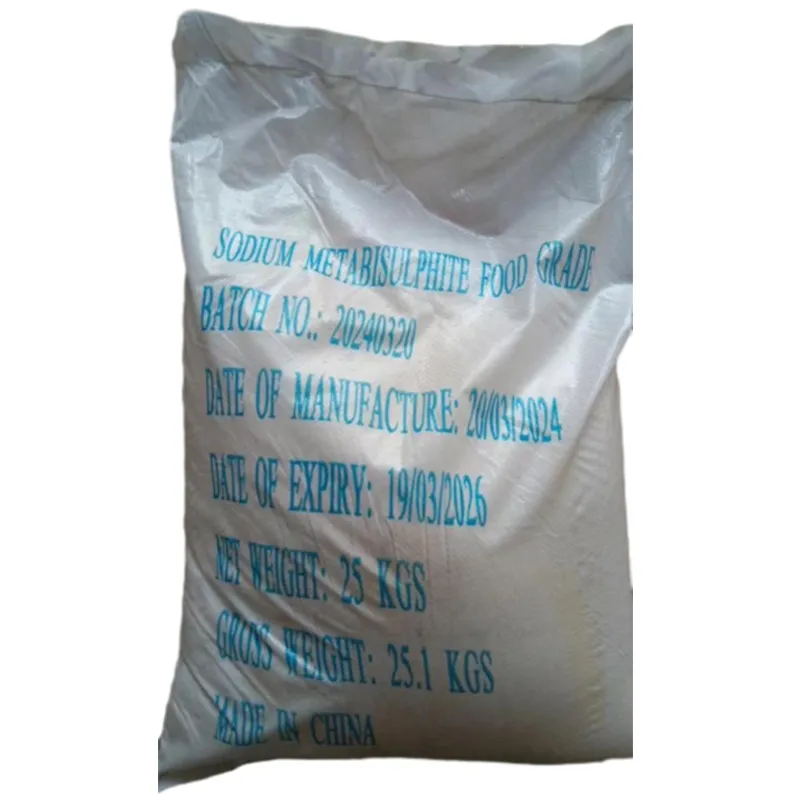
diammonium phosphate fertilizer
In addition to its nutritional benefits, DAP also enhances soil structure and pH levels. The application of this type of fertilizer can improve the overall health of the soil, leading to better water retention and aeration. This is particularly important in regions where soils are poor or depleted. By fostering a healthy microbial environment in the soil, DAP contributes to sustainable agricultural practices by promoting the growth of beneficial microorganisms that enhance nutrient availability and reduce dependency on chemical inputs.
However, the usage of DAP is not without challenges. While it provides essential nutrients, overuse can lead to environmental issues such as runoff and soil acidification. Excess nitrogen can leach into waterways, causing eutrophication, a process that depletes oxygen levels in water bodies and harms aquatic life. Therefore, it is paramount for farmers to apply DAP judiciously and consider using it in conjunction with other agricultural practices like crop rotation, cover cropping, and soil testing to mitigate potential negative effects.
Moreover, the global sustainability agenda is pushing for cleaner and greener farming practices. Farmers are becoming increasingly aware of the need to balance productivity with environmental responsibility. Innovations in precision agriculture, such as nutrient management technologies, can help minimize the ecological footprint of fertilizers like DAP by allowing for accurate application rates tailored to specific crop needs and variable soil conditions.
In conclusion, diammonium phosphate fertilizer plays a pivotal role in modern agriculture, providing essential nutrients that drive plant growth and improve soil health. Its benefits in enhancing crop yields and soil quality are critical in the face of global food security challenges. Nevertheless, it is equally important for farmers to adopt sustainable practices to prevent environmental degradation. Through responsible use and the integration of advanced agricultural techniques, DAP can continue to be an invaluable resource in achieving both agricultural productivity and sustainability. As we advance towards a more sustainable future, balancing the benefits of such fertilizers with environmental considerations will be essential in maintaining the health of our ecosystems and ensuring food security for generations to come.
-
Aspartame Buyer FAQ: Sweetness, Specifications and ApplicationsNewsNov.02,2026
-
Aluminum Hydroxide FAQ: Specifications, Ordering and Support QuestionsNewsOct.28,2026
-
Improve Crop Yield with Premium Calcium Boron FertilizerNewsJul.01,2026
-
Ultimate Guide to Cal Mag Fertilizer for Boosting Plant HealthNewsJun.29,2026
-
Maximize Crop Recovery Using High Performance Bounce Back FertilizerNewsJun.27,2026
-
Maximize Crop Yields and Soil Health with Biozyme FertilizerNewsJun.26,2026
-
Sustainable Agriculture Guide using bio organic fertilizerNewsJun.25,2026
Hebei Tenger Chemical Technology Co., Ltd. focuses on the chemical industry and is committed to the export service of chemical raw materials.
-

view more Tplyltriazole(TTA)Tplyltriazole is a powerful and versatile corrosion inhibitor,it is a white particle or powder that is easily hygroscopic and can be processed into large, small, columnar, fine, or powdered shapes.It is a highly effective solution for preventing rust and corrosion on a variety of metal surfaces, making it an ideal choice for a wide range of applications. -

view more Formic AcidFormic acid, is a colorless, pungent-smelling liquid.With its unique properties and diverse applications that serves a wide range of industrial and commercial applications. -

view more Aluminum HydroxideAluminum Hydroxide, a versatile and essential product for a wide range of applications.This product is a white, amorphous powder that is insoluble in water and has a variety of uses in industries such as pharmaceuticals, cosmetics, and manufacturing.