





dichloroisocyanurate de sodium
Sodium Dichloroisocyanurate An Overview
Sodium dichloroisocyanurate (NaDCC) is an organic compound widely recognized for its effectiveness as a disinfectant and bleaching agent. It has gained significant attention in both domestic and industrial settings due to its versatility and biocidal properties. This article delves into the structure, applications, benefits, safety considerations, and environmental impact of sodium dichloroisocyanurate.
Chemical Structure and Properties
Sodium dichloroisocyanurate belongs to the class of chlorinated isocyanurates. Its chemical formula is C3Cl2N3NaO3, and it typically appears as a white crystalline powder or granules. The compound is highly soluble in water, releasing chlorine when it dissolves, which is responsible for its disinfecting properties. The chlorine release mechanism makes NaDCC an effective agent against a wide range of pathogens, including bacteria, viruses, and fungi.
Applications
One of the primary uses of sodium dichloroisocyanurate is in water treatment. It is widely employed for sanitizing swimming pools, spa waters, and drinking water supplies, ensuring the elimination of harmful microorganisms. Its ability to provide residual disinfecting action makes it particularly advantageous in these applications.
In agricultural settings, NaDCC is also utilized to disinfect equipment and surfaces. The compound can help in controlling plant diseases and as a treatment for post-harvest food preservation. It finds applications in the food industry as well, where it is used for sanitizing processing surfaces, utensils, and equipment to ensure food safety.
Additionally, sodium dichloroisocyanurate has seen increased use in personal hygiene products, such as disinfectant wipes and sprays, particularly during health crises where viral infections are rampant. Its ability to cover a wide range of surfaces effectively, alongside providing lasting residual efficacy, makes it a preferred choice in many institutional cleaning applications, including schools, hospitals, and public facilities.
Advantages
dichloroisocyanurate de sodium
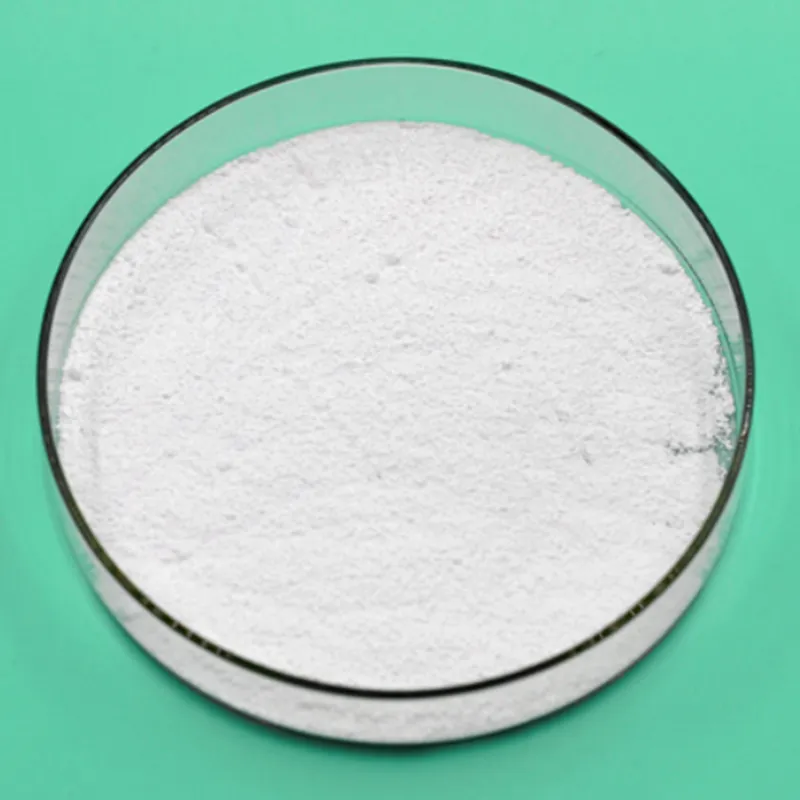
Sodium dichloroisocyanurate offers several advantages over other disinfectants. One of its most notable benefits is its stability, especially when compared to chlorine gas and other chlorine-based compounds prone to degradation. NaDCC can be stored for extended periods without significant loss of efficacy, allowing for convenient use in emergency situations.
Moreover, it is less corrosive than traditional chlorine, making it safer for various surfaces, including metals that might be damaged by higher concentrations of hydrochloric acid or other strong disinfectants. The ease of application—often available in tablet or granule form—also contributes to its widespread popularity among users.
Safety Considerations
While sodium dichloroisocyanurate is generally recognized as safe when used according to guidelines, it is crucial to handle it with care. Exposure to large amounts can lead to skin and respiratory irritation, and ingestion can cause serious health issues. Users should always wear protective gear, such as gloves and masks, when handling the compound and follow the manufacturer's instructions for dilution and application.
Proper storage is also essential to avoid the risk of accidental release of chlorine gas, which can be toxic in high concentrations. Like with all chemicals, keeping sodium dichloroisocyanurate out of reach of children and pets is vital for safety.
Environmental Impact
In terms of environmental considerations, sodium dichloroisocyanurate is often seen as a more environmentally friendly option compared to other chlorination processes. Once its chlorinated molecules are broken down, the residual impact tends to be less harmful to aquatic life than that of other chlorine-based compounds. However, like any chemical, careful management is necessary to prevent any adverse effects on ecosystems, primarily when used in large quantities.
Conclusion
Sodium dichloroisocyanurate is a potent disinfectant with a wide range of applications, from public health to personal hygiene. Its stability, effectiveness, and comparatively lower corrosiveness make it a preferred choice among various industries. However, appropriate safety measures must be adhered to during its use to mitigate health risks. As society seeks robust solutions for sanitation in increasingly complex environments, NaDCC stands out as a valuable ally in ensuring safety and health across multiple domains.
-
Aspartame Buyer FAQ: Sweetness, Specifications and ApplicationsNewsNov.02,2026
-
Aluminum Hydroxide FAQ: Specifications, Ordering and Support QuestionsNewsOct.28,2026
-
Improve Crop Yield with Premium Calcium Boron FertilizerNewsJul.01,2026
-
Ultimate Guide to Cal Mag Fertilizer for Boosting Plant HealthNewsJun.29,2026
-
Maximize Crop Recovery Using High Performance Bounce Back FertilizerNewsJun.27,2026
-
Maximize Crop Yields and Soil Health with Biozyme FertilizerNewsJun.26,2026
-
Sustainable Agriculture Guide using bio organic fertilizerNewsJun.25,2026
Hebei Tenger Chemical Technology Co., Ltd. focuses on the chemical industry and is committed to the export service of chemical raw materials.
-

view more Tplyltriazole(TTA)Tplyltriazole is a powerful and versatile corrosion inhibitor,it is a white particle or powder that is easily hygroscopic and can be processed into large, small, columnar, fine, or powdered shapes.It is a highly effective solution for preventing rust and corrosion on a variety of metal surfaces, making it an ideal choice for a wide range of applications. -

view more Formic AcidFormic acid, is a colorless, pungent-smelling liquid.With its unique properties and diverse applications that serves a wide range of industrial and commercial applications. -

view more Aluminum HydroxideAluminum Hydroxide, a versatile and essential product for a wide range of applications.This product is a white, amorphous powder that is insoluble in water and has a variety of uses in industries such as pharmaceuticals, cosmetics, and manufacturing.